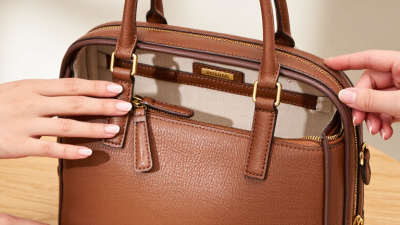
| Hide layer and surface |
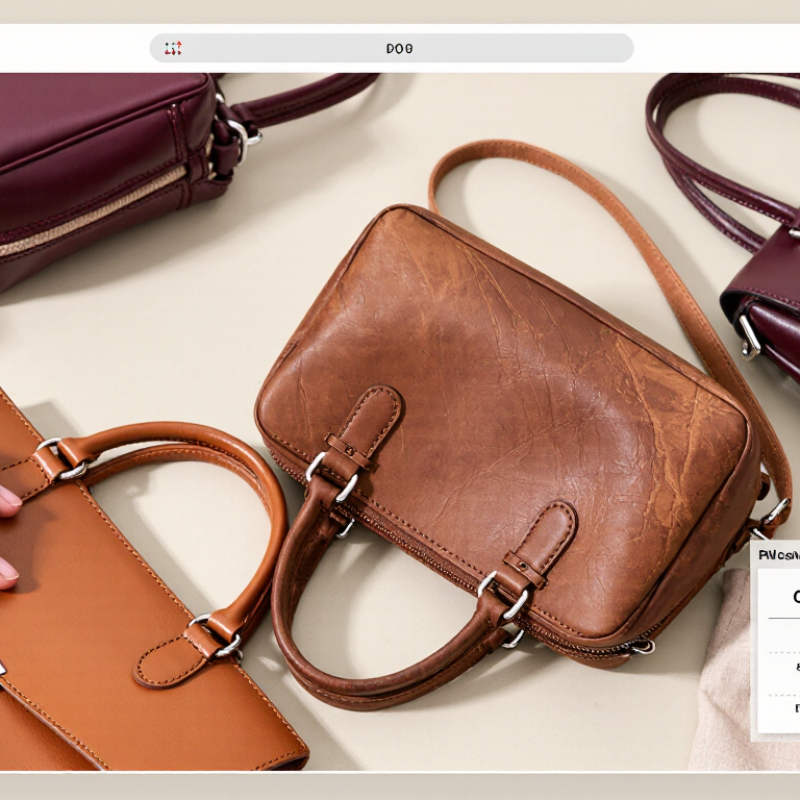
Made from the outer grain layer, with the natural surface generally left intact. |
Usually made from the grain layer whose surface has been sanded or buffed to reduce visible marks; an embossed pattern or surface coating may be applied. |
Made from the lower layers of a hide after the grain layer is separated. It may be left suede-like or finished with a coating or embossed surface. |
| Typical appearance |
Natural markings and grain variation are often visible, so pieces may not look identical. |
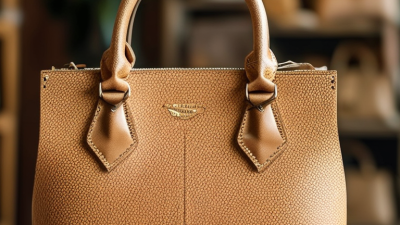
Often has a more uniform color and pattern. The surface can resemble natural grain when embossed. |
Uncoated split often has a nap or suede-like feel. A coated split can look smooth or grain-patterned. |
| Wear and aging |
Often chosen for its natural character and ability to develop a patina. Actual wear depends on hide quality, thickness, construction, and care. |
Wear depends substantially on the finish. Surface coatings can scuff or wear through with use, and the underlying leather may then become visible. |
Performance varies widely by thickness and finish. A coated surface may show damage differently from uncoated suede-like split. |
| Feel and structure |
Can feel firm or supple depending on tanning, thickness, and finishing; the natural surface is not necessarily smooth. |
Often feels smooth and consistent, though coatings can make it feel less natural or more uniform. |
Uncoated split commonly feels fuzzy or napped. Coatings can create a smoother feel and a more structured appearance. |
| Care considerations |
Keep away from prolonged moisture and heat; use leather-care products suited to the specific finish. |
Follow the maker’s care instructions. Abrasive cleaners or conditioners may affect the coating or embossed finish. |
Suede-like split may need a suede brush and protection designed for suede. For coated split, follow care guidance for the finish. |
| Common price tendency |
Often priced higher, but price alone does not confirm grade or quality. |
Frequently positioned at a more accessible price than comparable full-grain leather, though quality and price vary. |
Often used in more budget-conscious products, but construction, finish, and material quality can change the price. |
| Best suited to |
Shoppers who value natural surface character and are comfortable with visible variation. |
Shoppers who prefer a consistent look and want a surface that is easier to match across a bag. |
Shoppers who like a suede-like texture or a particular coated appearance and have checked the finish and care needs. |
| What to check in a purse |
Look for natural variation, even stitching, reinforced handles, and clear material details for the body, trim, and lining. |
Inspect edges and high-contact areas for lifting, cracking, or uneven coating; ask whether the surface is embossed or coated. |
Confirm whether it is uncoated suede-like split or coated split. Check high-wear corners and edges, and ask which parts of the purse use split leather. |
| Important limitation |
“Full-grain” describes the surface layer, not a guarantee of flawless quality or superior construction. |
“Corrected-grain” describes surface treatment; it does not by itself specify the coating type or how long the finish will last. |
“Split” identifies a hide layer, not one specific appearance or performance level. Finishing and construction matter. |