China Best Genuine Leather Ladies Bag for Global Buyers?
The global demand for fashion accessories has seen a significant surge. In 2022, the global handbag market was valued at approximately $60 billion, showcasing a growing appetite for luxury products. Among these, the “Genuine Leather Ladies Bag” stands out for its elegance and quality. Consumers increasingly seek authentic craftsmanship, making genuine leather a preferred material.
Chinese manufacturers have become pivotal in this industry. They combine traditional techniques with modern designs, ensuring that their products meet global standards. A recent report indicates that about 35% of leather bags sold worldwide are sourced from China. This underlines the country's expertise in producing high-quality, fashionable items. However, challenges exist within this market, such as oversaturation and varying quality levels. Buyers must navigate these issues to find reliable suppliers.
As the market evolves, understanding consumer preferences is key. Eco-friendly options are rising, with 42% of shoppers expressing a desire for sustainable materials. Therefore, the genuine leather ladies bag is no longer just a style statement; it reflects changing values in the fashion industry. Being aware of these trends can empower buyers, but a discerning eye is essential to avoid pitfalls in quality and authenticity.

China's Leather Industry Overview and Market Potential for Ladies Bags
China's leather industry has seen tremendous growth in recent years. In 2022, the global leather goods market was valued at approximately $400 billion, with ladies' bags making up a significant portion. China's low manufacturing costs combined with skilled labor contribute to this sector's burgeoning appeal. Analysts forecast a compound annual growth rate (CAGR) of 5% for leather products over the next five years.
The market potential for ladies' bags is particularly noteworthy. Women across various income levels are increasingly purchasing leather bags. Reports indicate that around 45% of consumers prioritize quality when selecting a bag. This demand emphasizes the need for genuine leather products that stand out. However, there are challenges, including concerns about sustainability and ethical sourcing, which buyers must consider.
While the Chinese market offers significant opportunities, there is room for improvement. Many manufacturers still struggle with quality consistency. Reports show that approximately 30% of products fail to meet international standards. Such quality issues can tarnish reputations and reduce buyer trust. Addressing these shortcomings will be crucial for brands aiming to compete globally.
Factors Influencing Demand for Genuine Leather Ladies Bags in Global Markets
When considering the demand for genuine leather ladies bags in global markets, several factors come into play. Quality stands out as a primary consideration. Shoppers want durability, style, and functionality. Genuine leather offers a unique combination of luxury and practicality. Its natural textures and rich colors appeal to buyers seeking distinctiveness.
Consumer preferences vary widely across regions. In some markets, ethical sourcing plays a crucial role. Buyers increasingly favor brands that prioritize sustainability and responsible manufacturing. This trend encourages companies to enhance their transparency. Buyers appreciate knowing where their products come from and how they are made.
Tips: Focus on sustainability. Engage with suppliers who follow ethical practices. Another tip is to stay updated. Trends change rapidly in fashion. Lastly, consider the local market. Understanding cultural nuances can enhance appeal. Genuine leather bags can integrate local designs to attract diverse buyers. Remember, staying adaptable is key.
Comparative Analysis of Chinese Leather Quality vs. Global Competitors
When it comes to leather quality, China's offerings stand out in various ways. Many manufacturers use traditional tanning methods, which can enhance the leather's texture and durability. Skilled artisans often handcraft bags, giving each piece a unique character. However, inconsistency can be an issue. Not every producer maintains the same quality standards. Some mass-produced items may not meet the expectations of discerning customers.
In contrast, global competitors often rely on advanced technology to ensure uniformity. Brands from Italy or Spain, for instance, are known for their luxurious finishes and meticulous craftsmanship. Their products are often made from high-grade raw materials. This results in a polished and refined appearance. Yet, such quality comes at a price, making these options less accessible to some buyers.
Chinese leather manufacturers are increasingly adopting better practices to compete globally. This includes sourcing premium materials and improving production techniques. The challenge for China is to maintain affordability while elevating quality. As the leather market evolves, consumers must evaluate what fits their lifestyle best. Balancing quality, price, and craftsmanship is essential in making an informed choice.
Key Trends in Consumer Preferences for Ladies Bags in the Leather Sector
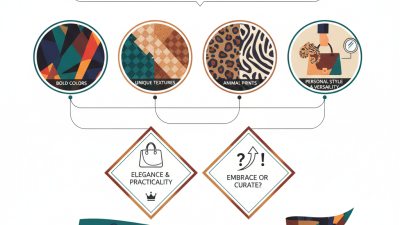
In recent years, consumer preferences for ladies' bags in the leather sector have seen notable shifts. Buyers are increasingly seeking bags that embody both style and functionality. Elegant designs are a must, but practicality plays a crucial role in decision-making. There is a rising trend towards multifunctional bags that can transition easily from day to night. Luxury is still valued, but sustainability is gaining ground. More consumers now look for eco-friendly leather options.
Color choices also show evolving trends. Classic colors remain popular, but vibrant hues are making a comeback. This reflects a desire for individuality and self-expression. Textured finishes are in demand, as they add a unique touch to a straightforward design. However, many bags on the market fall short in balancing aesthetic appeal with actual usability. Consumers often face a dilemma: a beautiful bag may lack necessary features.
The importance of brand transparency has increased. Many buyers want to know the sourcing and manufacturing processes. However, some brands struggle to communicate this effectively. Trust is key, and brands need to work hard to establish reliability in their messages. Overall, the landscape of ladies' bags is evolving, influenced by values that go beyond mere fashion. Consumers are redefining their choices with a focus on sustainability, usability, and authenticity.
Sustainability Practices in China's Leather Manufacturing for Export Markets
China's leather manufacturing sector is increasingly focusing on sustainability. According to the China Leather Industry Association, about 60% of leather makers are adopting eco-friendly practices. These include the use of water-based adhesives and natural tanning processes. Such measures help reduce pollution and conserve resources.
Despite these advancements, challenges remain. Many factories still rely on outdated techniques, which can harm the environment. A 2022 report revealed that 30% of small manufacturers lack proper waste management systems. This gap underscores the need for stricter regulations and better training to ensure sustainable practices are implemented at all levels.
Transparency in sourcing is crucial for global buyers. Reports suggest that consumers increasingly prefer brands that demonstrate ethical production methods. This trend may push more Chinese manufacturers to innovate. It's a work in progress, but ongoing efforts indicate a positive shift towards responsible leather production. However, continuous reflection on practices is essential to achieve long-term sustainability goals.
China Best Genuine Leather Ladies Bag for Global Buyers? - Sustainability Practices in China's Leather Manufacturing for Export Markets
| Category |
Sustainability Practice |
Environmental Impact |
Certification |
| Leather Sourcing |
Locally sourced hides |
Reduced carbon footprint |
ISO 14001 |
| Tanning Process |
Vegetable tanning |
Non-toxic waste products |
LWG Certified |
| Production Techniques |
Handcrafted techniques |
Minimal machine waste |
Fair Trade Certified |
| Packaging |
Recyclable materials |
Less environmental impact |
Eco-Friendly Certification |