CONTACT US NOW
Get A Free Inquiry Now

How to Choose a Genuine Leather Hand Purse in 2026?

Choosing a Genuine Leather Hand Purse in 2026 requires more than admiring its color and silhouette. Buyers now examine material quality, construction, traceability, and long-term value. This guide introduces practical ways to assess each detail before purchasing.

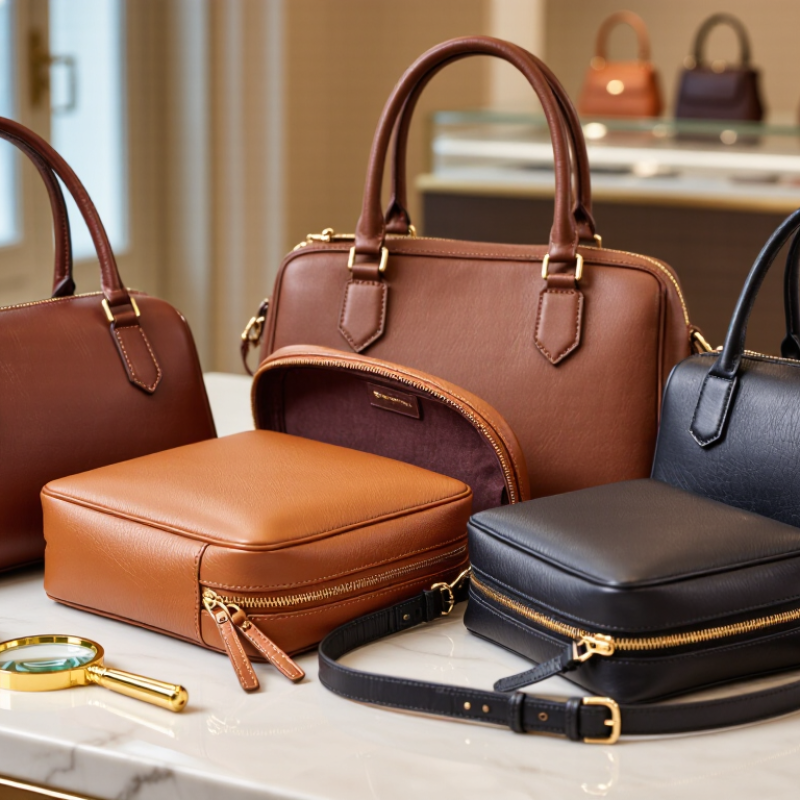
A reliable inspection begins with the leather’s surface. Genuine leather should feel warm, flexible, and slightly varied, rather than perfectly uniform. Natural grain may show tiny wrinkles, pores, or subtle differences in tone. These marks are normal. They are not defects. However, strong chemical odors, peeling coatings, or plastic-like stiffness deserve caution. Check the edges, too. Carefully finished edges usually indicate better workmanship.

Look inside the purse. Examine the lining, pocket seams, zipper movement, handle attachment, and base structure. Pull the handles gently. They should feel secure without stretching excessively. Experienced leather workers often judge durability through stitching consistency and reinforcement points. Still, visual inspection has limits. A beautiful purse can hide weak hardware or poor finishing. I have learned that assumptions based on brand reputation can be misleading. Ask about leather origin, production methods, care instructions, and repair support. Clear answers increase confidence.

This article will help you compare genuine leather types, recognize misleading descriptions, and balance craftsmanship with your budget. It will also consider responsible purchasing, practical maintenance, and evolving consumer expectations in 2026. The best choice is not always the most expensive one. It is the purse that feels authentic, functions comfortably, and remains dependable after regular use.

How to Choose a Genuine Leather Hand Purse in 2026?

What Defines Genuine Leather in a Hand Purse?

When a hand purse is labeled genuine leather, the phrase usually means real animal hide, not synthetic material. It does not automatically mean full-grain leather or superior craftsmanship. Leather quality depends on the hide’s fiber structure, surface treatment, and construction. A well-made purse should feel flexible, not strangely plastic or paper-thin. Look closely at the grain. Natural pores vary slightly. Perfectly repeated patterns may indicate an artificial embossed finish.

I assess a purse by handling its edges, seams, and lining. Cut edges often reveal layers, while painted edges can hide them. The surface should bend without sharp cracking or excessive stickiness. A mild leather scent may support the claim, but smell alone proves nothing. Some finishes mask it completely. Ask for material details, care instructions, and a clear return policy. Reliable sellers answer directly instead of using vague words such as “premium” or “luxury.”

The term can be confusing, even for careful shoppers. I once trusted a rich texture and later noticed weak edge paint and uneven stitching. That mistake changed my inspection habits. Check handle attachments, zipper tension, corner reinforcement, and hardware connections. A heavy purse is not necessarily durable. A light purse is not necessarily cheap. Look for consistent stitching and secure joins. Consider whether the finish suits daily use, because glossy coatings can scratch visibly. Documentation matters more than dramatic wording. If the seller cannot identify the leather type, ask, “What part is leather?”

How to Choose a Genuine Leather Hand Purse in 2026? - What Defines Genuine Leather in a Hand Purse?

Genuine Leather Hand Purse Evaluation Guide
Evaluation Dimension Full-Grain Leather Top-Grain Leather Split Leather Bonded Leather
Definition The outermost hide layer with the natural grain substantially preserved. The outer hide layer that has usually been lightly sanded or corrected to remove surface imperfections. The lower layer separated from the dense outer grain layer. Leather fibers or scraps combined with a binder and formed into a sheet; labeling rules may differ by market.
Natural Grain Visibility Usually visible, with irregular pores, fine wrinkles, and natural variation. May show a more uniform surface because minor flaws have been corrected. Natural grain is generally absent from the visible surface unless an additional finish is applied. Usually covered by a synthetic coating or embossed pattern.
Typical Durability High when properly tanned, constructed, and maintained; the surface can develop patina. Generally high and often more uniform than full-grain leather. Generally lower than outer-grain leather and more dependent on coating and thickness. Usually lower resistance to flexing, abrasion, moisture, and peeling than intact hide leather.
Surface Feel Often supple, dense, and naturally textured, although feel varies by tanning method. Often smooth and consistent, with a balance of flexibility and firmness. May feel softer or less dense; the finish can make it feel smooth or heavily coated. Often feels more uniform or plastic-like, but feel alone is not a conclusive test.
Aging Behavior Can darken or develop a visible patina with use, light exposure, and conditioning. May age well, although heavy surface coatings can limit patina development. May show wear, scuffing, or finish loss sooner, particularly at bends and edges. May crack, flake, or peel when the coating and binder deteriorate.
Best Physical Checks Inspect for varied pores, natural scars, consistent thickness, and a clean cut edge. Check for a uniform finish, flexible structure, and a leather description that identifies the hide layer. Inspect the cut edge and reverse side for a fibrous suede-like structure. Look for a printed or coated surface, visible film at worn edges, or wording that identifies reconstituted material.
Label Information to Request Ask whether the exterior is full-grain leather and whether any panels use different materials. Ask whether the exterior is top-grain leather and whether it has a corrected or pigmented finish. Ask whether split leather is used for the exterior, trim, lining, or only decorative panels. Ask for the exact material composition and the percentage of leather fibers, if disclosed.
Water and Heat Precautions Avoid soaking and direct heat; blot moisture promptly and allow natural air drying. Use the same precautions; surface coatings do not make the purse waterproof. Treat cautiously because moisture can affect the fibers and finish. Keep away from moisture and heat because the bonded surface may deteriorate or peel.
Care Approach Dust with a soft cloth and use a compatible leather conditioner sparingly after a patch test. Clean gently and follow the finish-specific care instructions; excessive conditioner may dull coated surfaces. Use products specifically suitable for split or suede-like surfaces and avoid over-wetting. Avoid aggressive rubbing, solvents, and conditioners unless the care instructions specifically permit them.
Construction Quality Checks Look for even stitching, reinforced handles, secure edge finishing, and strong hardware attachment. Check panel alignment, stitch density, edge paint, lining attachment, and handle reinforcement. Pay particular attention to edge durability, seam stress, lining support, and high-wear areas. Inspect all bends and edges for early cracking, bubbling, flaking, or separation.
Buyer’s Practical Conclusion A strong choice for buyers who value natural texture, long-term aging, and repairability. A practical choice for a consistent appearance, dependable durability, and easier surface uniformity. Consider it when the product description is transparent and the price reflects the material level. Do not treat the term “leather” alone as proof of premium hide quality; verify composition and finish.
Important buying note: “Genuine leather” can be a broad commercial or legal labeling term, and its exact meaning varies by jurisdiction. For a reliable purchase, verify the material composition, hide layer, surface finish, country-specific labeling information, and the construction quality of the complete purse. The smell, softness, or heat and water tests alone cannot conclusively prove leather authenticity.

How to Check Leather Quality, Texture, and Natural Markings

When choosing a genuine leather hand purse in 2026, inspect the material instead of trusting labels alone. Genuine leather can vary widely in quality. Examine the surface under clear, natural light. Fine pores and slight changes in color often suggest real animal hide. Large, identical patterns may indicate heavy embossing or synthetic material. However, natural markings do not guarantee strength.

Press the leather gently with your thumb. Better leather usually feels flexible and develops small wrinkles without cracking. Run your fingertips across the surface. It should feel warm, supple, and slightly irregular, not perfectly smooth like plastic. Check the edges carefully. Cleanly finished edges show better construction, while loose fibers may signal weak processing. Look at the stitching too. Even spacing matters.

I once rejected a purse because of a small scar near the handle. Later, I learned that such a mark can reflect natural hide rather than poor quality. That experience taught me not to confuse perfection with authenticity. Smell can offer a clue, but it is not proof. Strong chemical odors deserve caution. Ask for clear material details and care instructions. A reliable seller should answer specific questions without exaggeration. If the texture, markings, and construction seem inconsistent, pause before buying. Trust evidence, but keep questioning your first impression.

How to Choose a Genuine Leather Hand Purse in 2026?

How to Check Leather Quality, Texture, and Natural Markings

This practical inspection chart uses a five-point evidence scale for the main features shoppers can check without laboratory equipment. Visible grain, fibrous cut edges, natural variation, and a soft aging response are positive signs, while a perfectly uniform plastic-like surface may indicate a heavy coating or synthetic material. These points are a buying checklist, not a replacement for laboratory leather testing.

Which Purse Construction Details Indicate Long-Term Durability?

When choosing a genuine leather hand purse in 2026, inspect construction before admiring color. Durable leather usually shows consistent grain, supple movement, and a clean natural scent. Smell alone proves little. Coatings can imitate it. Press the material near a corner. Good leather bends without cracking, while weak finishing may feel oddly plastic.

Study the seams closely. Even stitches should sit tightly along the edges without loose threads. Stitch density varies by design, so neat reinforcement matters more than counting every stitch. Look for double stitching around handles, corners, and strap attachments. These areas carry the most weight. A handle fixed only through thin lining may loosen quickly. Solid leather tabs or concealed backing provide better support. Edge finishing should feel smooth, not brittle or heavily ridged.

Open the purse and examine its structure. A reliable lining should be firmly secured, with no bubbling or exposed adhesive. The base should remain stable when the empty purse stands on a table. A well-fitted zipper should glide without catching, and metal hardware should feel substantial rather than hollow. I once chose a beautiful purse with perfect-looking seams but ignored its weak base. It sagged within months. That mistake changed how I inspect bags. Still, no construction test guarantees permanence; leather, stitching, and hardware all respond to daily use. Carrying heavy items can defeat excellent workmanship. Check the stress points, and handle the purse as you would during an ordinary week.

How to Compare Leather Types, Tanning Methods, and Finishes

How to Choose a Genuine Leather Hand Purse in 2026?

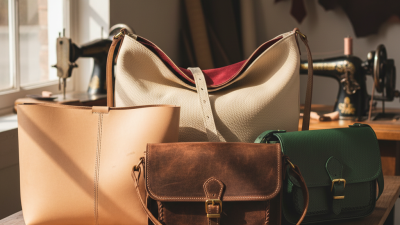
Leather type changes how a purse feels, ages, and handles daily use. Full-grain leather keeps the natural surface, including small pores and marks. It usually develops a deeper patina over time. Top-grain leather has been lightly corrected, so it looks more uniform and feels smoother. Split leather is thinner and often receives a coating to imitate a richer surface. Check the product description carefully. “Genuine leather” alone does not explain quality.

Tanning also matters. Vegetable-tanned leather often feels firm and shows color changes with sunlight and handling. Chrome-tanned leather is usually softer, more flexible, and more resistant to moisture. Neither method automatically makes a purse superior. I have found firm leather attractive in a shop, then tiring to carry after a full day. That was a useful mistake. A glossy finish can resist stains, but heavy coating may hide the grain and reduce breathability. Look at folded corners and handle edges. Cracking or excessive plastic shine deserves caution.

Tips: Press the leather gently. It should show natural flexibility, not a hollow, synthetic feel. Smell the surface; a mild leather scent is more believable than strong perfume. Inspect stitching, edge paint, lining attachment, and hardware weight. Ask how the leather was tanned and finished, then compare the answer with the care instructions. If the seller avoids specific details, pause. Buy the purse that fits your routine, not only the one that photographs beautifully.

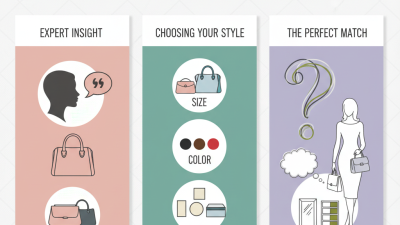
What Should You Consider When Choosing Size, Function, and Style?

Choosing a genuine leather hand purse starts with your daily routine, not a passing trend. I inspect the grain, stitching, edges, and lining under bright natural light. Genuine leather often shows slight texture changes and flexible movement. Perfectly identical surfaces deserve closer questions. A reliable seller should explain the leather type, measurements, lining, and care requirements clearly. I avoid trusting smell alone; finishes can imitate it, and my judgment is not infallible.

Size should match what you carry most days. Place your phone, wallet, keys, glasses, and a small notebook together. If the purse barely closes, it is already too small. If it swallows everything, you may carry unnecessary weight. Check the handle drop, zipper movement, pocket depth, and base stability. A secure closure and reinforced handle matter more than decorative hardware. Test pocket access with one hand. I once chose a beautiful purse with a shallow pocket. Finding my travel card became irritating.

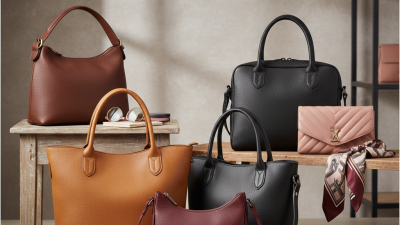
Style should support your clothing, schedule, and personal comfort. A structured shape can look polished at work, while a softer silhouette may suit relaxed weekends. Neutral colors usually offer more combinations, but a deep red or muted green can add useful character. Consider whether the finish will show scratches easily. Leather changes with use, so choose a surface that can age honestly. Some marks will appear. That is normal. Before paying, review the return policy, warranty, and care instructions. These details are easy to ignore, especially when the purse looks perfect under store lighting.