CONTACT US NOW
Get A Free Inquiry Now

What Is a Vegan Leather Belt Bag?

A Vegan Leather Belt Bag is a compact hands-free bag made without traditional animal leather. It usually wraps around the waist or crosses the chest. The design combines everyday storage with a cleaner, more modern appearance.

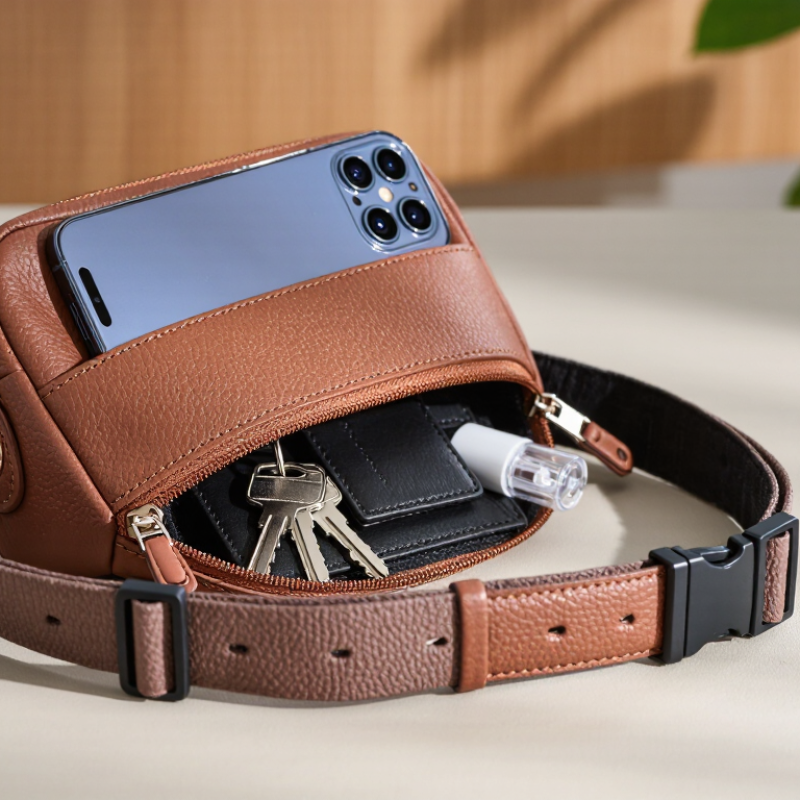
Common materials include polyurethane-coated fabric, recycled polyester, or plant-based alternatives. These materials can feel smooth, pebbled, or slightly textured under the fingers. A practical bag should hold essentials without becoming bulky. Think of a phone, cardholder, keys, and a small lip balm.

Small details matter.

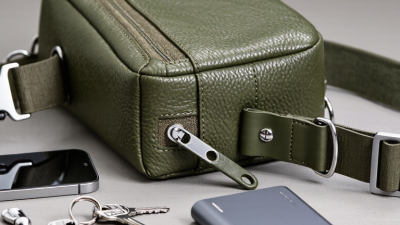
From hands-on use, zipper quality often affects satisfaction more than appearance. A stiff zipper can frustrate you at a crowded station. A loose strap may shift while walking. Strong stitching, reinforced attachment points, and a comfortable buckle deserve careful attention.

Not every vegan leather product is equally sustainable. Some versions rely heavily on plastic coatings. Others use recycled inputs or publish clearer material information. The label alone does not prove environmental superiority. This is where thoughtful shopping becomes important.

Look for transparent product descriptions, care instructions, and realistic durability claims. Independent reviews can reveal peeling, odor, or color transfer after repeated use. However, reviews also reflect personal habits and weather conditions. One buyer’s perfect fit may feel restrictive to another.

A well-made Vegan Leather Belt Bag can support commuting, travel, shopping, and casual weekends. It keeps essentials close while leaving both hands free. Still, it is not automatically ethical, durable, or eco-friendly. Understanding its materials and construction helps you choose with greater confidence.

What Is a Vegan Leather Belt Bag?

Definition and Key Features of a Vegan Leather Belt Bag

What Is a Vegan Leather Belt Bag?

A vegan leather belt bag is a compact waist or crossbody pouch made without animal hide. It usually uses polyurethane, recycled materials, or other synthetic coatings. The outer surface may look smooth, pebbled, or lightly grained. Some versions feel soft, while others feel firm and structured. A useful belt bag should carry daily essentials without becoming bulky. Think phone, keys, cards, and a small lip balm. That is usually enough.

Key features include an adjustable strap, secure closures, and organized interior space. A strong zipper should open smoothly and resist snagging. An interior pocket can separate cards from loose items. The strap needs firm stitching, especially near the buckle and side loops. When worn across the chest, the bag should sit close to the body. It should not swing heavily while walking. Comfort matters more than decoration.

Material labels deserve careful attention. “Vegan” describes the absence of animal leather, not automatic sustainability. Polyurethane can feel flexible and light, but its durability varies by coating quality. PVC may resist moisture, though it can feel less breathable. Check the lining, hardware, stitching, and care instructions as well. A damp cloth is often safer than soaking the bag. I have found that attractive surfaces can scratch easily. That small flaw deserves consideration before everyday use.

What Is a Vegan Leather Belt Bag?

A vegan leather belt bag is a compact hands-free bag made with animal-free synthetic leather, commonly polyurethane or PVC. It typically includes an adjustable waist strap, zippered storage, and a lightweight design for carrying everyday essentials.

The chart shows representative dimensions commonly associated with a compact vegan leather belt bag. Actual measurements vary by style and intended capacity.

Materials Commonly Used in Vegan Leather Belt Bags

What Is a Vegan Leather Belt Bag?

A vegan leather belt bag is a compact waist or crossbody pouch without animal hide. It holds keys, cards, and a phone while leaving both hands free. The material choice matters more than the label. Most versions use polyurethane, or PU, because it feels flexible and resists light rain. Polyvinyl chloride, or PVC, creates a tougher, often cheaper surface. Both are plastic-based and can complicate recycling.

Newer options combine plant fibers with coatings. Common examples include pineapple leaf fiber, cactus fiber, apple waste, cork, and recycled polyester. However, plant content does not always mean a fully plastic-free product. Many bio-based surfaces still need PU binders for strength and water resistance. Textile Exchange’s Materials Market Report 2024 recorded 124 million tonnes of global fiber production in 2023. Polyester represented about 57 percent of that output, showing why recycled polyester remains relevant in accessory design. The European Commission’s Product Environmental Footprint method also stresses full life-cycle assessment, rather than judging one material alone. Check the fiber content, coating, backing, and care instructions. A smooth finish can hide several layers. Durability is another imperfect measure; a bag lasting five years may outperform a fragile plant-based alternative. Still, durability claims need testing, not attractive wording.

How a Vegan Leather Belt Bag Is Designed and Made

What Is a Vegan Leather Belt Bag?

How a Vegan Leather Belt Bag Is Designed and Made

A vegan leather belt bag begins with a practical pattern, not decoration. Designers measure the waist, pocket depth, strap range, and opening angle. The bag must sit securely without pressing against the hip. A paper prototype helps reveal awkward folds and limited storage. That step is often skipped. It should not be.

The outer material may be polyurethane-coated fabric, recycled synthetic cloth, or a plant-based composite. Each option feels different and ages differently. Makers cut the panels with careful grain alignment. They reinforce stress points near the strap loops and zipper ends. A smooth lining reduces friction against keys and small electronics. Strong, even stitching matters more than flashy hardware. Finished bags should be checked for loose threads, uneven seams, sharp edges, and zipper resistance. Responsible production also requires clear material records and honest care instructions. “Vegan” describes the absence of animal-derived materials, not automatic sustainability.

Tips: Check the material label before buying. Bend a corner gently and inspect its surface. Look for reinforced strap attachments and a comfortable, adjustable buckle. Test the compartments with your daily items. A compact bag can become frustrating when the zipper opening is too narrow. Also, avoid assuming every plant-based material lasts longer. Real wear depends on coating quality, stitching, storage, and frequent moisture exposure.

Ways to Wear and Use a Vegan Leather Belt Bag

What Is a Vegan Leather Belt Bag?

A vegan leather belt bag is a compact pouch made without animal hide. It usually uses polyurethane or similar coated materials. The surface can resemble smooth leather, pebbled grain, or soft suede. Construction matters more than appearance. Check the stitching, lining, zipper, and strap adjustability before buying.

Ways to Wear and Use a Vegan Leather Belt Bag

Wear it around your waist with jeans and a loose shirt. Keep your phone, keys, cards, and lip balm close. For a cleaner shape, place it across your chest over a jacket or knit sweater. Tighten the strap until the bag stays steady, but leave room to breathe. It should not swing while walking.

Try it with active clothing, too. A dark bag can balance bright sneakers and relaxed trousers. A smaller design works well for museums, markets, and short errands. I often use mine while traveling through busy stations. It keeps essentials visible and leaves both hands free. Still, I sometimes overpack it. The result feels bulky and uncomfortable.

Use the bag as a small organizer inside a larger tote. Store charging cables, sunglasses, or travel documents there. Avoid placing wet items inside. Coated vegan leather may resist light moisture, but it is not always waterproof. Wipe spills quickly with a soft, damp cloth. Harsh cleaners can damage the finish. Some materials also crack with age, so careful storage matters. Keep it away from strong heat and direct sunlight.

Care, Durability, and Environmental Considerations

A vegan leather belt bag usually uses polyurethane (PU), polyvinyl chloride (PVC), or plant-based coatings over a textile backing. Its appearance can resemble leather, but its performance varies widely. Textile Exchange’s 2024 Materials Market Report estimates global fiber production reached 124 million tonnes in 2023. Polyester represented about 57% of that volume. This matters because many vegan materials still depend on fossil-based fibers.

Care directly affects durability. Wipe the bag with a soft, slightly damp cloth after wearing it. Remove sweat, dust, and food marks before they harden. Avoid soaking, machine washing, alcohol-based cleaners, and prolonged sunlight. Store it loosely, rather than under heavy clothing. A belt bag with cracked coating cannot be restored easily. That feels wasteful. Still, careful use may extend its practical life by several years, especially when stitching and zippers remain strong.

Environmental claims require restraint. The Food and Agriculture Organization reported that livestock supply chains contributed about 14.5% of human-caused greenhouse-gas emissions in its widely cited assessment. However, replacing animal leather with plastic-coated fabric does not automatically create a low-impact product. PU may shed microplastics, while PVC raises concerns about additives and disposal. Plant-based content can reduce fossil inputs, but “bio-based” does not always mean biodegradable. Textile Exchange also projects fiber production could reach 160 million tonnes by 2030. Longer use, repairable construction, recycled inputs, and transparent material data deserve more attention than attractive labels.

What Is a Vegan Leather Belt Bag? — Care, Durability, and Environmental Considerations
Dimension Key Information Practical Implication
Definition A vegan leather belt bag is a hands-free waist or crossbody bag made without animal hide. “Vegan leather” generally refers to a leather-like material rather than a single standardized fiber or finish. Check the material specification instead of relying only on the word “vegan,” because construction and environmental performance can vary considerably.
Common material: polyurethane (PU) PU-coated fabric uses a textile backing with a polyurethane surface that is designed to imitate the appearance and texture of leather. PU is usually flexible and lightweight. It should be protected from excessive heat, prolonged moisture, and abrasive surfaces.
Common material: polyvinyl chloride (PVC) PVC-based synthetic leather consists of a textile backing with a PVC coating. PVC is a chlorine-containing plastic. It can provide a firm, water-resistant surface, but it may feel less breathable and can become stiff or crack when exposed to aging, heat, or repeated flexing.
Plant-based alternatives Some materials use fibers or fillers derived partly from plants, such as fruit residues, leaves, cork, or other agricultural by-products. These materials may still contain PU, polyester, or other synthetic binders. “Plant-based” does not automatically mean biodegradable, compostable, or free from fossil-derived plastics. Review the full material composition.
Animal content A genuinely vegan bag should not contain animal hide, wool, silk, fur, or animal-derived adhesives and finishes. Product construction can include multiple components, such as fabric, coatings, thread, foam, webbing, and metal hardware. For strict vegan requirements, verify the complete component list rather than checking only the exterior material.
Typical durability Durability depends on coating thickness, backing fabric, stitching, edge finishing, zipper quality, strap hardware, frequency of use, and exposure to abrasion. A well-constructed PU or PVC bag may withstand regular everyday use, but performance cannot be predicted from the material name alone.
Common failure points Frequent failure areas include corners, folded edges, strap attachment points, zipper ends, and surfaces that repeatedly rub against clothing or furniture. Light-colored and highly textured finishes may show scuffs, stains, peeling, or color transfer more visibly than darker, smoother finishes.
Routine cleaning Remove loose dust with a soft, dry cloth. For light marks, use a slightly damp cloth with mild soap, then wipe away soap residue. Test any cleaning method on a hidden area first. Avoid soaking the bag, as moisture can affect coatings, lining, padding, and adhesives.
What to avoid Avoid bleach, acetone, alcohol-based solvents, abrasive sponges, strong detergents, shoe polish, and unapproved leather conditioners. Harsh chemicals can discolor the surface, weaken the coating, remove protective finishes, or accelerate cracking and peeling.
Drying and storage Air-dry the bag at room temperature and keep it away from radiators, hair dryers, direct sunlight, and hot car interiors. Store it clean, dry, and loosely filled to preserve its shape. Controlled drying and storage help reduce warping, brittleness, odor, mold growth, and premature surface damage.
Water resistance Many synthetic coatings resist light splashes, but water resistance is not the same as waterproofing. Seams, zippers, lining, and stitched areas may allow water to enter. Wipe off moisture promptly and do not assume the bag is suitable for heavy rain or submersion unless the manufacturer specifically states that it is.
End-of-life considerations Coated textiles, mixed fibers, adhesives, thread, zippers, and metal parts make many vegan leather bags difficult to recycle through standard household recycling systems. Extend the product’s useful life through careful maintenance, repair, resale, donation, or textile take-back programs where available.
Environmental advantages Vegan materials avoid the use of animal hide and do not require livestock tanning for the outer material. Lightweight construction may also reduce transport weight compared with some heavier products. These advantages should be assessed alongside the material’s plastic content, manufacturing energy, chemical processing, durability, and disposal options.
Environmental limitations PU, PVC, polyester, and other synthetic components are commonly fossil-derived or partly fossil-derived. They may persist for a long time after disposal and can be difficult to separate for recycling. A vegan label alone does not prove that a product has a lower total environmental impact than every animal-based or alternative material.
How to choose responsibly Prioritize a durable construction, repairable hardware, replaceable straps where possible, clear material disclosures, minimal packaging, and a design that will be used frequently for a long time. Long service life and reduced replacement frequency can improve the practical environmental performance of a belt bag.

Note: Performance and environmental impact vary by formulation, manufacturing process, product construction, use pattern, care, and disposal method.