CONTACT US NOW
Get A Free Inquiry Now

What Are the 2026 Top Vegan Leather Belt Bag Trends?

Vegan Leather Belt Bag trends are entering 2026 with sharper design expectations and tougher sustainability questions. Grand View Research estimates that the global vegan leather market reached approximately USD 42 billion in 2023. It also projects continued growth through 2030. However, market expansion does not automatically prove environmental progress. Material origin matters.

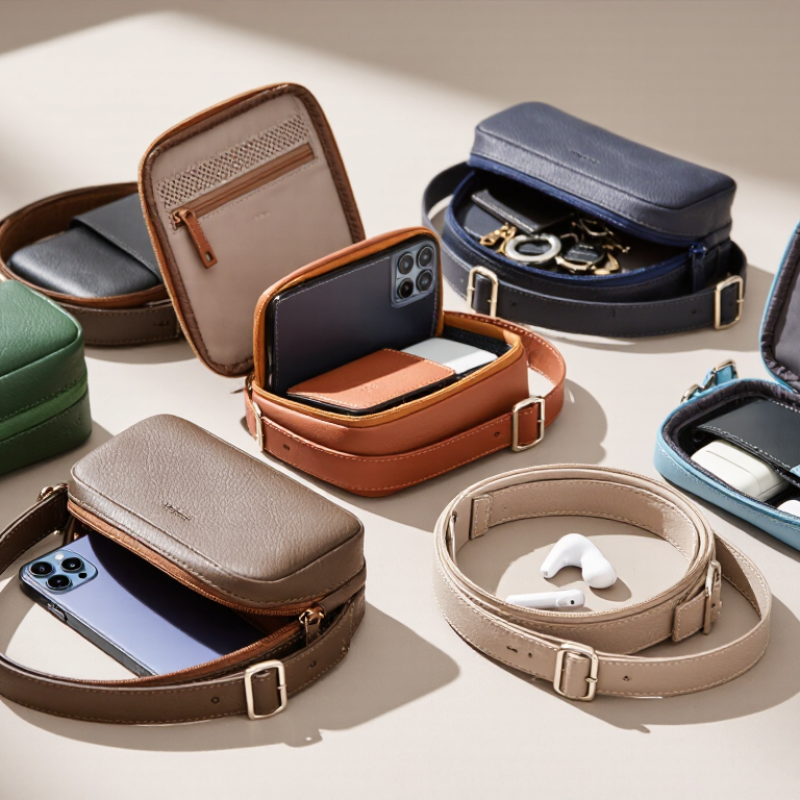
The 2026 conversation will likely move beyond simple “animal-free” messaging. Textile Exchange’s Materials Market Report 2024 emphasizes the importance of traceability, preferred materials, and responsible production systems. That guidance gives belt bag brands a practical benchmark. Expect plant-based textures, recycled synthetic options, softer structures, and hardware designed for longer use. Small details will matter. A low-profile bag should still hold a phone, cards, keys, and compact earbuds without awkward bulging. Adjustable straps, secure zippers, and breathable back panels may become stronger selling points.

Consumer behavior also supports this shift toward useful design. McKinsey’s State of Fashion reporting continues to highlight value, durability, and clearer product propositions in a cautious fashion market. Buyers may admire a glossy finish, but they still inspect peeling edges and weak stitching. That is where trend language meets real experience. Not every “eco” claim deserves equal trust. Some do not.

This title outline examines the leading 2026 Vegan Leather Belt Bag directions through materials, colors, shapes, functionality, and purchasing signals. Forecasts remain imperfect because terminology and market measurement vary. Careful comparison is necessary. The best designs will balance appearance, comfort, verified sourcing, and everyday performance rather than relying on green labels alone.

What Are the 2026 Top Vegan Leather Belt Bag Trends?

Definition and Evolution of Vegan Leather Belt Bags

What Are the 2026 Top Vegan Leather Belt Bag Trends?

Vegan leather belt bags began as practical waist pouches for hands-free movement. They later became compact fashion accessories worn across the chest or at the hip. Today, the definition includes bags made without animal hide, often using polyurethane, recycled synthetics, or plant-based coatings. The category is still messy. “Vegan” describes animal-free content, not automatic sustainability.

Material development is shaping the 2026 market. Grand View Research estimates the global vegan leather market could reach about USD 89 billion by 2030, with strong annual growth. Its estimates vary from other reports, so the figures need careful reading. Textile Exchange reported global fiber production at 124 million tonnes in 2023 and expects 160 million tonnes by 2030. That pressure encourages lighter designs, recycled inputs, and longer product use. Expect slimmer belt bags, adjustable webbing, matte textures, and structured compartments for phones, cards, and small earbuds. Some newer materials use cactus, apple waste, or mycelium-based layers. However, coatings, adhesives, and durability remain difficult questions.

Tips: Check the material description, lining, coating, and care instructions. A soft surface can still crack after repeated bending. Test the buckle with one hand. Look for repairable straps and reliable stitching. Do not assume a plant-based label proves a lower footprint. Ask for supplier data, recycled-content percentages, and testing details. A smaller bag may use fewer materials, but poor construction can shorten its life.

Key Materials and Sustainable Design Features in 2026

In 2026, top vegan leather belt bags will move beyond glossy plastic. Designers are favoring water-based polyurethane, bio-attributed polyurethane, and recycled polyester backings. These materials can reduce fossil feedstock, but their impacts vary by formulation and energy source.

Look closely. Textile Exchange’s 2024 Materials Market Report records 124 million tonnes of global fiber production in 2023. Polyester supplied 57% of that volume, making recycled or lower-impact backing especially important. Yet, a recycled claim does not prove circularity. Ask for certified content, supplier traceability, and product-level life-cycle assessment evidence.

UNEP’s 2023 global textile stocktaking estimates textiles generate 2–8% of global greenhouse-gas emissions. That figure supports smaller, longer-lasting accessories rather than disposable seasonal drops. Expect compact bags with replaceable straps, coated metal hardware, and repair-friendly stitching. Mono-material construction may simplify recycling, although mixed trims often defeat that ambition. Soft cactus or apple residues can feel convincing in hand. Still, some use polyurethane coatings and synthetic backing.

Practical testing matters. Rub the corner, flex the buckle, and inspect the lining before approving a supplier. Durable finishes should resist cracking, sweat, and light rain without heavy fluorinated treatments. Transparent care labels should explain cleaning, repair, and end-of-use routes. The uncomfortable gap remains durability data. Many sustainability claims sound precise, while abrasion results stay unpublished. That weakness deserves more scrutiny in 2026.

Leading Styles, Colors, Shapes, and Functional Details

What Are the 2026 Top Vegan Leather Belt Bag Trends?

In 2026, vegan leather belt bags are moving toward cleaner shapes and quieter details. Soft crescent designs remain popular, while compact rectangles offer a sharper, more professional look. Rounded edges make small bags feel less rigid. Sculptural forms add interest, but they can waste valuable storage space.

Color choices are becoming more expressive. Black, espresso brown, olive, and warm cream work well for daily outfits. Brighter shades, including tomato red and butter yellow, create a noticeable accent. Metallic finishes may appear in evening collections. However, pale colors can show denim transfer quickly. That detail is often overlooked.

Functional design now matters as much as appearance. Adjustable straps allow waist and crossbody wear, supporting different body shapes. Wide straps usually feel more stable during walking or cycling. Two separate compartments can protect keys from a phone screen. Smooth zippers, soft linings, and lightweight construction improve daily use. Verified recycled content and water-based coatings may strengthen material credibility, but claims still require clear documentation. I am not fully convinced that every plant-based finish performs equally well. A practical fitting check helps: load the bag with essentials, then walk for ten minutes. If it twists, presses, or opens awkwardly, the trend is not worth following.

How Technology and Consumer Needs Shape New Belt Bag Trends

What Are the 2026 Top Vegan Leather Belt Bag Trends?

Technology is making the 2026 vegan leather belt bag more practical, not merely fashionable. Manufacturers are testing bio-based coatings, recycled polyester backing, and water-reduced finishing methods. Grand View Research estimates the global vegan leather market will continue growing strongly through 2030. However, “vegan” does not automatically mean low-impact. Material durability, chemical use, and end-of-life options still require closer checking.

Consumers also want lighter bags with better organization. Euromonitor’s research on personal accessories highlights convenience and multifunctional design as continuing purchase drivers. This supports compact belt bags with adjustable straps, hidden phone sleeves, soft-edged security pockets, and detachable pouches. Some 2026 designs may include NFC tags or digital product records, helping users verify materials and care instructions. That sounds useful, though adoption may remain uneven. Technology can solve traceability problems, but it cannot repair weak stitching.

Tips: Check the lining, zipper strength, and strap attachment before buying. Prefer clear material information over vague “eco” language. A durable bag used for years may outperform a fashionable bag replaced quickly.

Resale is also shaping design decisions. The 2025 ThredUp Resale Report projects the global secondhand apparel market could reach 367 billion dollars by 2029. Belt bags with replaceable straps, washable interiors, and neutral silhouettes may therefore hold value longer. Designers should consider repair from the beginning. I still think many products overpromise here. A digital tag is impressive, but a reinforced corner is often more valuable.

Practical Tips for Choosing and Styling a 2026 Vegan Leather Belt Bag

In 2026, vegan leather belt bags are moving toward compact shapes, softer surfaces, and wider adjustable straps. The strongest designs balance hands-free comfort with a polished appearance. When testing one, I place my phone, keys, cardholder, and sunglasses inside. If the zipper strains, the bag is too small for real use. That simple test prevents attractive but frustrating purchases.

Measure your waist or preferred crossbody drop before ordering. A strap should sit securely without pressing into your ribs. For commuting, choose a stable back panel and a zipper that opens smoothly. Look for reinforced stitching around the buckle and strap anchors. Material labels matter. Vegan leather can describe different coatings and fabric bases, so read the product specification carefully. Prioritize clear care guidance, honest dimensions, and accessible repair information. Water resistance is useful, but it does not mean waterproof.

For daily outfits, a black or deep brown belt bag works with denim, knitwear, and tailored trousers. A muted green or clay shade adds interest without overpowering simple clothing. Wear it at the waist for a practical silhouette, or across the chest for streetwear-inspired styling. Keep the heaviest item closest to your body. This improves balance. I once chose a glossy finish for rainy days, but fingerprints became distracting. That small mistake changed my preference toward lightly textured surfaces. Trends can guide a purchase, yet comfort, capacity, and honest material information should decide it.

What Are the 2026 Top Vegan Leather Belt Bag Trends? — Practical Tips for Choosing and Styling a 2026 Vegan Leather Belt Bag

2026 Trend Direction Recommended Bag Profile Useful Capacity Material and Finish Key Selection Check Practical Styling Idea Best Use Case
Soft Minimalism
Clean lines and low-profile silhouettes
Horizontal or crescent shape
Approx. 20–28 cm wide
About 1.5–3 L
Phone, wallet, keys, sunglasses and small cosmetics
Matte or lightly pebbled polyurethane-based vegan leather in black, taupe, cream or brown Choose a smooth zipper, reinforced strap anchors and a lining that does not feel brittle or tacky Wear crossbody over a knit dress or at the natural waist with tailored trousers Daily commuting, casual offices and travel days
Compact Utility
Organized storage without excessive bulk
Boxy rectangular design with two or more compartments About 2–4 L
Suitable for a phone, passport, power bank and compact water bottle
Structured vegan leather with recycled polyester lining and durable webbing details Look for separate compartments, a secure back pocket and a strap that adjusts on both sides Pair with cargo trousers, denim and a simple overshirt; keep the bag close to the body City walking, sightseeing and hands-free errands
Convertible Carrying
One bag with several wearing options
Removable or adjustable strap; waist, crossbody and shoulder positions About 1–3 L
Best for essentials rather than bulky items
Flexible vegan leather combined with metal or coated hardware designed for repeated adjustment Test the strap range, buckle strength and whether unused strap length can be secured neatly Use crossbody with casual clothing, then shorten the strap for a waist-level look with a blazer Travel, concerts and outfits that need adaptable proportions
Tactile Texture
Quilting, grain and soft padded surfaces
Medium crescent or softly padded rectangle About 1.5–3 L
Keep contents light to preserve the shape
Quilted, pebbled or brushed vegan leather; avoid excessive surface coating if breathability matters Check that stitching is even, quilting is firmly secured and the surface does not flake when flexed Contrast a textured bag with smooth denim, cotton poplin or a plain wool coat Weekend outfits, dinners and elevated casual styling
Quiet Color
Natural, muted and season-spanning shades
Simple compact silhouette with minimal hardware About 1–3 L
Enough for everyday essentials
Olive, stone, chocolate, burgundy, navy and warm beige with a low-shine finish Compare the color under daylight; darker shades usually show fewer visible marks than pale finishes Match the bag with one accessory in a similar tone rather than coordinating every garment Capsule wardrobes and frequent outfit rotation
Responsible Material Focus
More attention to composition and longevity
Durable everyday shape designed for repeated use About 1.5–4 L
Select capacity according to actual carrying habits
Ask whether the shell is PU, PVC, recycled-content material or a plant-based composite; check for a clear fiber composition Do not assume “vegan” means biodegradable; review care instructions, recycled content and product durability information Choose a timeless color and silhouette that can be worn across multiple seasons Longer-term use and lower replacement frequency
Subtle Statement Details
Controlled shine and functional accents
Neutral base with one focal detail, such as a metallic pull or contrast panel About 1–2.5 L
Prioritize visual impact over maximum storage
Gloss, metallic or embossed accents used in small areas rather than across the entire bag Check that decorative parts do not interfere with the zipper, sit comfortably against the body or snag clothing Use as the focal point with monochrome clothing and understated jewelry Evening events, travel dinners and polished weekend looks
Weather-Aware Design
Practical protection for changing conditions
Close-fitting design with covered or water-resistant zippers About 1.5–3 L
Allow room for a compact umbrella only if the shape supports it
Coated vegan leather with sealed or neatly finished edges; water resistance is preferable to unverified waterproof claims Confirm the care label and test whether the bag has a protected opening and a wipe-clean surface Wear over a rain jacket or lightweight trench coat without placing the bag under heavy straps Commuting, light rain and outdoor urban activities

Practical benchmark: A comfortable everyday belt bag should sit securely without restricting movement. Before buying, measure the strap range, check the zipper opening, estimate the volume of your daily essentials and verify the material composition and care instructions.