CONTACT US NOW
Get A Free Inquiry Now

Why Choose a Vegan Leather Purse for Your Brand?

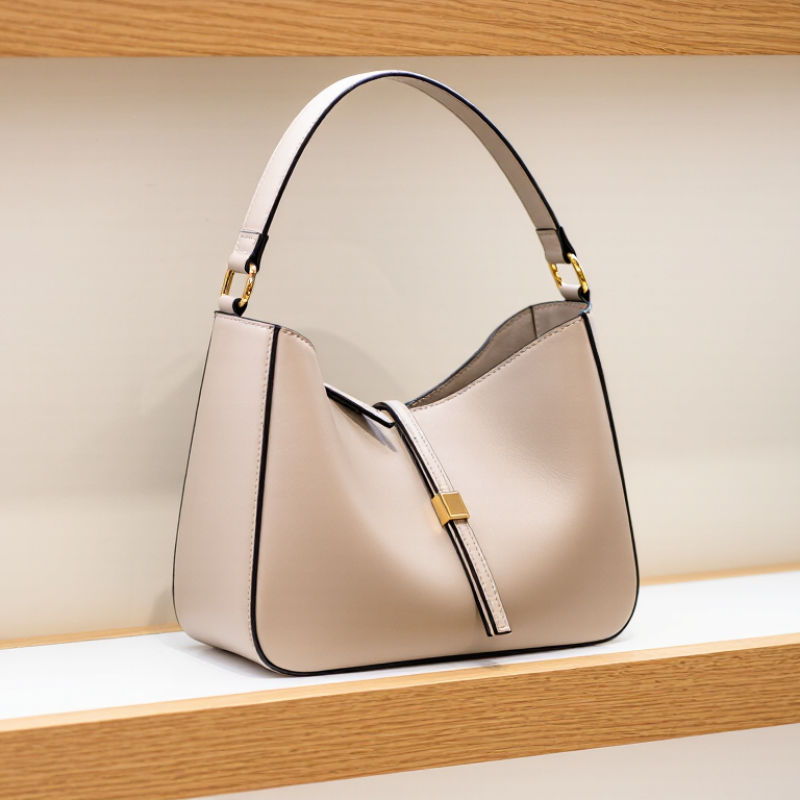
A Vegan Leather Purse can help a brand answer growing demand for animal-free accessories. It also creates a clear visual story. Think of a smooth PU surface, neat edge painting, and a lighter bag on a retail shelf. These details matter to customers and buyers.

The opportunity is supported by wider material changes. Textile Exchange’s Materials Market Report 2024 states that global fiber production reached 124 million tonnes in 2023. It may rise to 160 million tonnes by 2030. The report also shows polyester remains the dominant fiber, representing about 57% of global production. This signals intense pressure on brands to explain material choices. Grand View Research reports continued growth in the global faux leather market, driven by fashion, footwear, and accessory applications. However, market growth alone does not prove responsible production.

A credible brand should examine the purse beyond its animal-free label. PU and PVC materials can contain fossil-based plastics. Some may create recycling challenges at the product’s end of life. That weakness deserves honest discussion. Certifications, supplier audits, material traceability, and laboratory testing can strengthen product claims. A brand might also compare durability, coating composition, water use, and repair options. The Higg Materials Sustainability Index and Textile Exchange guidance can support structured evaluation, although no tool answers every question. The best choice depends on the product’s design and supply chain. A Vegan Leather Purse becomes more persuasive when its ethics, performance, and evidence align. Not perfect. More transparent. That is where real brand value begins.

Why Choose a Vegan Leather Purse for Your Brand?

What Is a Vegan Leather Purse?

Why Choose a Vegan Leather Purse for Your Brand?

What Is a Vegan Leather Purse?

A vegan leather purse uses no animal hide. Instead, its outer layer may contain polyurethane, PVC, recycled polymers, or plant-based materials. Mushroom, cactus, apple, and pineapple fibers can also appear in newer formulations. However, “plant-based” does not always mean plastic-free. A purse may combine plant fibers with synthetic coatings for strength and water resistance.

The material choice affects touch, structure, and lifespan. Polyurethane often feels soft and flexible, while PVC can provide a firmer surface. Yet both are plastic-based. Poor coatings may crack around handles or peel after repeated folding. That detail matters in daily use. A practical evaluation should include abrasion, flexing, seam strength, hydrolysis, and finish stability.

The market is expanding. Grand View Research estimated the global vegan leather market at about USD 42.2 billion in 2023, with continued growth expected through 2030. Material Innovation Initiative also identified next-generation materials as a rapidly developing sector in its 2022 State of the Industry Report. These figures show momentum, not automatic sustainability. Textile Exchange’s 2024 Materials Market Report reported that polyester represented 57% of global fiber production in 2023, reminding designers that synthetic alternatives still require careful sourcing. The label can mislead. Recycled content, supplier testing, repairability, and verified material claims create a more reliable product story.

How Vegan Leather Compares with Animal Leather

Vegan leather and animal leather are not simple opposites. Their performance depends on coating, backing fabric, construction, and finishing. In daily use, a well-made polyurethane material can feel smooth, resist light rain, and remain easy to clean. Some plant-based alternatives use cactus, apple waste, or other fibers, but their polymer content still matters. “Bio-based” does not always mean fully biodegradable.

Animal leather can offer strong abrasion resistance and a familiar patina. It may soften beautifully after years of use. However, tanning requires water, chemicals, energy, and careful wastewater control. The Food and Agriculture Organization estimates livestock supply chains create 14.5% of human-caused greenhouse gas emissions. That figure covers the entire livestock system, not leather alone. The distinction matters.

Market demand is changing. Grand View Research estimated the global vegan leather market at approximately 39 billion US dollars in 2023, with continued growth expected through 2030. Yet market size is not proof of lower environmental impact. A PVC purse may avoid animal inputs but create disposal concerns. A PU purse may perform better, though its plastic coating remains difficult to recycle. I have found that honest material sheets are more useful than broad sustainability claims. Ask about backing content, coating chemistry, recycled inputs, testing, and repair options. Durability still counts. A purse used for five years may be preferable to one replaced every season, whatever its label.

Brand Benefits of Choosing Vegan Leather Purses

Vegan leather purses can give brands a consistent material platform for color, texture, and production scale. Modern polyurethane-based materials may create smooth finishes, grain patterns, and lightweight structures. That flexibility helps designers develop coordinated collections without depending on animal hides. Textile Exchange’s Materials Market Report 2024 states that global fiber production reached 124 million tonnes in 2023. It may reach 160 million tonnes by 2030. This growth increases pressure on brands to explain material choices clearly.

The strongest benefit is credible communication. A purse made with documented vegan materials can support cruelty-free positioning and simpler product storytelling. However, “vegan” does not automatically mean sustainable. Some alternatives contain virgin plastics, difficult coatings, or blended layers. UNEP reports that the textile industry contributes between 2% and 8% of global greenhouse gas emissions. Brands should therefore examine durability, recycled content, repair options, and end-of-life limits. Sometimes, the less attractive answer is more trustworthy.

Tips: Request full composition sheets, supplier certifications, abrasion results, hydrolysis testing, and care instructions before approval. Compare samples under daylight and repeated handling. Ask whether the coating cracks after folding. Test the hardware, lining, and handle together. A lower-impact material can fail if the purse wears out quickly. Not automatically better. Measure it.

Key Materials, Quality Factors, and Design Options

Why Choose a Vegan Leather Purse for Your Brand?

Key Materials, Quality Factors, and Design Options

Choosing vegan leather starts with the material, not its label. Polyurethane surfaces can feel soft and resist light moisture. PVC-free options may use plant fibers, recycled content, or bio-based coatings. Their environmental claims still need evidence. Ask for composition records, test reports, and traceable production details. A swatch should be flexed, rubbed, and wiped before approval. It should not crack after repeated bending. Not every “eco” surface performs well.

During sample reviews, I check the backing, coating thickness, and surface recovery. A daily purse needs reliable abrasion resistance and colorfastness. Stitching should stay even around corners and handles. Zippers, rings, and snaps need smooth movement without sharp edges. Hydrolysis testing can reveal coating failure in humid conditions. A polished sample can still hide weak seams. That is worth admitting.

Design choices shape both appearance and use. A structured shell suits office styles, while a soft body creates a relaxed feel. Quilting, embossing, contrast panels, and matte finishes add visual depth. Recycled polyester lining can reduce weight and support easy cleaning. Adjustable straps improve comfort across different users. Light colors look refined but may show transfer marks faster. I sometimes prefer a less dramatic finish after testing. Practical beauty lasts longer.

Why Choose a Vegan Leather Purse for Your Brand?

Material selection influences durability, comfort, water resistance, and design flexibility. The chart below compares commonly used vegan leather options using practical planning ratings from 1 to 5, where 5 indicates stronger performance.

Key takeaway: PU-based leather offers a balanced combination of flexibility and finish versatility. PVC-based leather generally provides strong water resistance, while cork and plant-fiber composites can support distinctive textures and natural design concepts. Actual performance depends on coating, backing fabric, construction, and testing standards.

How to Select the Right Vegan Leather Purse for Your Brand

Choosing the right vegan leather purse starts with your brand’s actual customer, not a trend report. A commuter may need a structured bag that survives daily travel. A weekend shopper may prefer a lighter, softer design. Define the use before selecting the material. Examine swatches under daylight. Check their surface texture, flexibility, and color consistency. Very smooth finishes can look polished, but they may show scratches quickly.

Ask suppliers for clear material details, including the base composition, thickness, backing fabric, and available test reports. “Vegan” describes animal-free sourcing, not automatic durability or environmental performance. Compare abrasion resistance, seam strength, colorfastness, and odor after unpacking. Request a finished sample, not only a flat swatch. A purse can feel strong in your hand yet sag around the zipper.

Construction deserves equal attention. Inspect edge paint, lining attachment, handle stitching, zipper movement, and hardware weight. Put ordinary items inside the sample, such as a phone, keys, and a small notebook. Carry it for several hours. Notice pressure points and whether the handles twist. No material wins every test. A bio-based coating may support your positioning, but it can cost more or require careful storage. A lower-cost option may perform well, but its finish might age unevenly. Ask for production tolerances and replacement policies in writing. Small defects are easier to fix before bulk manufacturing. Your selection may still involve compromises. That is normal, and ignoring them is the real risk.

Why Choose a Vegan Leather Purse for Your Brand? - How to Select the Right Vegan Leather Purse for Your Brand

Material Type Typical Composition Animal-Free Water Resistance Flexibility Abrasion Performance Key Advantages Important Considerations Recommended Purse Applications
Polyurethane (PU) Textile backing with a polyurethane surface coating Yes Good Good to very good Good; depends on coating and finish Soft hand feel, broad color range, scalable production, and generally lighter than animal leather Usually fossil-fuel-based; surface coatings can crack or wear over time; quality varies significantly Everyday totes, shoulder bags, crossbody bags, and fashion purses
Polyvinyl Chloride (PVC) PVC coating or film bonded to a textile backing Yes Very good Moderate Good; may become brittle with age or cold Strong moisture barrier, easy surface cleaning, and relatively low material cost Chlorine-based material; limited breathability; environmental profile requires careful chemical and end-of-life review Rain-resistant totes, structured bags, promotional bags, and easy-clean styles
Bio-Based PU PU coating partially derived from plant-based feedstocks, often with a textile backing Yes Good; depends on construction Good to very good Good when engineered for repeated use Can reduce reliance on virgin fossil feedstocks while retaining a leather-like appearance and feel Bio-based content does not automatically mean biodegradable or compostable; verify the percentage and test results Premium everyday purses, capsule collections, and products with sustainability-focused specifications
Cork Fabric Thin cork bark veneer laminated to a textile backing Yes Good when sealed Moderate to good Moderate; surface can scratch or crease Lightweight, distinctive natural grain, and made from renewable bark that can be harvested without cutting down the tree Backing and adhesive affect durability and recyclability; avoid prolonged soaking and excessive bending Lightweight handbags, clutches, wallets, and structured statement accessories
Plant-Fiber Composite Agricultural fibers, such as leaf or stem fibers, combined with a polymer binder or coating Yes Moderate to good Moderate; formulation-dependent Moderate to good after surface finishing Can use agricultural by-products and provide visible fiber texture and a differentiated material story The polymer binder may make up a substantial portion; confirm composition, coating chemistry, and consistent supply Limited-edition purses, casual bags, and collections emphasizing natural texture
Mycelium-Based Material Fungal mycelium structure, commonly combined with a backing, coating, or finishing layer Yes Moderate to good; finish-dependent Good in suitable constructions Requires product-specific testing Innovative material platform with potential for lower-impact production and a premium tactile experience Performance, coating content, availability, and end-of-life options vary; request independent test documentation Premium capsule purses, design-led collections, and limited production runs

Vegan Leather Purse Selection Checklist

Evaluation Dimension What to Verify Before Production Why It Matters for a Purse
Material Composition Request the full fiber, coating, backing, adhesive, and recycled-content composition A clear composition supports accurate product claims and helps assess recycling or disposal options
Durability Testing Check abrasion, flexing, seam strength, colorfastness, hydrolysis, and coating adhesion results Purses experience repeated bending, friction, handling, and contact with clothing and surfaces
Hardware Compatibility Test snaps, buckles, zippers, rings, and handles with the selected material and construction method Incorrect reinforcement can cause tearing, stretching, or premature failure around attachment points
Care Requirements Define approved cleaning methods, moisture limits, storage conditions, and stain-removal instructions Simple care instructions can extend product life and reduce avoidable returns
Sustainability Evidence Review lifecycle information, recycled or bio-based content, chemical compliance, and end-of-life guidance “Vegan” describes animal origin, but it does not by itself prove lower environmental impact
Sample Approval Evaluate color consistency, odor, grain, edge finishing, stitching, shape retention, and real-use performance A material may perform well in laboratory tests but still require design adjustments for the finished purse

Note: Performance ratings are general industry guidance. Actual results depend on material thickness, backing, coating formulation, construction, hardware, testing method, and use conditions.