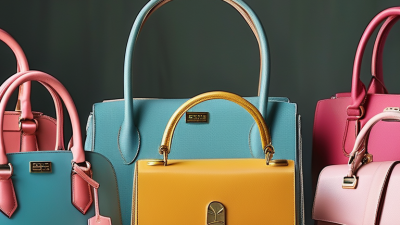
2026 Top Designer Faux Leather Bags for Global Buyers?
In recent years, the demand for Designer Faux Leather Bags has surged. Global reports indicate that the faux leather market is projected to reach $40 billion by 2026. This trend is driven by growing consumer awareness of sustainable fashion. Shoppers are actively seeking eco-friendly alternatives to traditional leather products.
Despite this growth, the market faces challenges. Quality control remains a concern for many buyers. Some faux leather options do not meet the durability standards set by consumers. Brands struggling with this issue risk losing credibility. Indeed, 57% of consumers prefer brands that prioritize sustainability.
As global buyers seek the best options, understanding the landscape is crucial. Designers must balance quality and sustainability. This pursuit requires continuous improvement and adaptation. As we explore the top designer faux leather bags in 2026, reflecting on these factors will be essential for success in this evolving market.

Overview of Faux Leather Bags and Their Popularity in 2026
In 2026, faux leather bags have gained significant traction among consumers. This rise in popularity stems from a combination of ethical considerations and fashion trends. More buyers are seeking sustainable options. Faux leather offers an attractive alternative to traditional leather, allowing for style without compromising values.
The aesthetic appeal of faux leather bags is remarkable. Designers have embraced high-quality materials that mimic real leather closely. Textures are rich and varied, providing consumers with a broad selection. Shiny finishes and matte surfaces cater to different tastes. This versatility helps it stand out in a crowded market.
Yet, there are challenges. Some faux leather bags may not hold up well over time. Buyers need to weigh durability against eco-friendliness. Sustainability claims can sometimes lack transparency. Consumers should ensure they are making informed choices. By keeping these factors in mind, buyers can navigate the faux leather landscape effectively.
Key Features to Look for When Choosing Designer Faux Leather Bags
Faux leather bags are a stylish and eco-friendly choice for global buyers. When selecting a designer faux leather bag, consider the quality of the material. High-quality faux leather should feel soft to the touch and have a textured appearance that mimics genuine leather. Look for bags that use polyurethane or PVC, which are more durable and easier to clean.
Pay attention to the stitching as well. Well-constructed bags will have neat, even stitches, adding to the overall durability. Inspect the hardware too; sturdy zippers and clasps can indicate a bag that will last. Cheaper options might use weaker materials, which can wear down quickly.
When choosing your bag, think about practicality. Some bags have pockets or compartments that help organize your belongings. A bag that balances style and functionality can save you time and effort. The colors and patterns should also resonate with your personal style, making the bag feel uniquely yours.
Faux leather can be less forgiving than real leather. Scratches may show more easily, so choose items with textures or matte finishes that might disguise these imperfections. Always consider how the bag fits into your daily life and whether it meets your needs without compromising on design.
2026 Designer Faux Leather Bags - Key Features Comparison
Top Designers of Faux Leather Bags to Watch in 2026
As we step into 2026, the faux leather bag market is poised for significant growth. According to a recent industry report, the global faux leather market is set to expand at a CAGR of 9.6% from 2023 to 2030. This data reflects a rising consumer preference for sustainable fashion. Designers are innovating, crafting unique faux leather bags that marry style with eco-consciousness.
Emerging designers are at the forefront of this trend. Their creativity and dedication to materials provide a fresh perspective. They're utilizing plant-based alternatives and recycled plastics to create stunning designs. This opens up new opportunities for buyers who are keen on sustainable practices. However, there are challenges. The production methods of faux leather need to be more transparent. Consumers deserve insight into the materials they support.
Several designers showcase remarkable talent in this area. Their creations often boast intricate details and modern aesthetics. This blend captures the attention of fashion-forward buyers. Yet, with fast fashion on the rise, some designers face the dilemma of balancing affordability with quality. This tension might lead to compromises that could affect the integrity of their designs. The market must navigate these complexities to thrive.
Sustainable Practices in the Faux Leather Bag Industry
The faux leather bag industry has been witnessing a significant shift towards sustainability in recent years. According to a report from Fashion Revolution, 74% of consumers are now more likely to purchase products made sustainably. This trend reflects a growing awareness of environmental issues. Many brands are exploring eco-friendly materials, such as plant-based or recycled sources. This transition offers a glimpse into a better future for fashion.
However, not all practices are perfect. The production of faux leather, particularly derived from polyurethane (PU), can still involve toxic chemicals. Data suggest that while PU can mimic the look of real leather, its carbon footprint is often higher. The industry must address the inconsistency in production methods to ensure a genuinely sustainable approach. Consumers should seek transparency regarding sourcing and manufacturing processes to make informed choices.
Moreover, the rise of circular fashion is encouraging brands to create bags that last longer. Recent studies show that extending the life cycle of a bag by just nine months can significantly reduce its overall environmental impact. While this shift is promising, there’s still a long way to go. The balance between style, price, and sustainability continues to challenge manufacturers and consumers alike. Prioritizing ethical production will be essential for true innovation in the faux leather market.
Global Market Trends and Consumer Preferences for Faux Leather Bags
The global market for faux leather bags is evolving rapidly. Consumers are increasingly aware of the environmental impact of their choices. This awareness is steering them towards sustainable alternatives. Faux leather bags, made from synthetic materials, are often considered a more humane option. Many buyers appreciate the look and feel of high-quality faux leather. They enjoy aesthetics without the ethical concerns tied to traditional leather.
However, there are challenges in this market. Some consumers question the durability of faux leather compared to genuine leather. They worry about long-term wear and tear. Additionally, the production process of synthetic materials can also raise eyebrows. Buyers are becoming more discerning. They want bags that not only look good but also align with their values.
Trends indicate a growing demand for innovative designs. Consumers want bags that are stylish yet functional. Designers are responding to this, creating unique shapes and colors. However, there remains a gap in meeting all consumer expectations. Balancing style, sustainability, and performance is not easy. The future will require ongoing dialogue and adaptability from designers and manufacturers.
2026 Top Designer Faux Leather Bags for Global Buyers
| Dimension |
Value |
| Market Growth Rate (2021-2026) |
8.5% |
| Global Market Size (2026) |
$12 Billion |
| Top Region (Sales) |
North America |
| Most Popular Color |
Black |
| Average Price Range |
$80 - $150 |
| Consumer Preference (Sustainability) |
70% |
| Preferred Style |
Crossbody |
| Percentage of Online Purchases |
60% |
| Key Demographic (Age Group) |
25-34 |