What is Designer Faux Leather Bags and Why Choose Them?
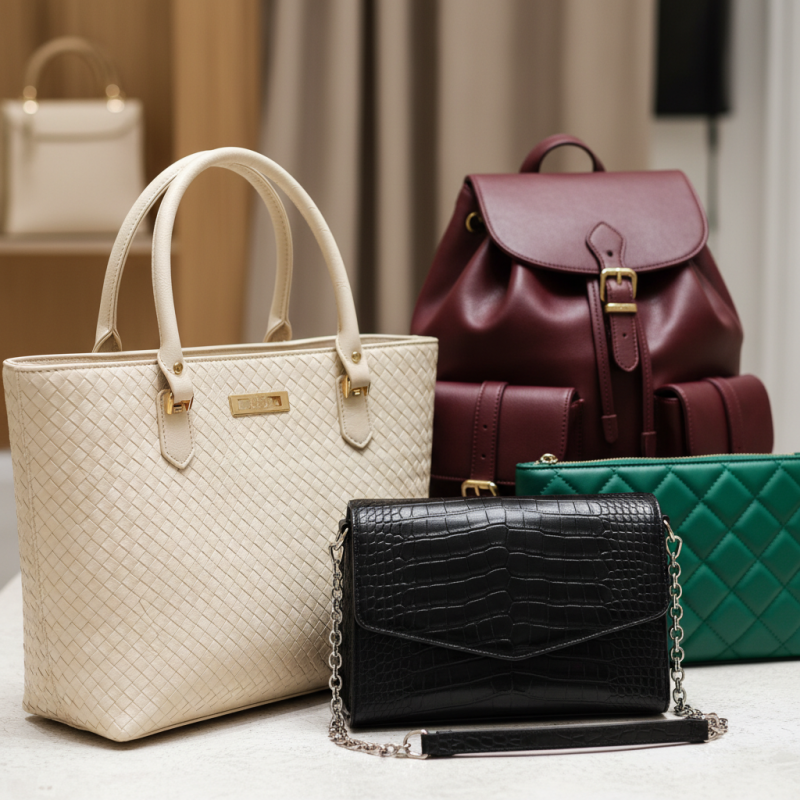
Designer Faux Leather Bags have emerged as a popular choice among fashion enthusiasts. They combine style with ethical considerations. These bags mimic the luxurious look of genuine leather without the associated animal products. This makes them a go-to option for the modern consumer.
Many people appreciate Designer Faux Leather Bags for their versatility and affordability. They come in various styles, colors, and sizes, catering to diverse tastes. Additionally, the durability of faux leather ensures longevity. Unlike traditional leather, these bags often require less maintenance, making them convenient for daily use.
Choosing Designer Faux Leather Bags reflects a conscious lifestyle. Consumers are becoming more aware of sustainability. They seek products that align with their values. However, not every faux leather bag is created equal. It’s essential to research brands and materials. This ensures you choose a product that is both stylish and reliable.
What is Designer Faux Leather?
Designer faux leather is an innovative alternative to traditional leather. It offers a stylish and ethical choice for consumers. Faux leather, crafted from synthetic materials, mimics the texture and look of genuine leather. This material has gained popularity due to increased awareness of animal welfare. Studies show that over 60% of consumers prefer faux leather for its cruelty-free appeal.
The market for faux leather is expected to reach $50 billion by 2025, indicating a growing trend. Brands are investing in high-quality faux leather to meet consumer demand. While many may associate faux leather with lower quality, advancements in technology have improved its durability. Today’s versions can withstand wear and tear just as well as their genuine counterparts.
Yet, not all faux leather products are created equal. Some may still have a plastic feel or lack breathability. It's essential for consumers to research materials and manufacturing processes. Sustainability is a critical concern too. Many brands are now focusing on eco-friendly materials, yet transparency varies. The increasing number of options can also be overwhelming. Knowing your preferences helps in making informed choices.
The Benefits of Choosing Faux Leather Bags
Designer faux leather bags are an excellent choice for stylish individuals. They offer the same aesthetic appeal as genuine leather without harmful environmental impacts. Faux leather materials are made from synthetic fibers, providing a cruelty-free alternative to animal products. This choice supports ethical fashion and appeals to eco-conscious consumers.
The benefits of faux leather extend beyond ethics. These bags are often more affordable than their genuine counterparts. This means you can enjoy trendy designs without breaking the bank. They are also easier to maintain. A simple wipe with a damp cloth keeps them looking fresh. Unlike genuine leather, faux leather does not crack or fade as quickly over time. This durability makes them a reliable option for everyday use.
However, some may question the longevity compared to real leather. It’s true that faux leather can wear down, losing its charm with time. It's important to choose high-quality options to ensure better durability. Additionally, some synthetic materials can be less breathable. This might be a consideration in warmer climates. Ultimately, choosing faux leather bags allows you to express style while making thoughtful choices for the planet and your wallet.
Key Features of Designer Faux Leather Bags
Designer faux leather bags offer a stylish and cruelty-free alternative to traditional leather. They are often made from high-quality materials that mimic the look of genuine leather while providing several unique benefits. A report by Allied Market Research indicates that the global faux leather market is projected to reach $36.3 billion by 2025, highlighting a growing trend in sustainable fashion choices.
Key features of designer faux leather bags include durability and easy maintenance. Unlike real leather, faux options resist stains and scratches. They are often waterproof, making them practical for everyday use. The lightweight nature of these bags also allows for comfortable wear, suitable for various occasions. Additionally, many faux leather bags come in a wide range of colors and textures, offering more design flexibility.
**Tips:** When selecting a faux leather bag, pay attention to the material quality. Look for detailed stitching and hardware, as these factors can enhance durability. Research eco-friendly brands that prioritize ethical production practices. While faux leather is versatile, it's essential to consider longevity. Regular cleaning and proper storage can extend the life of your bag, so factor in maintenance when making your choice.
What is Designer Faux Leather Bags and Why Choose Them? - Key Features of Designer Faux Leather Bags
| Feature |
Description |
Benefits |
| Material Quality |
Made from high-quality synthetic materials that mimic real leather. |
Durable and resistant to wear, providing a long-lasting product. |
| Eco-friendly |
Produced without harming animals, making it a cruelty-free choice. |
Appeals to environmentally conscious consumers. |
| Variety of Designs |
Available in numerous styles, colors, and patterns. |
Offers versatility and options for different occasions. |
| Affordability |
Typically more affordable than genuine leather products. |
Allows consumers to enjoy stylish bags without breaking the bank. |
| Care and Maintenance |
Easy to clean and maintain compared to real leather. |
Reduces the hassle of upkeep, making it suitable for everyday use. |
Comparing Faux Leather with Genuine Leather
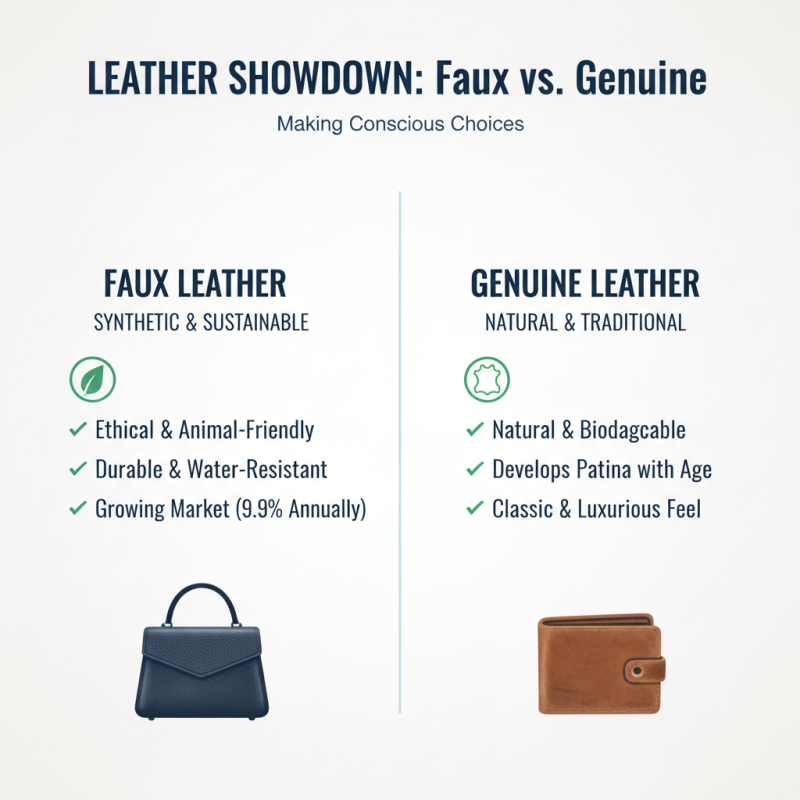
Faux leather, often referred to as synthetic leather, has gained popularity as a stylish and ethical alternative to genuine leather. According to industry reports, the global faux leather market is projected to grow by 9.9% annually until 2028. This rapid growth reflects a shift in consumer preferences towards sustainable options. Faux leather bags are not only fashionable but also reduce the demand for animal products.
Genuine leather boasts durability and a classic appeal, yet it comes with environmental costs. The leather tanning process can result in significant pollution. In contrast, faux leather production has much lower water usage. A study indicated that manufacturing synthetic leather requires 60% less water than traditional leather. However, faux leather is not without concerns. Over time, it may degrade and contribute to plastic waste. Thus, weighing the long-term impact of material choice is essential.
Choosing faux leather encompasses both style and ethics. Consumers should consider quality variations among brands. Some faux leathers are more durable and environmentally friendly than others. As you explore options, think critically about the longevity and the sources of materials. Understanding these factors will enhance your awareness as a conscious shopper in a growing market.
How to Care for and Maintain Faux Leather Bags
Caring for faux leather bags is essential to maintain their look and longevity. Faux leather, while durable, can be sensitive to the elements. One main concern is keeping them away from direct sunlight. Prolonged exposure can lead to fading and cracking. If you notice any dust, a simple wipe with a soft cloth can help.
Tips: Always test any cleaning product on a small area first. This prevents unexpected damage.
Regular cleaning is crucial. Use a mild soap solution and a damp cloth for routine care. For tough stains, use a specialized cleaner made for synthetic materials. Be sure to avoid abrasive tools that can scratch the surface.
Tips: Store your bags in a cool, dry place. Proper storage prevents mold and keeps the shape intact.
Conditioning your faux leather can enhance its appearance. Use a conditioner designed for synthetic materials. This can help maintain flexibility and prevent cracking. Remember, faux leather can wear down over time. If your bag shows signs of wear, consider repurposing it into a smaller item or accessory. This approach can lead to creative outcomes and sustainability.
Popularity of Faux Leather Bags by Type