2026 Top Types of PU Leather Handbags for Wholesale Buyers
Wholesale buyers entering the 2026 market need more than a list of attractive silhouettes. Pu Leather Handbags now span structured totes, crossbody bags, shoulder styles, satchels, and compact evening designs. Each type brings different demands for capacity, hardware strength, lining, and finish consistency. A smooth surface can look convincing under showroom lights. Check it under daylight, too.
Grand View Research’s Synthetic Leather Market report estimated the global market at approximately USD 31.9 billion in 2023 and projected continued growth through 2030. This figure covers synthetic leather broadly, not handbags alone, so it should not be mistaken for handbag sales. It does, however, show why buyers should assess material claims carefully. PU coatings, backing fabrics, and production quality can vary considerably between suppliers.
Materials researcher Dr. Subramanian Senthilkannan Muthu’s published work offers a useful reminder: evaluate materials across their life cycle, not by appearance alone. This is a paraphrase of his research perspective, not a direct quotation. In practice, request clear specifications, repeat-order samples, and evidence supporting any durability or environmental claim. Small details matter. Stitching that puckers at a handle base can become a costly complaint. A sample may also differ from bulk production; buyers should verify tolerances before placing large orders. The guide ahead compares the leading Pu Leather Handbags types by design, buyer appeal, and practical sourcing considerations. Some trade-offs remain. A lower unit price may not mean better value.
Understanding PU Leather Handbags and Their Wholesale Appeal
PU leather is made by applying a polyurethane coating to a textile backing.
This gives handbag makers a smooth surface, consistent color, and options for different grains and finishes. A pebbled texture can hide small scuffs better than a glossy, flat finish. PU is not animal leather, and its feel depends on both the coating and the backing.
For wholesale buyers, this variety can serve different price points and customer preferences. A structured tote, a soft shoulder bag, and a compact crossbody can use similar material in distinct ways. PU bags are often lighter to carry and easier to wipe clean than many leather styles. Test a swatch with a damp cloth; harsh cleaners may dull the surface. Check for reinforced handles, even edge paint, smooth zippers, and lining that does not bunch. Small details matter.
Before placing a bulk order, request samples and compare colors in daylight and indoor lighting. Flex the material near seams, then check for peeling, strong odor, and uneven coating. Ask suppliers about backing composition, thickness, care guidance, and batch consistency. Not every PU finish ages alike; some may crease or peel sooner than expected. A sample cannot fully predict months of daily use. That uncertainty is worth discussing with the supplier, not hiding from customers.
Identifying the Main Handbag Types by Shape and Function
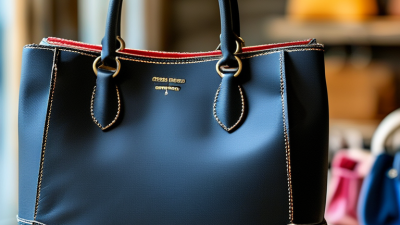
PU leather handbag shapes usually reveal their intended use. A tote has a broad opening and roomy interior for folders, water bottles, or daily essentials. For wholesale buyers, check the base panel and handle attachment; a heavy sample can sag when filled. Roomy, but not rigid.
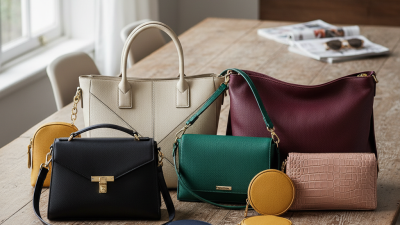
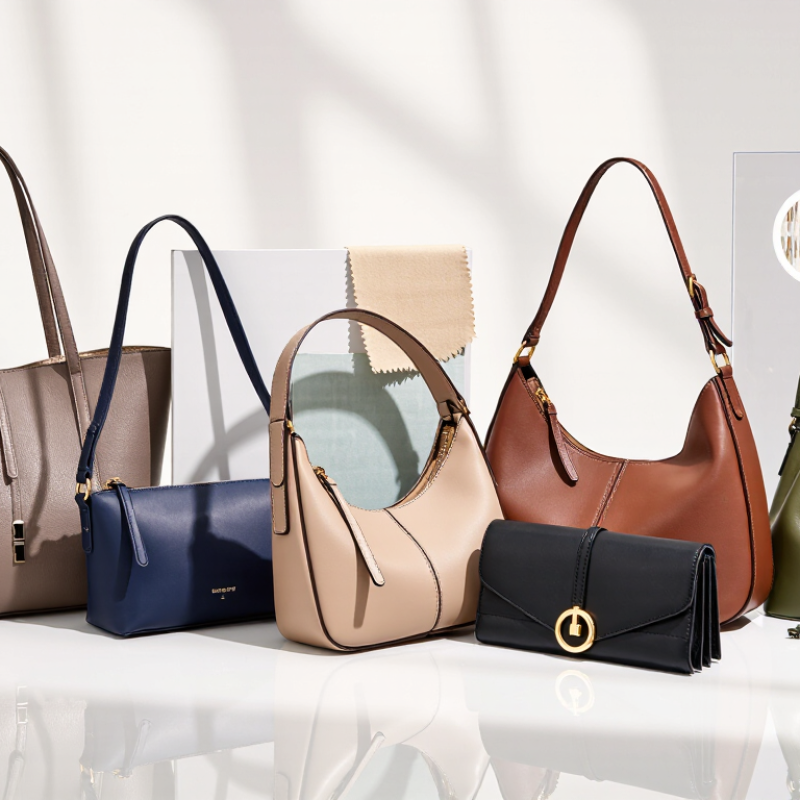
Shoulder bags balance access and capacity, while crossbody bags keep contents close during commuting or travel. Compare strap width, adjustment range, and hardware placement on each sample. A satchel’s structured body and top handle suit customers who prefer a defined shape. However, stiff panels may limit packing space. Small changes matter.
Hobo bags use a softer, curved profile and often fit casual wardrobes. Clutches and compact evening bags prioritize slim proportions over storage, so interior pockets can make a noticeable difference. Ask suppliers for measurements, lining details, and close-up images of seams and closures. PU leather can vary in texture and flexibility, even within similar color options. A polished sample may still feel awkward when its strap slips or its opening is too narrow; that trade-off is easy to overlook.
2026 Top Types of PU Leather Handbags for Wholesale Buyers
Representative width by shape and function
Totes generally offer the widest profile for everyday and work essentials, while crossbody bags and clutches favor compact, hands-free or occasion use. Widths are approximate category-level planning benchmarks; actual dimensions vary by style and manufacturer.
Examining PU Leather Finishes, Features, and Construction
For wholesale buyers, PU leather quality begins with the finish and the fabric underneath. Smooth, matte surfaces suit clean silhouettes, while pebbled or crosshatched embossing can disguise small scuffs. Metallic and high-gloss finishes attract attention but may show scratches sooner. Ask suppliers for the face-coat and backing specifications, not just a thickness figure. Polyester is a common backing choice; Textile Exchange’s Materials Market Report 2024 estimates polyester represented about 57% of global fiber production in 2023. That figure describes the wider fiber market, not handbag backing specifically.
Construction matters just as much. Check whether the lining is secured cleanly, whether seams pucker around curves, and whether handles have reinforcement beneath their attachment points. Request coated-fabric test results, such as tensile strength under ISO 1421 and flex resistance under ISO 7854. The Grand View Research Synthetic Leather Market report valued the market at about US$34 billion in 2023, but market growth does not prove any individual bag will last. Inspect samples.
Look closely at cut edges. A neat edge finish can conceal layered construction, while exposed backing may fray or absorb moisture. Small details matter. Ask for a sample after repeated folding and handling, then inspect its coating under bright light. PU formulations and production methods vary, so avoid treating “water-resistant” as a universal performance guarantee. A flaw remains: lab tests cannot fully reproduce daily wear, and supplier samples may differ from bulk production. Tie approval to a signed sample and clear material specifications.
Matching Handbag Types to Wholesale Markets and Buyer Needs
Wholesale buyers should match handbag types to the habits of their customers, not just current color trends. PU leather totes suit commuters and shoppers who need room for a tablet, notebook, or small water bottle. Check handle stitching and the base panel; these areas take daily strain. A tote can look roomy in photos but feel awkward when carried. Sample it with realistic contents.
Crossbody bags work well for urban stores and travel-focused retailers. Adjustable straps, secure zippers, and easy-to-reach pockets are practical details buyers can assess before ordering. Compact top-handle bags may suit gift shops or occasionwear departments, where shape and finish often matter more than storage. Small details matter. Ask for samples in more than one color, since PU surfaces can show scuffs or slight finish differences under bright shop lighting.
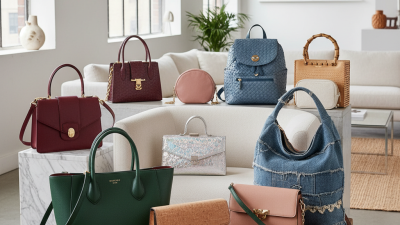
For markets serving students or casual buyers, lightweight shoulder bags and simple backpacks may offer broader everyday use. Compare lining quality, seam consistency, hardware, and packed dimensions across samples. Then check whether the cost still works at the planned order quantity. It is tempting to choose many styles at once, but that can leave slow-selling colors on the shelf. A smaller test order is often wiser, though it may not reveal every seasonal preference.