CONTACT US NOW
Get A Free Inquiry Now

What Are Designer Faux Leather Bags?

Designer Faux Leather Bags are handbags made without animal hide, yet “faux leather” does not describe one single material. Many use polyurethane (PU) or PVC coatings on a fabric base; others use newer plant-derived blends. Their look can range from smooth, glossy finishes to pebbled surfaces that resemble full-grain leather. The label alone tells you little about durability or environmental impact. Details matter.

Fashion activist and author Orsola de Castro has said, “The most sustainable garment is the one already in your wardrobe.” Her point offers a useful lens for evaluating a bag: consider how long you will use it, not just what it is made from. A strong handle attachment, even stitching, neatly finished edges, and a lining that resists tearing can matter in daily wear. Check the care instructions, too. Heat and harsh cleaners may damage some coated materials.

Not all alternatives age gracefully. Some can crack or peel, and repair options may be limited. A lower price is not proof of poor quality, just as a premium label is not proof of better construction. Look for clear material descriptions and inspect stress points, such as strap joins and zipper ends. Small details count. This guide explains what Designer Faux Leather Bags are, how common materials differ, and what to check before choosing one. There is no perfect choice. A thoughtful purchase still requires trade-offs.

What Are Designer Faux Leather Bags?

Definition and Key Characteristics of Designer Faux Leather Bags

Designer faux leather bags are fashion bags made with a leather-like material rather than animal hide. The surface is commonly polyurethane or PVC over a textile backing, though materials and construction differ. “Designer” usually points to intentional styling, considered proportions, and finishing details. It does not guarantee a particular level of durability.

Look closely at the seams, handles, lining, and edge paint. Even stitching and firmly attached hardware can suggest careful construction. A soft, grain-like texture may resemble leather, while a coated surface often feels smoother or slightly cool. Small details matter. Still, the label can be vague, so inspect the bag itself rather than relying on the name alone.

Performance varies. Repeated friction may cause peeling, especially around corners and straps, and heat can affect some coatings. Wipe the surface with a soft, damp cloth, then let it air-dry. Avoid harsh cleaners unless the care instructions allow them. One trade-off is easy to overlook: a bag may look polished but feel less breathable than leather. Check its weight, handle comfort, and interior space before choosing it for daily use.

Materials Used in Faux Leather Bag Construction

Designer faux leather bags usually pair a coated surface with a textile backing. The coating is commonly polyurethane (PU) or polyvinyl chloride (PVC), while the backing may use polyester, cotton, or a blend. PU often feels softer and more flexible; PVC can feel firmer and smoother. But feel alone does not reveal construction quality.

The backing matters. It supports seams, handles, and corners where daily wear shows first. Textile Exchange’s Materials Market Report 2024 estimates global fiber production reached 124 million tonnes in 2023, with polyester making up 57 percent. That figure helps explain why synthetic textiles are common in bag construction, though it does not describe any single bag’s footprint. Check the product label for coating and lining details.

Some materials combine recycled fibers with PU, or use plant-derived content in part of the coating. “Bio-based” does not automatically mean biodegradable. It can also refer to only one ingredient. Details matter. A close look at a cut edge may reveal the layers, but not the full formulation. Ask for specific material disclosures; vague terms like “vegan leather” tell you little about durability or composition. One caveat: coatings and finishes vary, so two bags with similar names may age very differently. Textile Exchange, Materials Market Report 2024.

What Are Designer Faux Leather Bags? – Materials Used in Faux Leather Bag Construction

Bag Component Common Materials Purpose in Construction Typical Characteristics
Outer surface Polyurethane (PU) coating or polyvinyl chloride (PVC) coating Creates the smooth or textured surface designed to resemble leather and helps protect the fabric backing. PU is often chosen for its flexible feel. PVC can provide a firm, wipe-clean surface. Properties vary by formulation and finish.
Base fabric Woven or knitted polyester, cotton, or a polyester-cotton blend Supports the surface coating and contributes to the bag’s strength, flexibility, and shape. The backing is generally hidden from view. Its weave, weight, and construction influence how the finished material handles.
Microfiber synthetic leather Fine polyester fibers combined with a polyurethane binder or surface layer Provides a more uniform, leather-like material structure for some bag designs. Can be soft and flexible, but quality and performance depend on the fiber structure, coating, and manufacturing process.
Lining Polyester, nylon, cotton, or blended textile Covers the inside seams, protects the contents, and gives the interior a finished appearance. May be lightweight or more durable depending on the bag’s intended use and construction.
Interlining and reinforcement Nonwoven fabric, woven interfacing, foam, or stiffening sheets Helps panels retain their shape and reinforces areas such as the base, handles, and closures. Soft interlining adds flexibility; firmer inserts help create a structured silhouette.
Stitching thread Polyester or nylon thread Joins panels and attaches details such as pockets, straps, and handles. Thread thickness and stitch density affect seam strength and appearance.
Fasteners and hardware Zippers, steel or zinc-alloy clasps, rings, buckles, and snaps Provides closures and attachment points for straps and other functional parts. Finish and metal composition vary. Hardware weight and construction can affect durability and overall bag weight.
Adhesives and edge finishing Material-specific adhesives, edge paint, folded edges, or stitched bindings Secures layers and finishes exposed edges for a cleaner appearance. Suitable products depend on the coating and backing; care requirements differ among finishes.

In brief: Faux leather is a manufactured material, not animal hide. A faux leather bag commonly combines a coated textile outer material with lining, reinforcement, stitching, and hardware. Exact materials and performance vary by product; “designer” describes a design or market category, not a specific material standard.

Design Features and Common Bag Styles

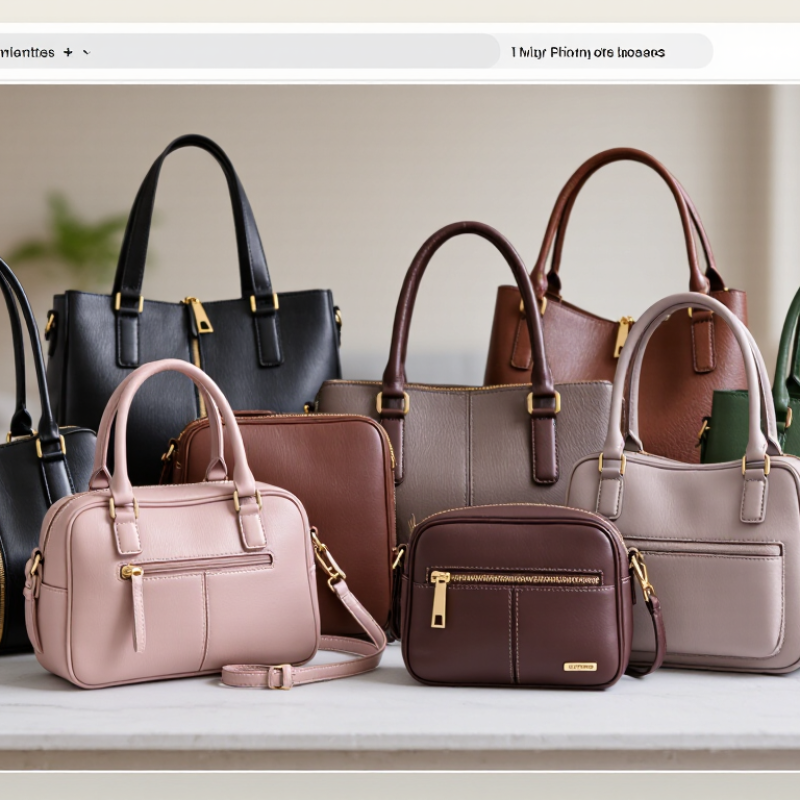
Designer faux leather bags are defined less by a single material than by their finish and construction. Their surfaces may imitate pebbled leather, smooth calfskin, or a subtle sheen. Look closely at edge paint, even stitching, lining, and hardware. These details shape how polished a bag feels. The imitation is not always convincing up close.

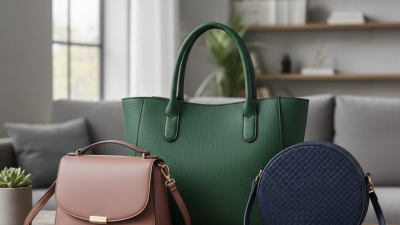
Common styles include structured top-handle bags, soft shoulder bags, crossbody designs, totes, and compact clutches. A top-handle shape often uses firm panels to hold its outline, while a slouchy shoulder bag relies on softer construction. Crossbody bags usually add an adjustable strap and practical compartments. Tote designs favor open space, though an unsecured interior can make small items hard to find.

Material choices vary. Polyurethane-coated fabrics can feel flexible, while other finishes may be stiffer; care needs differ, so check the maker’s instructions.

Market context is growing: Grand View Research valued the global vegan leather market at $39.5 billion in 2023 and projected 9.5% annual growth through 2030. That figure covers multiple applications, not bags alone. A high price does not guarantee better construction. Check strap attachment points and zipper movement before choosing.

How Designer Faux Leather Bags Are Made

How Designer Faux Leather Bags Are Made

A designer faux leather bag begins with a textile backing, often woven or knitted polyester. The backing gives the material strength and helps it hold its shape. Textile Exchange’s Materials Market Report 2024 estimates that global fiber production reached 124 million tonnes in 2023, with polyester making up 57 percent. That figure describes the wider fiber market, not faux leather alone, but it helps explain why polyester is a common backing choice.

Next, manufacturers apply a polymer coating, commonly polyurethane or PVC, to the fabric. They may spread it directly onto the backing or transfer it from a textured release paper. Heat cures the layers; rollers or patterned paper create the grain. A final surface coat can add color, sheen, or resistance to scuffs. Small details matter. Too much coating can make a panel stiff, while too little may leave it vulnerable to wear.

The finished material is inspected, then cut into panels for the bag. Workers or machines stitch those panels around linings, foam, zippers, and hardware. Quality checks may test color consistency, seam strength, and coating adhesion. The process is less tidy than a product page suggests: finishes can vary between batches, and “faux leather” does not identify one fixed recipe. Buyers and makers should check the material specification, not rely on the label alone.

Quality, Durability, and Care Considerations

Designer faux leather bags can look polished, but their quality depends on more than appearance. The material may be polyurethane or PVC, and the backing fabric, coating thickness, stitching, and edge finishing all affect how a bag performs. Check seams around handles and corners, where strain and rubbing often show first. A smooth surface is not proof of strong construction. That matters.

Durability varies with use. A lightly carried bag may stay presentable for years, while daily friction, overfilling, and repeated bending can cause peeling or cracked edges. Faux leather does not usually respond to conditioning oils like animal leather; some products may even damage its coating. Wipe marks with a soft, slightly damp cloth, then let the bag air-dry away from radiators and direct sunlight. Avoid harsh cleaners, and test any cleaner on a hidden spot first. Simple care helps.

Store the bag empty, loosely filled with clean paper, and away from damp closets. Do not fold it tightly for long periods. Even with careful handling, the finish can wear unevenly, and that can be disappointing. Inspecting the care label and checking construction before purchase are more reliable than assuming a high price guarantees longevity.