Top 10 Vegan Designer Bags You Need to Know About?
The rise of Vegan Designer Bags reflects a significant shift in consumer preferences. As sustainability becomes essential, many brands pivot toward cruelty-free materials. A recent report by Grand View Research highlights a projected growth of 10.6% annually in the vegan accessories market. This shift indicates a strong demand for stylish, yet ethical options.
Industry expert Sarah McCarthy emphasizes the importance of this trend: "Vegan Designer Bags are not just a trend; they're a commitment to responsible fashion." Her insight underscores how consumers increasingly value both style and ethics. Luxury brands are now exploring innovative materials, such as Piñatex and mushroom leather, challenging traditional notions of fashion.
However, the market still faces challenges. The definition of vegan materials varies widely, leading to confusion. Some products claim to be vegan but lack transparency regarding their sourcing. As shoppers become discerning, it’s crucial for brands to ensure authenticity in their vegan claims. This ongoing evolution presents an exciting, albeit imperfect, journey towards a more sustainable fashion future.
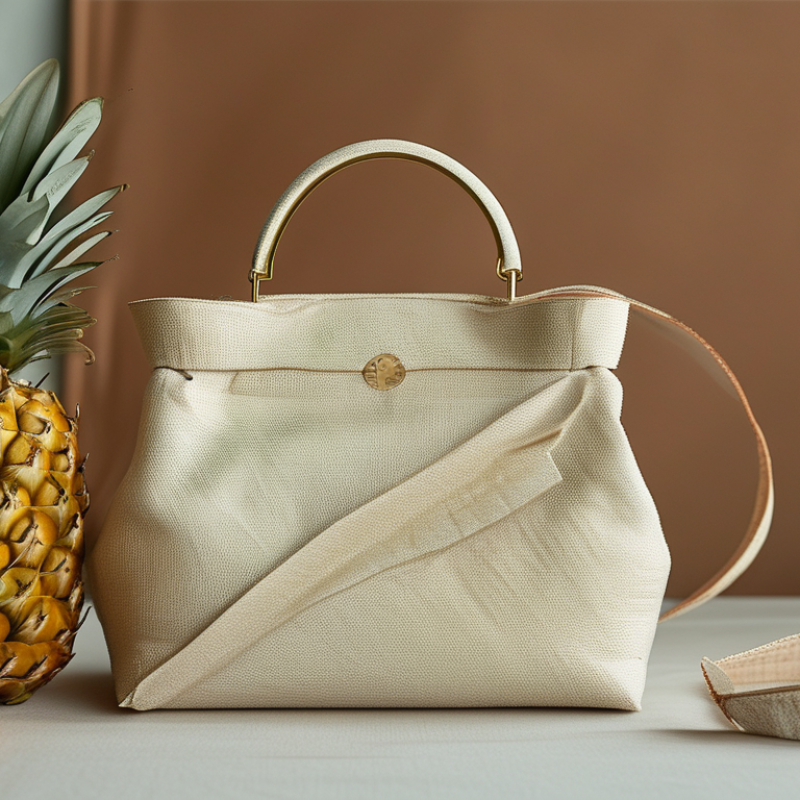
The Rise of Vegan Fashion in the Designer Bag Industry
Vegan fashion is gaining momentum in the designer bag industry. A significant shift is happening as consumers seek ethical alternatives. This movement reflects a broader awareness of environmental sustainability and animal rights. Many designers now prioritize cruelty-free materials. Innovations in vegan leather and sustainable fabrics are emerging rapidly.
The appeal of vegan designer bags lies beyond ethics. These bags cater to a growing market craving stylish yet responsible choices. Each bag often tells a unique story of material sourcing and production practices. Shoppers are increasingly interested in how their purchases impact the planet. However, the availability of high-quality vegan options varies widely. Consumers need to research brands to ensure genuine commitment.
Despite the progress, some challenges remain. The vegan label can be misleading; not all products are equally sustainable. It's essential to approach this market with a critical eye. Understanding the materials and manufacturing processes is crucial. The rise of vegan fashion represents a significant societal change, yet it also requires reflection on consumer habits.
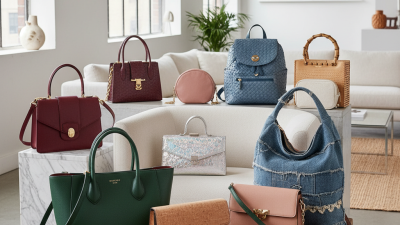
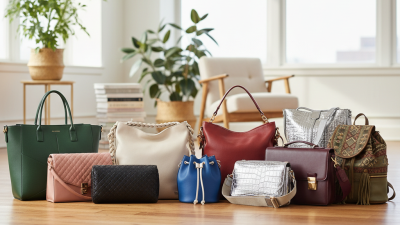
Top 10 Vegan Designer Bags
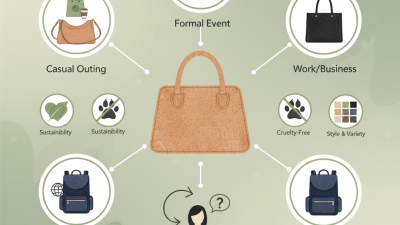
This bar chart showcases the most important factors influencing the popularity of vegan designer bags. Sustainability and brand ethics lead the way, highlighting the growing consumer demand for environmentally friendly fashion options.
Key Materials Used in Vegan Designer Bags
When exploring vegan designer bags, understanding key materials is essential. Many bags use innovative textiles that mimic leather without animal products. Common materials include PU leather, which is made from polyurethane. This synthetic option is popular due to its durability and ease of cleaning. It can often look and feel like real leather, making it a favorite for those seeking a stylish yet ethical choice.
Another material gaining traction is pineapple leather, derived from the fibers of pineapple leaves. This eco-friendly alternative is not only biodegradable but also adds a unique texture to bags. There are also options made from recycled plastics, showcasing a commitment to sustainability. These materials can help reduce waste while providing fashionable choices.
While these materials have many benefits, they are not without their downsides. Some vegan leathers can wear out quicker than traditional leather. This may lead to more frequent replacements. It’s important for consumers to consider longevity when investing in vegan products. Balancing style and sustainability requires careful thought, ensuring choices align with both values and practical needs.
Top Brands Leading the Vegan Designer Bag Movement
The vegan designer bag movement is gaining momentum. Many brands are stepping up to meet consumer demands for ethical and sustainable fashion. This shift reflects a growing desire for cruelty-free alternatives. Designers are now using innovative materials that do not involve animal harm. This is crucial for those passionate about holding onto their values while looking stylish.
Several top brands are leading the charge. They showcase beautiful craftsmanship and attention to detail. Many bags feature unique textures and colors, often made from recycled or plant-based materials. This creativity challenges the stigma around vegan fashion. It proves that consumers do not have to sacrifice aesthetics for ethics.
While the progress is commendable, there are challenges. Some consumers still view vegan products with skepticism. Not all options are widely available or affordable. Others worry about durability compared to traditional leather. As brands innovate, they must address these concerns. Open and honest conversations will enhance trust in vegan products.
Features to Consider When Choosing a Vegan Designer Bag
When selecting a vegan designer bag, material quality plays a crucial role. High-quality vegan leather mimics the look and feel of traditional leather. Research shows that the global vegan leather market is expected to reach $85 billion by 2027. This growth reflects the increasing consumer demand for sustainable fashion alternatives. However, not all vegan leathers are created equal. It's essential to research the materials used. Seek bags made from plant-based sources like pineapple leather or cork. These materials offer durability without compromising ethics.
Another vital consideration is functionality. Think about how you will use the bag. Look for functionalities like pockets, detachable straps, and closable zippers. A 2022 report noted that 57% of consumers prioritize utility in their accessories. Comfort should not be overlooked either. A heavy bag can cause strain, especially if it’s not ergonomically designed. Finally, consider brand transparency. Sustainable practices and ethical sourcing can be indicators of quality. However, brands with vague disclosures may warrant further scrutiny. A thoughtful approach to choosing your vegan designer bag enhances both your style and your values.
Trends and Innovations in Vegan Designer Bag Designs
Vegan designer bags are gaining momentum, reflecting a shift towards sustainability. Innovations in materials like apple leather, cork, and recycled plastics are reshaping the fashion landscape. These materials not only reduce environmental impact but also provide unique textures and colors, setting them apart from traditional leather.
When considering a vegan designer bag, pay attention to craftsmanship. Look for quality stitching, durable closures, and thoughtful design. These elements enhance their lifespan. Consider the bag's versatility too. A good design should transition effortlessly from day to night.
Tips: Choose bags with linings made from recycled fabrics. This gives a second life to materials often discarded. Reflect on your needs—how often will you use the bag? Investing wisely is key. Embrace styles that align with your fashion sense while supporting ethical practices.