CONTACT US NOW
Get A Free Inquiry Now

Why Choose a Leather Travel Bag for Global Sourcing?

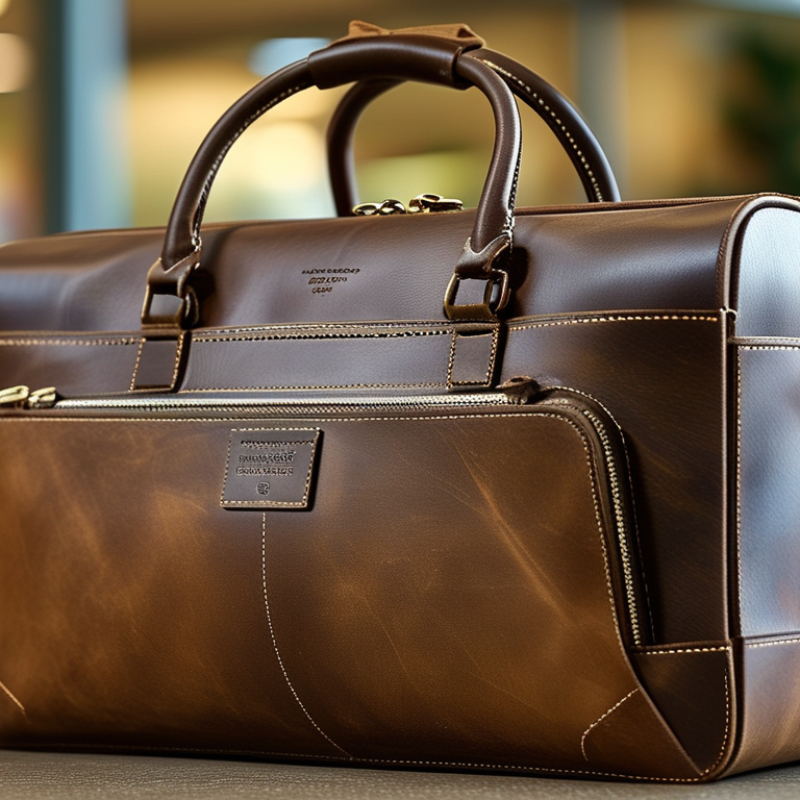
A Leather Travel Bag can be more than a container for passports, samples, and clothing. For global sourcing professionals, it becomes a dependable working tool. A well-made bag protects documents during airport transfers, long train journeys, and unexpected weather. Its structured compartments can separate contracts, tablets, chargers, and small product swatches.

Leather designer Bill Amberg captures the material’s appeal simply: “Leather gets better with age.” This quality matters when buyers visit factories across several countries. Full-grain leather often develops a deeper patina from handling, while strong stitching and reliable hardware support repeated travel. The details are practical. A reinforced handle should feel firm. Zippers should move smoothly. The shoulder strap should remain comfortable after hours of walking.

Still, leather is not automatically the best choice. Weight can become tiring. Poorly sourced leather may raise ethical and environmental concerns. Buyers should ask about traceability, tanning methods, supplier audits, and repair policies. These checks support responsible purchasing and reduce avoidable risks. A polished appearance alone proves little.

My experience with travel goods suggests that durability is felt in small moments: a bag standing upright beside a hotel desk, a padded laptop sleeve closing without pressure, or a strap surviving a crowded terminal. However, personal preference remains important. Some travelers may prefer recycled materials or lighter textiles. The right Leather Travel Bag should match the journey, sourcing demands, budget, and values of its owner. It is a long-term choice, not merely an attractive accessory.

Why Choose a Leather Travel Bag for Global Sourcing?

Definition and Role of Leather Travel Bags in Global Sourcing

A leather travel bag is a portable carryall made from treated animal hide, usually designed for short business trips. In global sourcing, it serves more than a practical storage function. It carries product samples, fabric swatches, notebooks, contracts, and electronic devices between factories, trade meetings, and transport hubs.

From my experience visiting suppliers, a well-structured bag reduces small but costly problems. Separate compartments keep samples flat and documents readable. Strong handles support frequent movement through crowded terminals. Full-grain or carefully finished leather can also resist light rain and repeated handling, although no leather bag is completely weatherproof. That detail is easy to overlook.

A leather travel bag can influence professional presentation. It suggests organization without replacing real supplier evaluation. Buyers still need to check stitching, hardware strength, lining quality, material traceability, and production consistency. A polished exterior cannot correct weak workmanship. I have seen attractive bags develop loose seams after limited use, so appearance should never be the only selection factor.

The bag also supports communication during global sourcing. Its compact design makes product information easier to access during a factory discussion. This can save time when comparing dimensions, colors, packaging, or delivery requirements. Still, carrying too many samples creates unnecessary weight. A better approach is selective packing and regular inspection before each journey. The ideal bag is durable, practical, and appropriate for responsible business travel.

Key Features That Support International Business Travel

Why Choose a Leather Travel Bag for Global Sourcing?

International sourcing requires frequent movement between airports, showrooms, factories, and meetings. The Global Business Travel Association reported global business travel spending reached about 1.48 trillion dollars in 2024. A dependable bag is therefore practical equipment, not merely an accessory.

Leather supports this routine through strength and structure. A well-made leather travel bag can protect documents, sample folders, chargers, and a laptop during repeated handling. Interior dividers keep a passport wallet separate from invoices and small tools. A padded laptop sleeve adds protection, while a trolley sleeve reduces strain during airport transfers. Small details matter.

Fast access helps too. Exterior pockets can hold boarding documents and a phone. A wide opening makes security checks less frustrating. IATA’s 2024 Global Passenger Survey found that 75% of travelers prefer biometric identification where available, showing how strongly passengers value smoother airport processes. A bag should support that speed, not create clutter.

Leather is not perfect. It can be heavy, expensive, and sensitive to rain without proper treatment. That weakness deserves attention. Choose reinforced handles, reliable zippers, balanced weight, and water-resistant finishing. In my experience, a beautiful bag becomes inconvenient when it lacks a stable base or comfortable shoulder strap. For global business travel, function must remain visible in every stitch.

Why Choose a Leather Travel Bag for Global Sourcing? - Key Features That Support International Business Travel
The figures below are practical reference ranges for business travel bags; actual capacity, weight, and airline acceptance depend on the bag design, materials, packing method, and carrier requirements.
Key Feature Typical Data or Range Business Travel Benefit Global Sourcing Relevance Practical Assessment
Full-Grain or Top-Grain Leather Common thickness: approximately 1.2–2.0 mm Offers a structured exterior, abrasion resistance, and a professional appearance that can develop a natural patina over time. Supports repeated travel between supplier meetings, trade fairs, offices, and hotels without relying on a casual-looking soft bag. High suitability
Business-Trip Capacity Approximately 20–35 liters Can accommodate clothing for a short trip, documents, chargers, toiletries, and selected samples. Useful for buyers who need to move efficiently between sourcing appointments while keeping essential work materials close at hand. Best for 1–3 days
Laptop Protection Padded compartments commonly fit 13–16-inch laptops Separates a laptop from clothing and other contents, reducing contact with external surfaces and loose accessories. Helps maintain access to supplier specifications, quotations, purchase orders, video calls, and digital presentations. Check device dimensions
Document Organization 2–4 internal sections or dedicated sleeves Keeps passports, contracts, invoices, product sheets, receipts, and notebooks easier to locate. Improves document control when handling samples, compliance files, price lists, and meeting notes across multiple markets. High convenience
Carry-On Compatibility Many cabin bags are designed near 55 × 40 × 20 cm, but limits vary Allows the bag to be considered for cabin travel on many routes when its packed dimensions meet the airline’s rules. Reduces the risk of separating important documents, electronics, or samples from the traveler during a short international trip. Verify each airline
Typical Empty Weight Approximately 1.5–3.0 kg for a leather weekender or business holdall Provides a realistic basis for calculating the remaining packing allowance under airline weight limits. Important when carrying catalogs, prototypes, product samples, or technical materials in addition to personal items. Moderate consideration
Handles and Detachable Shoulder Strap 2 carrying modes Supports hand carrying for formal meetings and shoulder carrying when walking through airports or trade-show venues. Offers flexibility during long transit days that combine taxis, rail connections, airport security, and exhibition halls. Highly practical
Metal Hardware and Reinforced Stress Points Reinforcement commonly placed at handles, seams, corners, and strap attachments Helps distribute load at the areas most exposed to pulling, lifting, and repeated handling. Relevant for frequent international travel where the bag may be placed under seats, in overhead compartments, or in vehicle trunks. Inspect construction
Water-Resistant Surface Treatment Provides short-term protection from light rain and incidental splashes; not fully waterproof Helps protect contents during brief transfers between airports, hotels, factories, and meeting locations. Useful across regions with changing weather, but documents and electronics should still be stored in protective sleeves. Useful with limitations
Zippered Main Compartment Full-length closure with lockable zipper pulls on some designs Helps keep clothing, documents, and small accessories contained during movement and transit. Provides additional organization and basic security when moving through busy airports, hotels, and public transportation. Recommended
External Access Pocket 1–3 quick-access pockets Provides convenient access to boarding passes, identification, pens, business cards, or charging cables. Reduces the need to open the main compartment during check-in, security screening, supplier visits, and conference registration. High convenience
Maintenance Requirements Conditioning often recommended every few months, depending on use and climate Regular cleaning and conditioning can help reduce drying, staining, and surface cracking. Supports a consistent professional presentation when the bag is used across different climates and travel schedules. Plan routine care

Leather Quality, Durability, and Functional Design Factors

Why Choose a Leather Travel Bag for Global Sourcing?

Leather Quality, Durability, and Functional Design Factors

A leather travel bag earns attention through material quality, construction, and practical design. In global sourcing, these details influence product lifespan and customer satisfaction. Full-grain leather usually retains natural texture and develops character over time. Corrected-grain leather can look uniform, but surface treatment may hide weaker areas. Ask suppliers about leather thickness, tanning methods, and surface finishing. Do not trust appearance alone.

A practical inspection should examine seams, edges, handles, and hardware. Tight stitching reduces stress around handles and shoulder straps. Reinforced corners help the bag survive airport floors and crowded transport. Edge paint should remain smooth without visible cracks. Metal hardware must open cleanly and resist light pressure. Request a pre-production sample and test it with realistic weight. Small flaws often appear after repeated handling.

Function matters. A wide opening makes packing easier, while padded laptop storage protects valuable equipment. Interior pockets should hold passports, chargers, and documents without creating bulk. A trolley sleeve can reduce shoulder strain during transfers. Removable straps improve carrying flexibility. Weight deserves careful attention. I once favored thick leather, assuming it meant better quality. The bag looked impressive, but it became tiring after several hours. Now I compare durability with total carrying weight. Leather also changes with moisture, friction, and neglect. Suppliers should provide clear care instructions, though some recommendations may feel inconvenient. No bag stays perfect.

How to Select the Right Bag for Sourcing Requirements

Why Choose a Leather Travel Bag for Global Sourcing?

Selecting a leather travel bag begins with the sourcing schedule, not its appearance. A buyer visiting several suppliers may carry contracts, material swatches, a tablet, chargers, and small product samples. The bag should protect these items without becoming heavy after a full day. Measure twice. Check the interior length, laptop sleeve size, handle drop, and strap adjustment before ordering.

Leather can offer strong abrasion resistance and a professional appearance, but quality varies widely. Inspect the grain, stitching density, edge finishing, and lining attachment. Pull the handles gently. Loose threads or uneven seams may signal weak construction. I once selected a handsome bag with poor internal organization. It looked suitable during a showroom visit, yet documents became difficult to find during factory meetings.

Sourcing requirements also include travel conditions and maintenance. Choose secure closures for crowded airports, reinforced corners for frequent handling, and removable straps for flexible carrying. A lighter leather or blended construction may suit air travel better than thick, rigid leather. Ask for material specifications, care instructions, production samples, and quality inspection records. Confirm that the supplier can reproduce color, dimensions, and hardware consistently across batches. Do not rely only on photographs. A sample can reveal odor, stiffness, inaccurate measurements, or uncomfortable weight. Allow space for unexpected samples. That detail is easy to overlook.

Care, Sustainability, and Long-Term Value Considerations

A leather travel bag can age well, but only when its care matches its material. Before purchasing, ask for hide origin, tanning method, repair options, and wastewater controls. Traceability matters more than a polished surface. FAO’s Tackling Climate Change Through Livestock (2013) estimates livestock supply chains account for 14.5% of human-caused greenhouse-gas emissions. This figure does not measure the bag itself, and leather’s by-product status still needs careful verification.

During travel, wipe dust with a soft, dry cloth and let damp leather dry naturally. Never place it beside a heater. Use a small amount of conditioner every few months, after testing a hidden area. Over-conditioning can darken leather and weaken its finish. Repair a loose stitch or damaged zipper early, rather than waiting for a major failure. These habits reduce replacement demand.

Textile Exchange’s Materials Market Report 2024 estimates global fiber production reached 124 million tonnes in 2023. Polyester represented about 57% of that volume. The comparison is imperfect because leather is not a fiber. It still shows why material choice should include lifespan, not only purchase price. A 240-dollar bag used for 600 trips costs 40 cents per trip before repairs. Yet this calculation can flatter leather. Heavy construction, poor tanning, and difficult repairs can quickly erase the advantage.