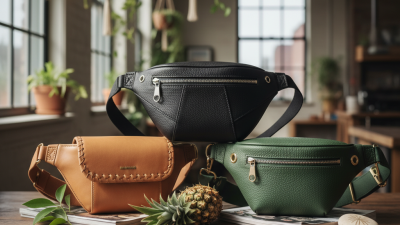
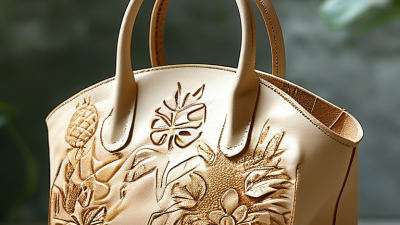
What is Vegan Leather Purse and Why Choose It?
The Vegan Leather Purse has become a popular choice for conscious consumers. This trend reflects a growing awareness of ethical fashion. Unlike traditional leather, vegan alternatives often use synthetic materials or plant-based substances, promoting sustainability.
Choosing a Vegan Leather Purse means embracing style without compromising ethics. Many brands are dedicated to creating high-quality, stylish purses that are cruelty-free. However, the definition of "vegan" can vary. Not all vegan leathers are environmentally friendly, and some may still have a significant carbon footprint. It’s vital to research materials used in these purses.
Consumers often face a dilemma. The allure of a beautiful design may overshadow concerns about sustainability. Alternatively, the commitment to ethical choices may lead to sacrificing style or functionality. This ongoing conversation highlights the complexity of fashion choices today, encouraging deeper reflection on our values and spending habits.

Definition of Vegan Leather Purse: What Sets It Apart?
Vegan leather purses have emerged as a popular alternative to traditional leather. They are made from synthetic materials or plant-based substances. This makes them cruelty-free and often more sustainable. A report by Statista indicates that the vegan leather market is expected to reach $85 billion by 2025. This reflects a growing demand for ethical fashion choices among consumers.
What sets vegan leather purses apart is their environmental impact. Traditional leather production is resource-intensive, requiring significant water and energy. A study by the UNEP notes that leather tanning releases harmful chemicals, causing environmental degradation. In contrast, many vegan leathers use recycled materials or innovative resources like mushrooms or pineapple fibers. This makes them more eco-friendly options.
However, vegan leather is not without its shortcomings. Some synthetic materials can still contribute to plastic pollution. The durability of vegan leather may vary, raising concerns about longevity. As consumers become more conscious of their choices, understanding the differences is essential. The quest for sustainable fashion continues, and vegan leather purses represent a step towards a more ethical industry.
Types of Materials Used in Vegan Leather Production
Vegan leather purses are made without animal products. They offer a cruelty-free alternative to traditional leather. A wide range of materials can be used to produce vegan leather. Understanding these materials can help consumers make informed choices.
Polyurethane (PU) is one of the most common materials. It is versatile and can mimic the look and feel of leather. Another popular alternative is pineapple leather, made from the fibers of pineapple leaves. This option is sustainable and biodegradable. Other sources include cork, apple peels, and recycled plastic. Considering the environmental impact is crucial.
Many reports suggest that synthetics can emit greenhouse gases during production. Biodegradable options like pineapple leather may help reduce this impact. Choosing the right vegan leather can both support sustainability and align with personal values.
When selecting a vegan purse, ask about its durability and origin. Not all vegan leathers are created equal. Research the environmental certifications of the materials. This can ensure your choice is better for the planet. Rethinking your purchase choices can lead to a more sustainable lifestyle.
Benefits of Choosing Vegan Leather Over Traditional Leather
Vegan leather purses are a stylish and ethical alternative to traditional leather. They are made from synthetic materials or plant-based sources, such as cork or pineapple leaves. Choosing vegan leather reduces reliance on animal products. It aligns with a more sustainable lifestyle.
One significant benefit of vegan leather is its environmental impact. Traditional leather production involves harmful processes. It uses toxic chemicals that can pollute land and water. In contrast, vegan leather options can be more eco-friendly, depending on the materials used. However, not all vegan leathers are created equal. Some may still pose environmental challenges. Researching the production practices is essential.
Another aspect to consider is durability. Vegan leather can mimic the texture and look of real leather. Yet, some varieties may wear out faster, especially lower-quality options. It's important to evaluate your needs based on usage. Ultimately, the choice comes down to personal values and priorities. Choosing vegan leather reflects a commitment to compassionate living.
Benefits of Vegan Leather vs Traditional Leather
Eco-Friendly Aspects of Vegan Leather Products
Vegan leather purses offer an innovative alternative to traditional leather. Made from materials like polyurethane or plant-based sources, they align with eco-conscious values. A report from Grand View Research indicates that the global vegan leather market is expected to reach $89 billion by 2025. This rapid growth reflects changing consumer preferences toward sustainable products.
The environmental benefits of vegan leather are significant. Traditional leather production is resource-intensive, requiring vast amounts of water and land. In contrast, many vegan leathers use less water and are often produced using less harmful chemicals. According to a study published in the Journal of Cleaner Production, vegan leather can reduce CO2 emissions by approximately 80% compared to animal leather. This shift plays a crucial role in combating climate change.
That said, not all vegan leather products are created equal. Some may still have a high environmental impact due to the production methods or materials used. Consumers must research and choose brands committed to sustainability. The challenge lies in balancing eco-friendly goals with personal style and durability. Finding the right vegan leather purse involves careful consideration and critical thinking about the materials and their impact.
Care and Maintenance Tips for Vegan Leather Purses
Caring for vegan leather purses is essential to maintain their appearance and longevity. Unlike traditional leather, vegan leather often uses synthetic materials like polyurethane or polyethylene. While these materials can be durable, they also require specific care. Regular cleaning is vital. A simple wipe with a damp cloth can remove surface dust. For deeper cleaning, a mild soap solution is often effective. According to a report by Allied Market Research, the vegan leather market is projected to reach USD 85 billion by 2025. This growth highlights the increasing demand for sustainable alternatives.
Protecting vegan leather from extreme temperatures is also crucial. Excessive heat can lead to deformation, while cold can cause cracking. Storage is key; keeping purses in a breathable bag away from direct sunlight helps maintain their structure. A recent survey by Grand View Research emphasized that 67% of consumers prefer vegan materials for ethical reasons. However, many do not research the care involved in preserving these products.
It’s important to reflect on the environmental impact of materials used in vegan leather. Not all vegan leathers are created equal. Some use less eco-friendly plastics. Therefore, consumers should research product compositions. Although many choose vegan leather for its ethical stance, the actual sustainability varies widely. Awareness can drive more informed choices in the growing market. Proper care and understanding of the materials can make a significant difference.