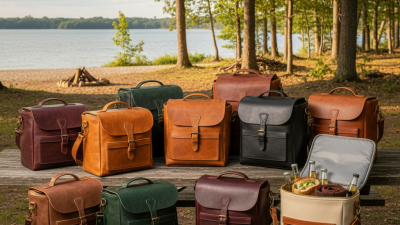
Discover our premium leather bag collection, designed for style and functionality. From chic purses, versatile tote bags, and sleek shoulder bags, to durable backpacks, stylish laptop bags, and compact makeup bags, we have it all. Explore luxurious duffel bags, practical belt bags, trendy sports bags, lunch bags, and pet bags.
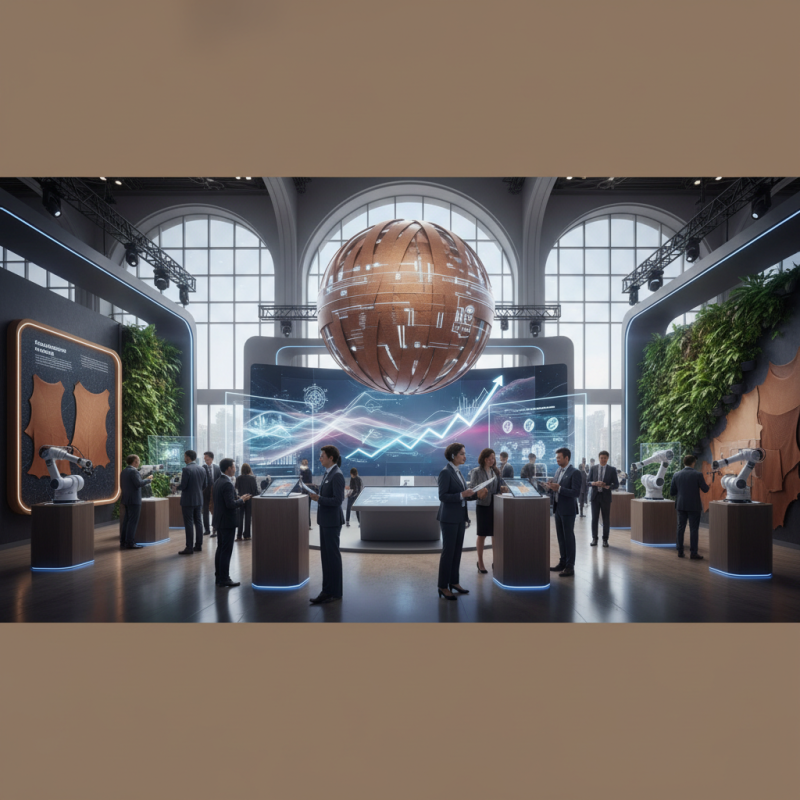
As the 2026 Canton Fair approaches, the spotlight on "Leather Ology" intensifies. This burgeoning field merges craftsmanship with technological innovation, bringing new trends to the forefront. Industry expert Dr. Jane F. Richards notes, "The integration of sustainable practices is reshaping Leather Ology." Reports indicate that the global leather market is projected to reach $500 billion by 2026, underscoring the sector's growth.
The Canton Fair will feature advanced tools, like AI-driven search functions, revolutionizing how businesses connect with suppliers. Buyers can efficiently locate vendors with specific certifications, boosting the efficiency within the expansive exhibit space. This increase in efficiency is crucial as competition rises in textile and leather markets.
Despite these technological advancements, challenges persist. Concerns about sustainability and ethical sourcing remain pressing. Industry leaders must address these issues to foster consumer trust. As we look toward the future of Leather Ology, it’s essential to strike a balance between innovation and responsibility. The upcoming fair may serve as a pivotal platform for these discussions.
The leather industry is experiencing significant innovations, particularly showcased at the 2026 Canton Fair. Many emerging trends are reflecting a strong commitment to sustainability and technology. A recent industry report indicated that 65% of leather consumers prefer eco-friendly materials. This trend pushes manufacturers to adopt greener practices and materials in production.
Technological advancements are also transforming leather processing. For instance, digital printing on leather has gained popularity. This method allows for intricate designs with minimal waste. According to research by the International Leather Association, digital technologies can reduce waste by up to 30%. However, the high cost of investment remains a barrier for many smaller producers.
Another innovative trend is smart leather products. With the rise of wearable technology, leather goods are being integrated with features like health monitoring. The potential is vast but raises questions about durability and user comfort. While these cutting-edge developments are exciting, the balance between tradition and innovation often feels precarious. It prompts a reflection on what the future of leather truly holds.
| Trend No. | Trend Name | Description | Innovative Aspect | Market Impact |
|---|---|---|---|---|
| 1 | Sustainable Tanning | Use of eco-friendly methods in leather production. | Reduction of chemical waste. | Increased consumer demand for green products. |
| 2 | Vegan Leather Alternatives | Innovative materials like mushroom and pineapple leather. | Opening new markets and demographics. | Appealing to vegan and eco-conscious consumers. |
| 3 | Smart Leather Products | Integration of technology in leather goods. | Wearable tech like Bluetooth connections. | Tech-savvy market expansion. |
| 4 | Customizable Leather Goods | Offers personalization options for consumers. | Enhancing customer experience. | Growing trend in consumer customization. |
| 5 | Biodegradable Leather | Leather alternatives that decompose after use. | Environmentally friendly solutions. | Potential to reduce landfill waste. |
| 6 | 3D Printed Leather Customization | Utilization of 3D printing technologies for leather goods. | Rapid prototyping and design flexibility. | Reduced production costs and time. |
| 7 | Leather and Tech Collaborations | Partnerships between leather manufacturers and tech firms. | Innovative product designs. | Access to a broader consumer base. |
| 8 | Enhanced Durability | Improvements in leather treatment processes. | Longevity of leather products. | Higher customer satisfaction. |
| 9 | Artisanal Leather Crafting | Emphasis on handcrafted leather goods. | Support local artisans. | Growing luxury market appeal. |
| 10 | Color and Texture Innovation | New dyeing techniques and surface finishes. | Creating unique product aesthetics. | Attracting fashion-forward consumers. |

The leather industry is undergoing a transformative shift. Sustainable practices are at the forefront of this change. During the 2026 Canton Fair, innovative technologies showcased how leather can be produced more responsibly. Natural dyes and eco-friendly tanning processes are becoming standard. These advancements minimize water usage and chemical runoff.
Even with these positive steps, challenges remain. The transition to sustainability can be costly for some producers. Not every manufacturer has the resources to adopt these practices immediately. Educating workers about new methods is essential but still a work in progress.
Moreover, consumer demand for ethical leather is growing, yet the market is complex. Shoppers often struggle to find transparent information about sourcing. There is still much work to be done in standardizing practices across the industry. Ultimately, the journey towards completely sustainable leather production will take time and collaboration among all stakeholders.
As technology evolves, its impact on leather design and manufacturing becomes increasingly significant. Advanced tools like 3D printing allow for intricate designs that were once impossible. A recent report from the Global Leather Market suggests that 47% of manufacturers have started adopting these technologies. This shift creates unique textures and patterns, redefining traditional leather aesthetics.
Moreover, sustainable practices are gaining traction. Innovations such as biodegradable synthetic leather or eco-friendly tanning processes are becoming mainstream. Recent statistics indicate that 35% of consumers now prefer sustainable leather options. However, the industry's reliance on technology has raised concerns about craftsmanship. Traditional skills risk being overshadowed as automation takes precedence.
Training new artisans to excel in both craftsmanship and technology is crucial. Yet, reports indicate that many young people are not drawn to the leather industry. The challenge lies in blending age-old techniques with modern innovation while preserving authenticity. Balancing these elements will define the future of leather at events like the 2026 Canton Fair.
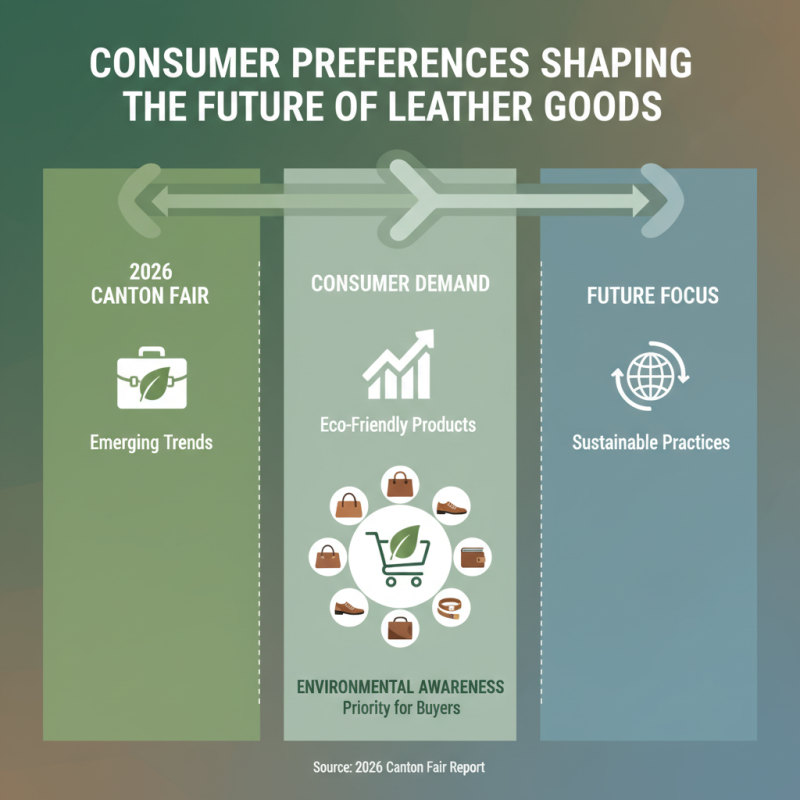
The 2026 Canton Fair promises to highlight emerging trends in leather goods. Consumer preferences are steering this evolution. Sustainable practices are now a priority for many buyers. They seek eco-friendly leather products, reflecting a growing awareness of environmental issues.
Tips for manufacturers: Embrace transparency in your sourcing. Customers appreciate knowing where materials come from. Another key preference is versatility. Customers want leather goods that fit various occasions. Consider designs that transition easily from day to night.
There’s a rising interest in personalization. Shoppers enjoy products that reflect their identity. Offering monogramming or custom colors can enhance appeal. However, balancing individuality and production efficiency can be a challenge. The demand for limited editions can strain resources and planning. Reflect on how to innovate without sacrificing quality or sustainability.
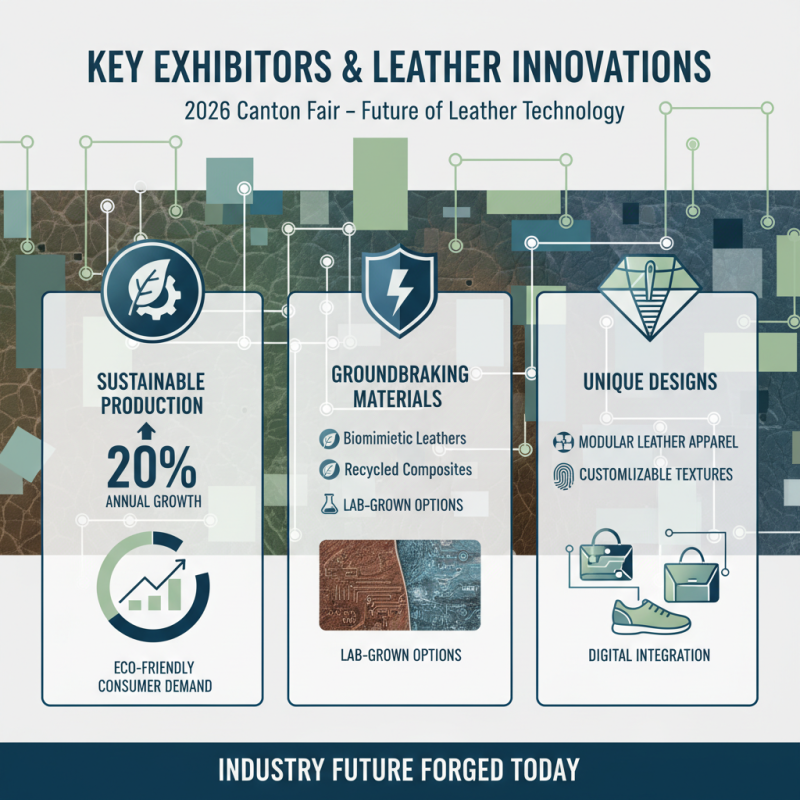
The 2026 Canton Fair showcased innovative trends in leather ology. Exhibitors highlighted remarkable advancements, setting the stage for the industry’s future. Groundbreaking materials and unique designs caught the attention of many buyers. According to industry reports, sustainable leather production is projected to grow by 20% annually. This surge reflects heightened consumer demands for eco-friendly products.
Several key exhibitors introduced alternatives to traditional leather. They focused on biodegradable and plant-based materials. Shifts toward circular economy concepts dominated discussions. One report indicated that 35% of buyers prioritize sustainability when choosing leather products. The fair featured interactive displays, allowing attendees to experience these innovations firsthand.
The journey toward greener leather remains challenging. Not all manufacturers can easily transition to sustainable practices. Price points for innovative materials can be high. Many attendees acknowledged the need for more education in the market. Some questioned if these new materials can truly replace conventional leather. These considerations urge a deeper reflection on the industry's path forward.