Top 10 Benefits of Choosing a Vegan Leather Purse for Sustainable Fashion
As sustainable fashion continues to gain traction, consumers are increasingly seeking alternatives to traditional leather products. One standout option gaining popularity is the "Vegan Leather Purse." According to the Global Vegan Leather Market Report, the industry is projected to reach $89.6 billion by 2025, demonstrating a significant shift toward sustainable materials. This growth is driven by a heightened awareness of animal welfare and environmental impact, as more individuals embrace ethical consumerism in their purchasing decisions.
Experts in the field, such as Dr. Sarah Collins, a noted sustainability advocate, emphasize the importance of choosing vegan alternatives. She states, “Choosing a Vegan Leather Purse not only reduces reliance on animal products but also mitigates the environmental damage associated with traditional leather production.” This statement encapsulates the core benefits of switching to vegan leather, which include lower carbon emissions and a reduced ecological footprint.
By opting for a Vegan Leather Purse, consumers not only make a fashion statement but also contribute to a more sustainable and ethical fashion industry. The combination of style, ethics, and environmental responsibility positions vegan leather as a compelling choice for the modern, conscientious shopper.
Benefits of Vegan Leather: Environmental Impact
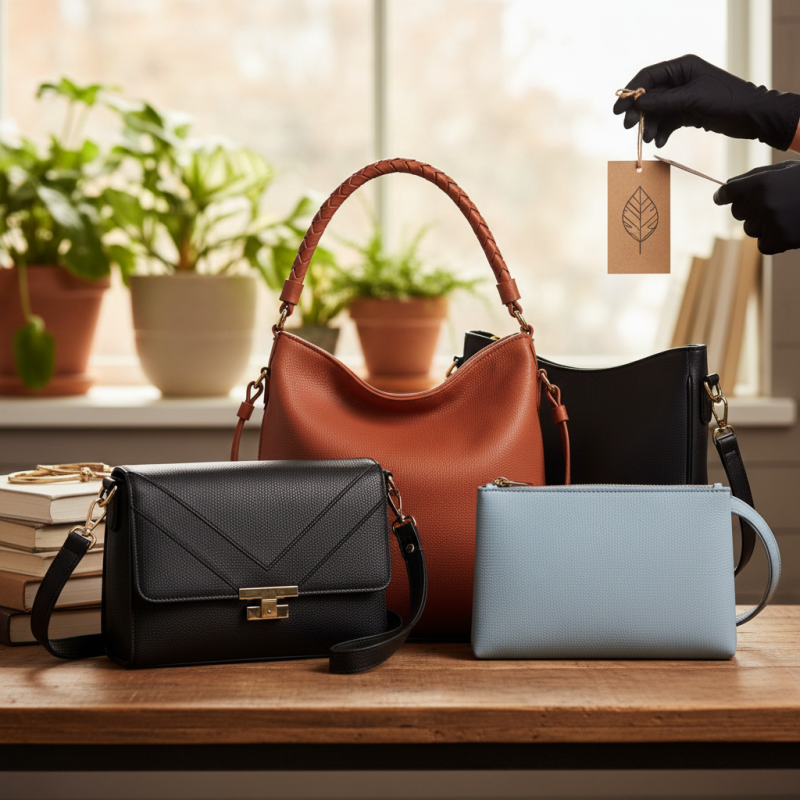
Vegan leather purses offer a multitude of benefits, especially when it comes to environmental impact. Traditional leather production is notoriously resource-intensive, relying on animal farming that contributes to deforestation, greenhouse gas emissions, and water pollution. In contrast, vegan leather is often made from sustainable materials like pineapple leaves, cork, or recycled plastics, significantly reducing the carbon footprint associated with fashion accessories. Choosing a vegan leather purse not only promotes animal welfare but also supports innovations in sustainable materials that are less harmful to our planet.
When selecting a vegan leather purse, consider opting for brands that prioritize eco-friendly production practices. Look for certifications that confirm the use of sustainable materials and ethical labor practices. Additionally, maintain your purse by cleaning it with natural products to extend its lifespan, reducing the need for replacements over time. By making thoughtful choices, you can enjoy stylish accessories while supporting ecological preservation.
Another tip is to explore second-hand vegan leather options. Thrift stores and online marketplaces often feature gently used vegan leather items, allowing you to make sustainable fashion choices while minimizing waste. This not only adds a unique touch to your wardrobe but also ensures that you're contributing to a circular economy that benefits the environment.
Top 10 Benefits of Choosing a Vegan Leather Purse for Sustainable Fashion
| Benefit |
Description |
Environmental Impact |
| Cruelty-Free |
No animals are harmed in the production of vegan leather. |
Promotes animal welfare. |
| Reduced Carbon Footprint |
Vegan leather typically requires less energy to produce compared to traditional leather. |
Lower greenhouse gas emissions. |
| Biodegradable Options |
Some vegan leathers are made from materials that can decompose naturally. |
Reduces landfill waste. |
| Diverse Material Sources |
Made from a variety of materials like cork, pineapple leaves, and apple peels. |
Encourages the use of sustainable resources. |
| Water Savings |
Vegan leather production often requires less water than traditional leather tanning. |
Conserves vital water resources. |
| Durability |
High-quality vegan leather is often resistant to wear and tear. |
Longer product lifespan reduces waste. |
| Versatile Styles |
Available in a wide range of colors and designs to suit personal style. |
Caters to diverse consumer preferences. |
| Lower Toxicity |
Production can involve fewer harmful chemicals compared to traditional leather tanning. |
Healthier production processes. |
| Ethical Production |
More manufacturers focus on ethical labor standards in vegan leather production. |
Supports fair labor practices. |
Durability and Maintenance of Vegan Leather Purses
Vegan leather purses have gained immense popularity as a sustainable fashion choice, particularly due to their impressive durability and low maintenance requirements. Unlike traditional leather, which is susceptible to wear and tear over time, vegan leather is crafted to withstand daily use, making it an ideal option for those seeking longevity in their accessories. With advancements in technology, many vegan leather materials now mimic the texture and appearance of genuine leather, offering a stylish yet resilient alternative.
Maintenance of vegan leather is relatively straightforward, requiring minimal effort to keep it looking fresh and pristine. Most vegan leather purses can be easily cleaned with a damp cloth, making them a practical option for busy lifestyles. Moreover, they often resist stains better than their leather counterparts, enhancing their longevity. As consumers increasingly prioritize sustainability in their fashion choices, the adoption of vegan leather products, particularly in the accessory sector, reflects a significant shift in values while promoting a more environmentally conscious approach to style.
Animal Welfare Considerations in Fashion Choices
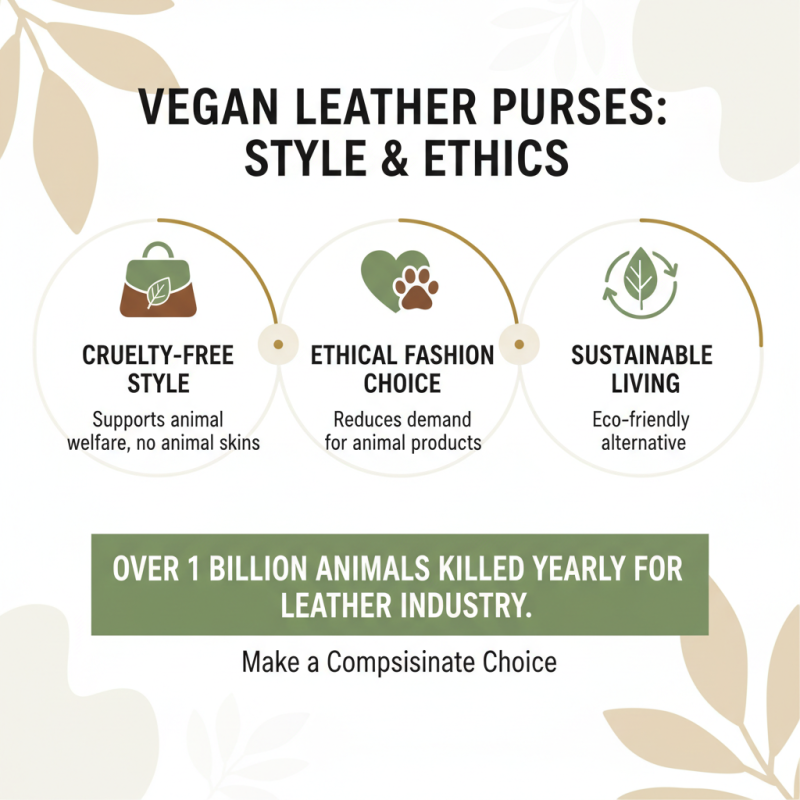
Choosing vegan leather purses not only enhances your style but also reflects a commitment to animal welfare, a crucial consideration in sustainable fashion. The leather industry has been criticized for its treatment of animals, with reports indicating that over 1 billion animals are killed each year for their skins. This includes cows, pigs, and even exotic animals, leading to serious ethical concerns. By opting for vegan leather, consumers can actively support animal rights, reducing demand for materials that contribute to animal suffering.
Moreover, the production of vegan leather often has a lower environmental impact compared to traditional leather. A study published in the Journal of Cleaner Production suggests that synthetic leather can produce up to 95% fewer greenhouse gas emissions than cowhide leather. This factor not only benefits animal welfare but also aligns with the gradual shift towards more sustainable practices in the fashion industry. By making informed purchases, consumers can play a significant role in promoting compassionate and eco-friendly choices, thereby influencing the broader market towards ethical alternatives.
Economic Advantages of Choosing Vegan Leather
Choosing vegan leather purses not only contributes to a sustainable fashion movement but also offers significant economic advantages.
Firstly, vegan leather is often more affordable than traditional leather. Made from synthetic materials or plant-based alternatives, the production costs can be lower, leading to more budget-friendly options for consumers. This allows individuals to enjoy stylish accessories without compromising their financial stability.
Additionally, the growing market for vegan leather is fostering innovation and competition among manufacturers. As demand for sustainable products increases, brands are investing in research and development to improve the quality and durability of vegan leather. This competition drives prices down while simultaneously enhancing product features, making ethical choices more accessible to a wider audience.
Moreover, with consumers increasingly prioritizing sustainability, brands that specialize in vegan leather may see higher sales and brand loyalty, leading to a more robust economic framework within the fashion industry.
Trends and Innovations in Vegan Leather Fashion Industry
The vegan leather fashion industry is experiencing a significant transformation driven by innovative materials and sustainable practices. As designers seek alternatives to traditional leather, the introduction of biodegradable and eco-friendly options, such as cactus leather, is gaining momentum. These developments not only highlight the commitment to sustainability but also align with consumer demands for cruelty-free fashion choices. Innovations in production techniques are enhancing the durability and design versatility of vegan leather, making it an appealing option for fashion-forward consumers.
Furthermore, the market for vegan leather is projected to grow substantially over the coming years, with forecasts indicating a robust CAGR that underscores the increasing acceptance of sustainable materials in fashion. Companies are leveraging cutting-edge technologies to revolutionize supply chains and minimize environmental impacts related to textile production. This shift towards sustainable practices is not just a trend but signifies a broader movement in the fashion industry, prompting brands to rethink their approach to materials and production methods, ultimately paving the way for a future where fashion can be both stylish and sustainable.
Top 10 Benefits of Choosing a Vegan Leather Purse for Sustainable Fashion