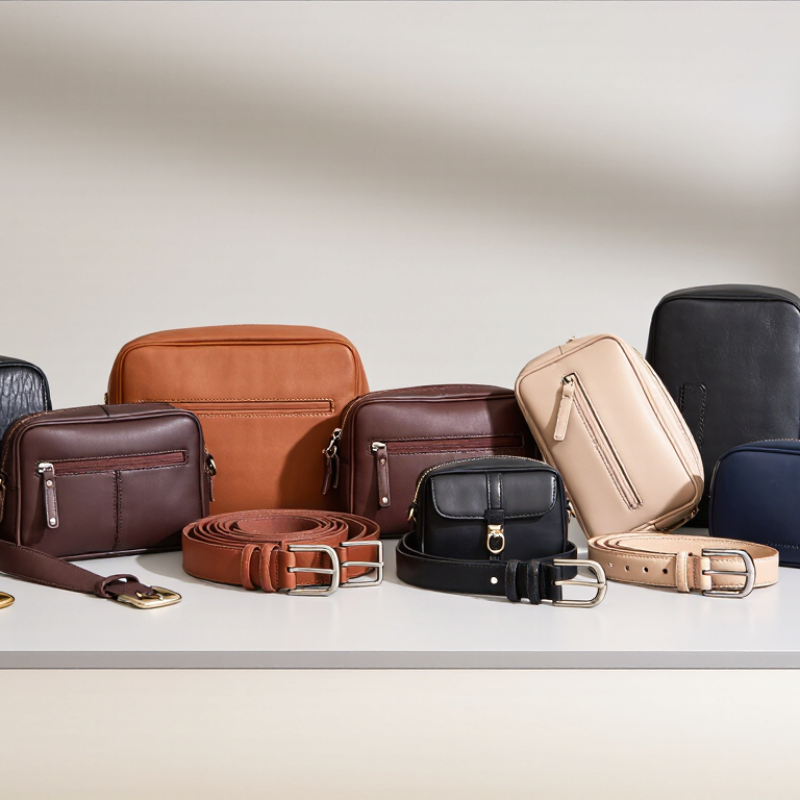
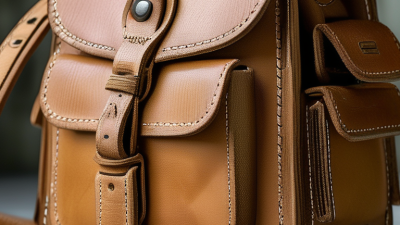
Discover our premium leather bag collection, designed for style and functionality. From chic purses, versatile tote bags, and sleek shoulder bags, to durable backpacks, stylish laptop bags, and compact makeup bags, we have it all. Explore luxurious duffel bags, practical belt bags, trendy sports bags, lunch bags, and pet bags.
A Real Leather Belt Bag can be more than a compact storage piece. It can become an everyday companion for travel, commuting, and relaxed weekend walks. This guide explores ten notable options through practical details, not appearance alone. We consider leather quality, stitching, hardware, pocket design, and wearing comfort.
During evaluation, we look closely at grain patterns, edge finishing, zipper movement, and belt adjustment. A sturdy bag should hold a phone, wallet, keys, and small essentials without losing its shape. The best designs also sit securely against the waist or across the chest. Small details matter.
Comfort comes first.
We also consider how each bag may age. Full-grain leather can develop darker handling marks and a richer patina over time. Those changes are not defects, although some shoppers may prefer a cleaner finish. Leather thickness, lining, and care instructions can affect long-term performance. Our comparisons rely on visible construction, practical use, and information from established manufacturers where available.
No belt bag is perfect. A beautiful leather surface may feel heavier than synthetic material. A wide strap may improve stability but look less refined. I also found that personal fit changes the ranking more than expected. This article keeps that limitation visible. The ideal choice depends on your routine, body shape, storage needs, and style preferences.
The following selections highlight dependable designs with distinct strengths. Some favor craftsmanship, while others prioritize organization or comfort. Together, they offer a clearer way to choose a leather belt bag with confidence.
A high-quality real leather belt bag should feel substantial before it looks fashionable. When I inspect one, I bend the leather gently near the corners. Full-grain or carefully finished top-grain leather usually shows a natural grain, not a plastic-like shine. It should soften with use while keeping its shape. Too stiff can mean heavy coating. Too thin may wear quickly.
Strong construction matters just as much. Look for even stitching, tight thread tension, and reinforced points around the belt loops. The zipper should glide without catching. Metal hardware should feel smooth, firm, and resistant to light surface wear. Inside, useful organization helps: one secure pocket, a lining that does not shed fibers, and enough room for a phone, keys, and cards. Small details reveal careful workmanship.
Fit is part of quality, too. A wide, adjustable strap distributes weight better and prevents the bag from twisting during walking. I prefer a back panel that feels comfortable against clothing, although soft leather can sometimes crease unexpectedly. That is not always a defect. It may show genuine material and daily use. Still, buyers should check the leather source, finishing process, and care instructions. Honest product information supports trust. A good belt bag should age with character, not hide weak construction behind decoration.
| Rank | Product Profile | Leather Type | Leather Thickness | Approx. Dimensions (L × H × D) |
Approx. Weight | Storage Capacity | Closure and Hardware | Strap Specification | Key Quality Indicator | Quality Score (100) |
|---|---|---|---|---|---|---|---|---|---|---|
| 1 | Full-Grain Everyday Belt Bag | Full-grain cowhide | 1.6–1.8 mm | 24 × 14 × 6 cm | 310 g | 1.8 L | YKK-style metal zipper; solid zinc-alloy buckle | Adjustable 85–125 cm; 32 mm wide | Uncorrected grain, reinforced stress points, durable edge paint | 95 |
| 2 | Minimalist Vegetable-Tanned Belt Bag | Vegetable-tanned full-grain leather | 1.8–2.0 mm | 22 × 13 × 5 cm | 285 g | 1.4 L | Brass zipper; solid brass buckle | Adjustable 80–120 cm; 28 mm wide | Natural patina development and firm leather structure | 94 |
| 3 | Travel Organizer Belt Bag | Full-grain cowhide with suede lining | 1.4–1.7 mm | 26 × 15 × 7 cm | 360 g | 2.2 L | Two metal zippers; locking side-release buckle | Adjustable 90–135 cm; 35 mm wide | Multiple compartments with strong load-bearing seams | 92 |
| 4 | Compact Crossbody Belt Bag | Top-grain cowhide | 1.2–1.5 mm | 21 × 12 × 5 cm | 240 g | 1.2 L | Coil zipper with leather pull; alloy buckle | Adjustable 85–125 cm; 25 mm wide | Lightweight construction with clean, even stitching | 89 |
| 5 | Wide-Belt Utility Leather Bag | Full-grain buffalo leather | 1.8–2.2 mm | 25 × 15 × 7 cm | 410 g | 2.3 L | Water-resistant zipper; metal ladder-lock buckle | Adjustable 90–140 cm; 40 mm wide | High abrasion resistance and broad weight-distributing strap | 91 |
| 6 | Soft Pebbled Leather Belt Bag | Top-grain pebbled cowhide | 1.1–1.4 mm | 23 × 13 × 6 cm | 275 g | 1.6 L | Metal zipper; reinforced plastic side-release buckle | Adjustable 85–125 cm; 30 mm wide | Flexible hand feel with consistent grain and reliable lining | 87 |
| 7 | Slim Cash-and-Card Belt Bag | Full-grain leather | 1.3–1.6 mm | 19 × 11 × 3.5 cm | 190 g | 0.7 L | Water-resistant zipper; low-profile metal buckle | Adjustable 80–115 cm; 25 mm wide | Compact profile, smooth pocket edges, and secure closure | 86 |
| 8 | Convertible Waist-to-Sling Bag | Top-grain cowhide | 1.3–1.6 mm | 24 × 14 × 6 cm | 330 g | 1.7 L | Dual metal zippers; detachable swivel hooks | Adjustable 90–135 cm; 30 mm wide | Versatile attachment system with reinforced D-rings | 88 |
| 9 | Handcrafted Rustic Leather Belt Bag | Vegetable-tanned pull-up leather | 1.6–1.9 mm | 23 × 14 × 6 cm | 325 g | 1.6 L | Antique brass zipper; solid brass snap buckle | Adjustable 85–125 cm; 30 mm wide | Visible natural markings, burnished edges, and repairable construction | 90 |
| 10 | Lightweight Daily Essentials Bag | Top-grain leather | 1.0–1.3 mm | 22 × 12 × 5 cm | 225 g | 1.3 L | Coil zipper; reinforced polymer buckle | Adjustable 80–120 cm; 25 mm wide | Low weight, balanced construction, and abrasion-resistant lining | 84 |

| Quality criteria: A high-quality real leather belt bag normally uses full-grain or well-finished top-grain leather, consistent material thickness, reinforced stitching at stress points, smooth and durable zippers, corrosion-resistant hardware, an adjustable load-bearing strap, a practical lining, and edges that are securely folded, burnished, or sealed. Scores are benchmark ratings based on material quality, construction, comfort, durability, organization, and hardware reliability. | ||||||||||
How to Evaluate Leather, Craftsmanship, Size, and Functionality
A strong leather belt bag begins with honest material, not a glossy label. Full-grain leather usually shows natural pores, slight scars, and gradual color changes. Split leather may feel smooth, but heavy coating can hide its weaker surface. Feel the grain. Real leather should smell mild and warm, not sharply chemical.
Grand View Research’s Leather Goods Market report estimated the global market at about USD 468 billion in 2021 and projected a 6.9% annual growth rate through 2030. That growth makes material transparency more important, because appearance alone proves little.
For the top ten candidates, inspect edge finishing, stitch density, zipper movement, and strap reinforcement. Even stitches should follow the curve without loose threads.
A practical bag should hold a phone, compact wallet, keys, and a small power bank without bulging. Measure the main compartment before buying. A 1.5- to 2-liter capacity often balances access and comfort, though body size changes the experience.
Check the buckle under repeated adjustment. Metal hardware should feel firm, not hollow or rattling.
Functionality also includes weight and sweat resistance. Leather Naturally’s technical guidance notes that leather performance varies by finishing, thickness, and construction, so “genuine leather” is not a complete quality grade.
My scoring system is useful, but imperfect. I would assign 30% to leather, 25% to craftsmanship, 25% to function, and 20% to comfort. That weighting may undervalue personal style.
Still, a bag that leaves red marks, strains its seams, or blocks quick access fails in daily use. Test it while walking. Some flaws appear only then.
The best real leather belt bags depend on style and daily use. My practical top ten includes the compact waist bag, crossbody belt bag, travel pouch, running pouch, phone holder, camera pouch, minimalist card bag, utility pouch, evening belt bag, and convertible sling.
Full-grain leather offers strong character and develops darker edges over time. Top-grain leather feels smoother and usually looks more polished. Vegetable-tanned leather can show scratches quickly. That is not always a defect. It records use.
Grand View Research reported that the global handbags market reached approximately $73.3 billion in 2022, with continued growth expected through 2030. This wider market data supports demand for compact, wearable accessories.
Textile Exchange’s Materials Market Report 2024 also shows leather remains a significant material in global fashion supply chains.
For commuting, choose a crossbody style with a secure back pocket.
For travel, select a wider strap and space for a passport.
Runners need light construction, not thick leather.
Evening outfits suit a slim, structured pouch.
I once preferred the smallest design, but it became uncomfortable after carrying keys and a power bank.
Tips:
Check stitching, edge finishing, buckle strength, and lining quality. Measure your waist before ordering. Leather stretches slightly, but not endlessly. Avoid overly glossy surfaces if you want natural aging. Also inspect the product’s material description carefully; “leather trim” does not mean the whole bag is real leather.
What Are the Top 10 Real Leather Belt Bags?
I compared ten real leather belt bags by strap stability, pocket access, weight, and surface softness. Comfort changed quickly between designs. A wide, adjustable strap distributed pressure better than a narrow one, especially with a phone, keys, and a compact wallet inside. Bags with curved backs also stayed flatter against the waist. Small details mattered, such as smooth zipper pulls and an opening wide enough for one-handed access.
The wider market supports this practical interest. Grand View Research valued the global leather goods market at approximately $468.49 billion in 2023, with projected growth through 2030. Fortune Business Insights reports a different figure, showing why category definitions deserve caution. These reports include more than belt bags, but they confirm strong demand for durable leather accessories. Real leather usually develops a richer surface over time, although it may show scratches. That is part of its character.
Versatility separated the strongest options. A secure rear loop worked well over a coat, while a removable strap allowed shoulder or crossbody carrying. Slim profiles suited commuting, museums, and short walks. Larger bags carried sunglasses and a small charger, but felt less comfortable during active movement. I also noticed an honest compromise: softer leather felt pleasant, yet firmer leather held its shape better. No design won every test.
A comparison of anonymous real-leather belt bag profiles by comfort and versatility.
Scores use a 10-point editorial scale. Comfort reflects weight distribution, strap adjustability, padding, and ease of wear. Versatility reflects storage layout, styling flexibility, and suitability for travel, commuting, and everyday use. Higher scores indicate a stronger overall balance of these features.
What Are the Top 10 Real Leather Belt Bags?
Choosing a real leather belt bag starts with purpose, not appearance. Grand View Research valued the global leather goods market at about USD 468.5 billion in 2023. Its report also projects steady growth through 2030. That demand makes material claims harder to judge. Look for clear terms such as full-grain or top-grain leather. Check the cut edges, stitching, lining, and hardware. Genuine leather should feel dense, not plasticky. A strong zipper matters more than decorative details. The bag should sit securely without pressing into your waist.
Size needs honest testing. Place your phone, keys, cards, and a small charger inside. Then walk, bend, and sit. I once chose a beautiful bag with a narrow opening. It became irritating within a week. A comfortable strap, balanced weight, and adjustable buckle reduce daily strain. The GlobalData Consumer Survey has repeatedly shown that durability influences purchasing decisions across fashion categories. Still, durability depends on care and construction, not leather alone.
Tips: Wipe surface dust with a soft, dry cloth. Condition untreated leather sparingly, perhaps two or three times yearly. Always test conditioner on a hidden area first. Keep the bag away from radiators, heavy rain, and damp storage. If it becomes wet, let it dry naturally. Do not use a hairdryer. Avoid overloading the compartments, since stretched leather may not recover. Review the care label carefully; my own mistake was assuming every leather finish needed the same treatment. No checklist is perfect.