China Top 10 Leather Ology Suppliers for Global Buyers?
In the world of Leather Ology, China stands out as a leading supplier. This is crucial for global buyers seeking high-quality leather products. The Chinese market is diverse, offering a variety of leather goods, from luxury items to functional materials.
However, navigating this market can be challenging. Identifying the best suppliers requires time and expertise. Not all suppliers maintain the same standards. Quality, sustainability, and innovation should be top priorities for buyers.
Buyers often face dilemmas when balancing cost and quality. It’s essential to evaluate suppliers thoroughly. Researching their history and reputation can prevent potential issues. As you explore these top 10 Leather Ology suppliers, consider your specific needs and demands carefully.
Top 10 Leather Suppliers in China: An Overview
The leather industry in China is vast and competitive. Offering quality materials and craftsmanship, China's suppliers cater to global markets. According to a recent report by the Leather Industry Research Group, the market for leather goods in China is expected to reach approximately $50 billion by 2025. This growth is driven by increasing demand in the retail sector, especially from fashion and automotive industries.
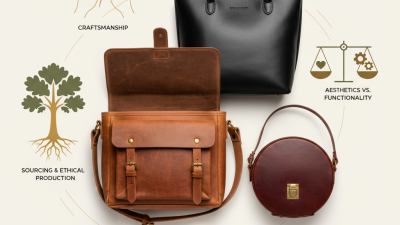
Leading suppliers show exceptional skill in traditional tanning methods and innovative production techniques. However, challenges remain. Some suppliers struggle with sustainability standards and ethical practices, raising concerns among buyers. Transparency in sourcing and production processes is becoming crucial. Buyers often seek suppliers who align with their values while offering quality products.
Engaging with a diverse range of suppliers can be beneficial. However, risks exist due to varied quality and compliance with international standards. Continuous evaluation of supplier performance helps mitigate potential issues. Industry reports indicate that collaboration between global buyers and local suppliers improves overall standards. Establishing clear communication channels fosters better relationships and ensures higher quality outputs.
Criteria for Selecting Top Leather Suppliers in China
When selecting top leather suppliers in China, it’s essential to consider various criteria. One key aspect is the quality of materials used in production. High-quality leather should be durable and processed using safe methods. Suppliers should provide certifications that prove their materials meet international standards.
Another important factor is the supplier's production capacity. It is vital to choose a supplier that can meet your demand consistently. Assessing their facilities and workforce can provide insights into whether they can scale up when required. This might include visits or requesting detailed reports on operations.
Additionally, communication plays a critical role in building a successful partnership. Suppliers should be responsive and open to discussing your needs. Clear and transparent communication fosters trust, which is essential in any business relationship. While many suppliers claim to offer exceptional service, not all may fulfill this promise consistently. Careful evaluation is necessary.
Top 10 Leather Suppliers in China: Quality Metrics
Profiles of the Leading Leather Suppliers in China
China is home to numerous leather suppliers, catering to a global market. The country accounted for over 24% of the world’s leather supply in 2022, showcasing its significant position in the industry. These suppliers provide a diverse range of leather products, from high-end fashion materials to industrial use products. The production process involves several stages, requiring expertise and attention to detail to ensure quality.
Many suppliers focus on sustainable practices. According to industry reports, around 30% of Chinese leather suppliers have adopted environmental management systems. This is in response to the increasing demand for eco-friendly products. However, challenges remain, such as inconsistent quality control across suppliers. This inconsistency can lead to complications for international buyers looking for reliable partners.
Innovation in technology is evident among leading suppliers. Advanced techniques in tanning and processing boost efficiency and reduce waste. Despite these advancements, some suppliers still struggle with traditional practices, affecting competitiveness. Industries are gradually shifting towards digitization, but the pace varies across regions. As global buyers navigate this landscape, identifying capable suppliers becomes crucial for long-term partnerships.
China Top 10 Leather Ology Suppliers for Global Buyers
| Supplier Location |
Annual Revenue (USD) |
Employee Count |
Main Export Markets |
| Guangdong |
$50,000,000 |
300 |
USA, Europe, Japan |
| Zhejiang |
$40,000,000 |
250 |
Germany, UK, Australia |
| Shanghai |
$65,000,000 |
410 |
China, South Korea, Canada |
| Jiangsu |
$30,000,000 |
200 |
Brazil, Russia, Middle East |
| Shandong |
$45,000,000 |
270 |
Italy, Singapore, Mexico |
| Fujian |
$55,000,000 |
350 |
Spain, Netherlands, Thailand |
| Tianjin |
$20,000,000 |
150 |
France, Belgium, India |
| Hebei |
$25,000,000 |
180 |
South Africa, Malaysia, Philippines |
| Chongqing |
$15,000,000 |
120 |
Vietnam, Argentina, Kenya |
Global Impact of China's Leather Export Industry
China's leather export industry plays a significant role in the global market, accounting for over 40% of the world's leather supply. Diverse sectors leverage this supply, including fashion, automotive, and furniture. In 2022, the total export value of leather from China reached approximately $35 billion, reflecting both the demand and an increasing reliance on local suppliers. As global buyers seek quality and cost-effectiveness, China's production capacity continues to evolve, presenting challenges and opportunities.
Amid growing concerns surrounding sustainability, China's leather industry faces scrutiny. The environmental impact of tanning processes raises questions about practices in ethical sourcing. Reports indicate that up to 60% of raw hides are processed without adherence to international standards. This inconsistency highlights the need for buyers to verify the credentials of suppliers.
Additionally, while technological advancements improve efficiency, they may not fully address environmental concerns, leading to ongoing dialogues regarding sustainable practices.
Trends in digitalization are reshaping the landscape of the leather export industry. With the rise of e-commerce, many suppliers are embracing online platforms to reach buyers directly. Data suggests that online sales of leather goods grew by 25% in 2023. However, this shift requires suppliers to maintain high-quality standards, a balance not easily achieved. The rapid evolution of consumer preferences and ethical consumerism poses challenges requiring constant adaptation.
Future Trends in China's Leather Supply Market
China's leather supply market is undergoing significant changes. According to the China Leather Industry Association, the market size for leather goods is projected to reach 300 billion yuan by 2025. Sustainable practices are becoming essential as global consumers favor eco-friendly products. Many suppliers are investing in green technologies and practices. This shift poses challenges for traditional manufacturers who may lack the resources to adapt.
Additionally, the trend towards customization is gaining traction. Reports indicate that around 30% of consumers prefer personalized leather products. This trend pushes manufacturers to adopt flexible production processes. However, meeting this demand often means increasing costs and complexity. Suppliers are challenged to balance quality and affordability while embracing innovation.
The rise of e-commerce is reshaping distribution channels. The market share for online leather sales is expected to double in the next few years. Traditional retailers must adapt or risk losing relevance. This evolution requires suppliers to build robust online presence and customer engagement strategies. Many lack the technical expertise to succeed in this area, indicating a need for investment in digital skills.