Top 10 Hand Made Leather Bags You Must Know for Global Sourcing?
In the world of global sourcing, understanding the nuances of the Hand Made Leather Bag industry is crucial. Experts like Sarah Thompson, a prominent designer and craftsman, emphasize the unique quality of these bags. She once said, “Each Hand Made Leather Bag tells a story of craftsmanship and passion.” This highlights the special charm that comes with such products.
Hand Made Leather Bags are not just accessories; they are pieces of art. Crafted with care, they showcase intricate details and unique styles. Sourcing these bags involves much more than just selecting materials. It requires an appreciation for the artisan's skills. Each bag is a reflection of the culture and tradition behind its creation. However, not all products meet the standards consumers expect. Sometimes, the quality can be inconsistent, leading to disappointment.
Navigating the market can be challenging. Buyers must be discerning. Finding reliable suppliers is necessary to ensure authenticity. The allure of Hand Made Leather Bags can mask subpar offerings. Therefore, being informed is essential for anyone in the industry. Recognizing both the beauty and the shortcomings will lead to better sourcing decisions.
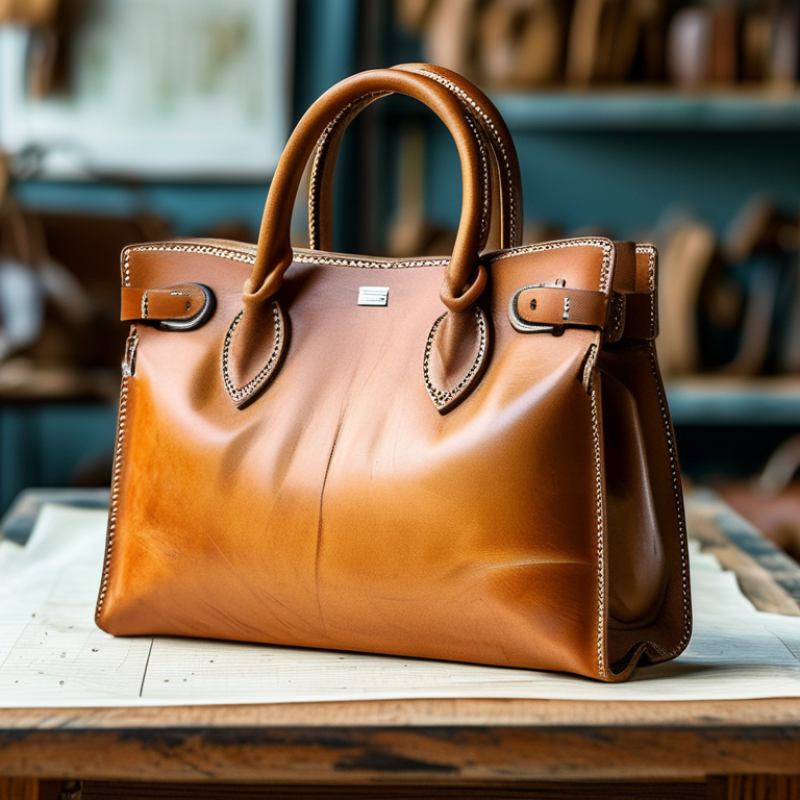
Overview of Handmade Leather Bags in Global Sourcing
The handmade leather bag market has seen significant growth in recent years. According to a recent market analysis, the global leather goods sector is projected to reach USD 390 billion by 2027, with handmade products becoming increasingly sought after. This trend is driven by a rise in consumer demand for unique and sustainable fashion. Many buyers now prefer artisanal goods over mass-produced items.
This shift is not just a trend; it's changing the dynamics of global sourcing.
In sourcing handmade leather bags, quality and craftsmanship are crucial. Each piece often embodies the culture and style of its origin. However, not all makers adhere to ethical sourcing practices. Transparency in the supply chain is essential. Reports suggest that 35% of buyers remain concerned about ethical practices in leather sourcing. Artisans must maintain sustainable methods to captivate modern consumers.
While handmade leather bags can offer distinct advantages, challenges persist in ensuring consistent quality. Variations in craftsmanship can lead to fluctuating customer satisfaction levels. It's essential for artisans to reflect on their production methods continuously.
Striking a balance between tradition and innovation can help in meeting evolving market needs. The industry is ripe for growth, but artisans must navigate these complexities carefully.
Factors Influencing the Quality of Handmade Leather Bags
When exploring the world of handmade leather bags, understanding quality is crucial. Several factors impact this, such as craftsmanship and material selection. Reports indicate that over 70% of consumers prioritize craftsmanship in their purchasing decisions. Leather thickness and durability matter significantly. High-quality leather often ranges between 1.2mm to 2.0mm. This thickness ensures longevity and resistance to wear.
Another essential aspect is the tanning process. Vegetable tanning is favored by many artisans. This method not only preserves the leather but also enhances its natural beauty. Data shows bags made with vegetable-tanned leather can last up to 30 years. In contrast, chromium-tanned leather has a shorter lifespan and can harm the environment. The choice between these tanneries often reflects a brand's values and commitment to sustainability.
Finally, the design plays a pivotal role. A well-designed bag must balance function with aesthetics. Reports suggest that 60% of buyers are drawn to unique designs. However, not all designs translate to usability. Some may sacrifice practicality for looks, leading to buyer disappointment. This juxtaposition challenges artisans to create bags that meet various needs while remaining visually appealing. The constant reflection on these elements is vital for both artisans and buyers in this evolving market.
Top 10 Handmade Leather Bag Brands for Global Buyers
When sourcing handmade leather bags, understanding the top brands is essential for quality. Many artisans dedicate hours to craftsmanship. The result is often stunning pieces filled with character. These bags reflect the unique heritage of their makers. Buyers should appreciate the stories behind each design.
Tips: Look for bags that showcase local techniques. Authenticity often speaks through the construction methods. Pay attention to stitching and material quality. A well-made bag can last for years. Remember to evaluate the brand’s sourcing practices. Ethical production should be a priority.
Each artisan brand has its own style. Some prioritize functionality, while others lean towards aesthetic appeal. It can be tough to find a perfect match. When shopping, consider your own needs and personal taste. Items may vary in texture and finish. Don’t rush the decision; a little reflection can enhance your selection.
Key Trends in Handmade Leather Bag Design and Production
The handmade leather bag market has evolved significantly. Sustainable practices are becoming a priority. Artisans now source eco-friendly materials. This trend reflects a growing consumer demand for ethical products. Natural dyes and organic leather are becoming popular choices. They appeal to environmentally conscious customers.
Another key trend is customization. Consumers want unique products. Artisans are responding by offering personalized designs. Hand-stitching and bespoke sizes are on the rise. This adds value and individuality. However, this approach can be challenging. Balancing mass production with customization is a delicate task.
Quality craftsmanship remains essential in this sector. Skilled artisans often face pressure to reduce costs. This can compromise the quality of their work. Maintaining high standards while staying competitive is crucial. There is a need for constant reflection on production methods. Sustainability and craftsmanship must go hand in hand for long-term success.
Top 10 Hand Made Leather Bags You Must Know for Global Sourcing
| Bag Type |
Material |
Size |
Key Features |
Price Range |
| Tote Bag |
Genuine Leather |
Medium |
Spacious, Durable, Eco-Friendly |
$150 - $300 |
| Crossbody Bag |
Full Grain Leather |
Small |
Lightweight, Adjustable Strap |
$100 - $250 |
| Backpack |
Vegetable Tanned Leather |
Large |
Stylish, Functional, Padded Straps |
$200 - $400 |
| Satchel |
Top Grain Leather |
Medium |
Classic Design, Multiple Pockets |
$120 - $280 |
| Clutch |
Napa Leather |
Small |
Sleek, Minimalist Look |
$80 - $150 |
| Messenger Bag |
Cowhide Leather |
Medium |
Adjustable Strap, Casual Style |
$130 - $300 |
| Duffel Bag |
Buffalo Leather |
Large |
Great for Travel, Durable |
$200 - $450 |
| Wallet |
Saffiano Leather |
Small |
Compact, Secure Closure |
$50 - $120 |
| Laptop Bag |
Italian Leather |
Medium |
Protective, Professional Look |
$150 - $350 |
| Fashion Bag |
Recycled Leather |
Varies |
Trendy, Upcycled Materials |
$70 - $200 |
Sourcing Strategies for Quality Handmade Leather Bags online
Sourcing quality handmade leather bags online requires careful consideration. Buyers should seek detailed product descriptions. Look for high-resolution images that highlight craftsmanship. Pay attention to stitching and finishing details. These aspects reflect the quality of the bag.
Online reviews are essential. They provide insight into the seller’s reputation. Look for comments about durability and customer service. Consider reaching out to previous buyers for additional insights. Authentic reviews can help navigate potential pitfalls.
Another vital factor is communication. A good seller should respond promptly. Ask questions about materials used and production methods. Assess their expertise. This can indicate their commitment to quality. Remember, the journey of sourcing handmade leather bags can have its challenges. Reflecting on these experiences can lead to better choices in the future.