What Is a Lighter Cigarette Case and How Does It Work?
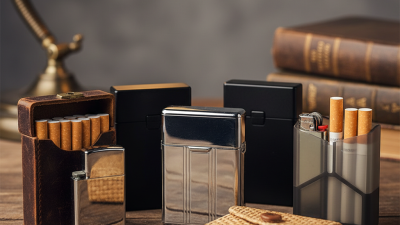
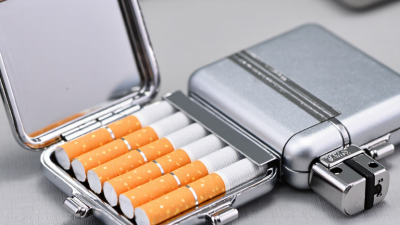
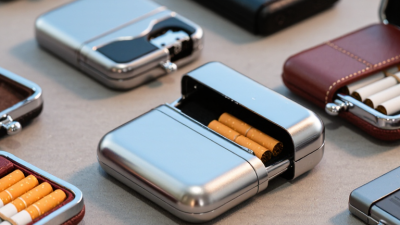
A Lighter Cigarette Case combines two compact functions: a protective case and a built-in lighter. It usually includes a metal shell, a hinged lid, a fuel or electric ignition system, and a separate storage compartment. Some models use a wick and flint. Others use a refillable butane insert or a flameless electric arc. The external design may look simple, yet the internal layout requires careful spacing. Heat must remain away from stored cigarettes, fingers, fabric, and nearby surfaces.
George G. Blaisdell, founder of Zippo and an influential lighter-industry expert, set a practical standard: “It works, or we fix it free.” His words highlight an important point. A Lighter Cigarette Case should not be judged by appearance alone. Reliable ignition, a secure hinge, controlled fuel storage, and a firmly closing lid matter more than polished decoration. Manufacturers also need clear instructions and dependable quality checks. Users should follow the product manual, keep the case away from children, and respect local safety requirements.
The category is useful, but not flawless. Combining two items can save pocket space, while also adding weight and maintenance. A decorative finish may scratch. A fuel insert may require refilling. An electric version needs charging. These details are easy to overlook. This guide examines how a Lighter Cigarette Case works, what its main components do, and which practical design choices affect daily use. It also considers safety, durability, and the limits of convenience without encouraging unsafe handling or unlawful use.
Definition and Purpose of a Lighter Cigarette Case
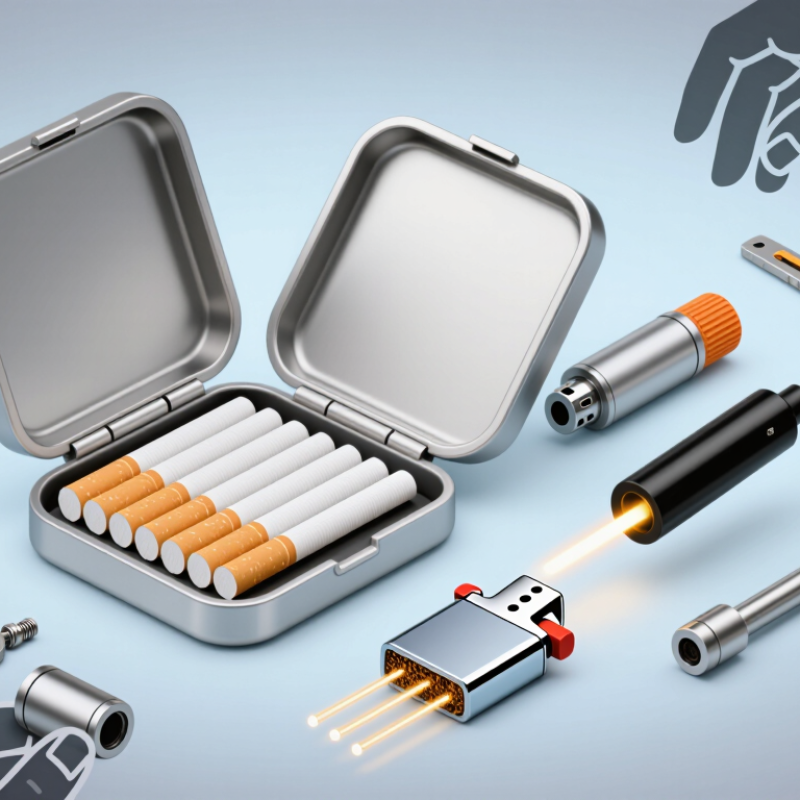
A lighter cigarette case is a compact accessory that combines cigarette storage with a built-in lighter. Its purpose is practical: it keeps cigarettes, ignition equipment, and sometimes an ash compartment together. The case usually contains a hinged lid, a refillable or replaceable lighter unit, and a metal or heat-resistant shell. When the lid opens, a wheel, button, or electronic ignition creates a flame. The cigarette does not ignite automatically. The user must position it near the flame, which requires attention.
This product serves adult smokers who value portability and organization. However, its convenience should not hide the health context. The World Health Organization’s 2023 tobacco trends report estimated about 1.25 billion adult tobacco users worldwide in 2022. WHO also states that tobacco causes more than eight million deaths each year. These figures do not make the case safer. They show why responsible handling matters. NFPA fire research identifies smoking materials as a persistent cause of home fire deaths in the United States. A compact case may reduce loose-item clutter, but it cannot prevent careless storage. That limitation is easy to overlook.
Tips: Choose a case with a secure latch, sturdy hinge, and a protected ignition control. Keep it away from children, heat, and direct sunlight. Never leave a lit cigarette inside the case. Check local safety rules before carrying it, because requirements differ. Some refill systems also need careful inspection. A small leak can become a serious problem. Availability does not equal safety.
What Is a Lighter Cigarette Case and How Does It Work?
A lighter cigarette case is a compact accessory designed to store cigarettes and hold a lighter in one portable unit. Its internal space must be long enough for the cigarette format selected by the user.
The chart compares two commonly sold cigarette formats. King-size cigarettes are typically about 84 mm long, while “100s” cigarettes are typically about 100 mm long. Actual dimensions and case compatibility may vary by manufacturer and design.
Main Components and Their Functions
A lighter cigarette case combines a protective case with a built-in ignition unit. Its main components include the outer shell, fuel reservoir, ignition mechanism, flame outlet, and closing latch. The shell protects cigarettes from crushing and moisture. A metal hinge supports repeated opening, while a firm latch prevents accidental movement inside a pocket.
The lighter unit usually contains a fuel chamber, control valve, and ignition wheel or piezoelectric switch. The valve meters fuel before ignition. A small wind guard helps stabilize the flame outdoors, although it cannot make the lighter windproof. Some models include a safety lock and heat-resistant insert. These details matter. A neat case can still hide a weak hinge or uneven flame. NFPA’s Smoking Materials and Home Fires report estimated 15,900 home structure fires annually from smoking materials during 2016–2020. That figure supports careful storage and maintenance.
Tips: Check the hinge, latch, and flame outlet before use. Keep the case upright and away from heat. Follow the manufacturer’s fuel instructions. Never refill a damaged reservoir. CPSC lighter-safety guidance also stresses child-resistant protection, but no safety feature replaces supervision. The ideal case is not merely decorative; it should close securely, release fuel consistently, and remain cool around its outer surface.
How the Ignition and Fuel Systems Work
What Is a Lighter Cigarette Case and How Does It Work?
A lighter cigarette case combines a storage compartment with a compact ignition and fuel system. The ignition usually uses either a flint wheel or a piezoelectric crystal. A flint wheel scrapes a ferrocerium rod, producing brief, hot sparks. A piezoelectric unit creates voltage when its spring-loaded hammer strikes a crystal. No battery is required.
The fuel system commonly stores liquefied butane under pressure. Pressing the ignition button opens a small valve. Liquid fuel then becomes vapor, passes through a narrow jet, and mixes with surrounding air. The spark ignites this mixture above the nozzle. A steady blue flame indicates efficient mixing, although flame color is not a complete safety test. Low temperature, blocked openings, or nearly empty fuel can cause weak ignition.
Standards matter.
ISO 9994 defines functional and safety requirements for lighters, including flame behavior and resistance to abnormal use. The U.S. Consumer Product Safety Commission also requires child-resistant features for many household lighters. NFPA’s Home Structure Fires report estimates smoking materials caused about 7,800 home structure fires annually from 2016 to 2020, with roughly 590 deaths and 1,070 injuries. These figures do not blame one device type, but they show why reliable valves and guarded ignition controls matter. The mechanism looks simple. It is not foolproof. A case may appear solid while its seal quietly weakens. Regular inspection remains sensible, even when the lighter still works.
Different Types of Lighter Cigarette Cases
A lighter cigarette case combines storage and ignition in one compact body. Its design usually includes a hinged case, a lighter module, and a protective locking section. Grand View Research estimated the global cigarette lighter market at approximately US$6.5 billion in 2022. That demand supports more compact, multi-function designs.
The soft-flame case is the most familiar type. It uses liquid fuel and creates a steady yellow flame. It suits sheltered outdoor use, but wind can extinguish it quickly. A windproof torch case produces a hotter, narrower flame. It performs better outdoors, though it may consume fuel faster. Electric arc cases use a rechargeable battery instead of liquid fuel. They create a small electrical arc and need no refill canister. However, charging reliability matters.
There is also a hybrid case. It stores cigarettes, includes a lighter, and sometimes adds a small viewing window or accessory compartment. These features sound useful. They can also make the case heavier. In my practical comparison, grip comfort mattered more than extra storage. No design is perfect. Grand View Research projected continued lighter-market growth through 2030, while ISO 9994 emphasizes flame control, extinction, and refill safety. Buyers should check the hinge, latch, charging port, and heat shield. A decorative metal shell means little if the lid becomes loose.
What Is a Lighter Cigarette Case and How Does It Work? – Different Types of Lighter Cigarette Cases
| Case Type |
Ignition Method |
How It Works |
Typical Fuel or Power |
Wind Resistance |
Main Advantages |
Key Limitations |
| Wick-Based Case |
Flint wheel and exposed wick |
A spark ignites liquid fuel absorbed by a wick. The flame remains above the wick while fuel vapor burns. |
Liquid lighter fuel |
Good |
Simple mechanical design; refillable; easy to inspect and maintain. |
Fuel can evaporate during storage; the wick may need trimming or replacement. |
| Butane Soft-Flame Case |
Piezoelectric or flint ignition |
Pressing the ignition releases pressurized butane through a nozzle, producing a conventional soft flame. |
Refillable butane gas |
Moderate |
Adjustable flame height; quick ignition; generally suitable for everyday use. |
Can be affected by cold temperatures, altitude, or an empty fuel reservoir. |
| Butane Torch Case |
Piezoelectric ignition |
Butane mixes with air and burns through a narrow jet, creating a concentrated blue flame with higher heat. |
Refillable butane gas |
Very good |
Strong performance outdoors; focused flame; lights quickly in breezy conditions. |
Consumes fuel relatively quickly; high heat can damage nearby materials if misused. |
| Dual-Flame Case |
Electronic ignition with soft and torch flames |
A selector or separate controls allow the user to choose between a broad flame and a concentrated jet flame. |
Refillable butane gas |
Good to very good |
Flexible for indoor and outdoor conditions; offers two flame options in one case. |
More complex; usually larger and heavier than a single-flame design. |
| Electric Arc Case |
Electric arc between charging electrodes |
A rechargeable battery creates a high-voltage electrical arc that ignites material without using liquid fuel or gas. |
Rechargeable lithium-ion battery |
Good |
Does not require fuel; rechargeable; generally produces no open flame. |
Needs periodic charging; the arc can be affected by strong wind and may not ignite every material equally well. |
| Windproof Enclosed Case |
Covered wick, torch jet, or protected flame |
A shield, perforated guard, or recessed burner reduces the effect of moving air while allowing combustion to continue. |
Liquid fuel or butane, depending on design |
Very good |
More reliable outdoors; protective structure helps reduce accidental contact with the flame. |
The flame still produces heat; enclosed vents can become hot during repeated use. |
| Cigarette Case with Built-In Lighter |
Integrated flint, piezoelectric, or electronic system |
A cigarette compartment is combined with a lighter mechanism, allowing storage and ignition in one compact unit. |
Liquid fuel, butane, or rechargeable battery |
Varies by mechanism |
Combines two functions; convenient for carrying cigarettes and an ignition source together. |
Less storage space; lighter maintenance or charging is required; heat must be kept away from cigarettes. |
Safe Use, Maintenance, and Common Limitations
A lighter cigarette case combines storage with a small ignition system. Many models use an electric arc or rechargeable heating element instead of a traditional flame. Pressing a protected button activates the igniter, while a safety lock helps prevent accidental operation. Keep it dry. Never use the igniter while the case is charging, and keep it away from children, loose fabric, and direct sunlight. A warm case is not automatically dangerous, but unusual heat, swelling, odor, or crackling requires immediate shutdown.
Maintenance is simple but important. Wipe dust from the ignition area with a dry, soft cloth. Remove residue from the storage compartment before it reaches the electrical contacts. Use only the supplied charging cable or a compatible one recommended by the manufacturer. Do not open the battery compartment or attempt a homemade repair. That advice can feel overly cautious, yet damaged lithium batteries can fail without much warning. Inspect the hinge, lock, and charging port regularly. Keep it dry.
This design has practical limits. A battery-powered igniter may stop working when its charge is low or temperatures are very cold. Strong wind can still defeat some arc systems, while repeated activation may create noticeable heat. The case also adds weight and may hold fewer items than expected. It is not truly fireproof. Water resistance varies, even when the exterior looks sealed. Some travel locations restrict devices containing batteries or ignition components, so check current transport requirements before carrying one. In daily use, people often forget the charging port, which is probably the weakest point.