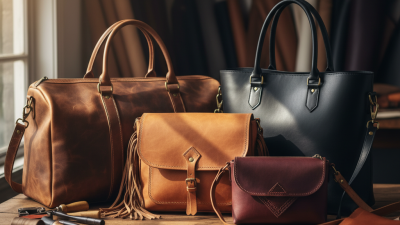
What is a Hand Made Leather Bag and Why is it Popular?
The Hand Made Leather Bag has emerged as a sought-after fashion accessory. According to a report by MarketWatch, the global leather goods market is expected to reach $400 billion by 2025. This significant growth underscores the rising popularity of unique and artisanal products.
Expert Sarah Greene, a well-known figure in the leather industry, states, “The allure of hand-made leather bags lies in their craftsmanship and individuality.” Such products reflect personal style and offer sustainable alternatives to mass-produced items. Each bag tells a story, showcasing the artisan's skill and dedication.
While hand-made leather bags are praised for their quality, consumers must be aware of variations in craftsmanship. Not all products live up to their premium pricing. It’s essential to research makers and understand the nuances of leather types. The journey of selecting the perfect Hand Made Leather Bag can be rewarding and enlightening.
Understanding Handmade Leather Bags: Definition and Features
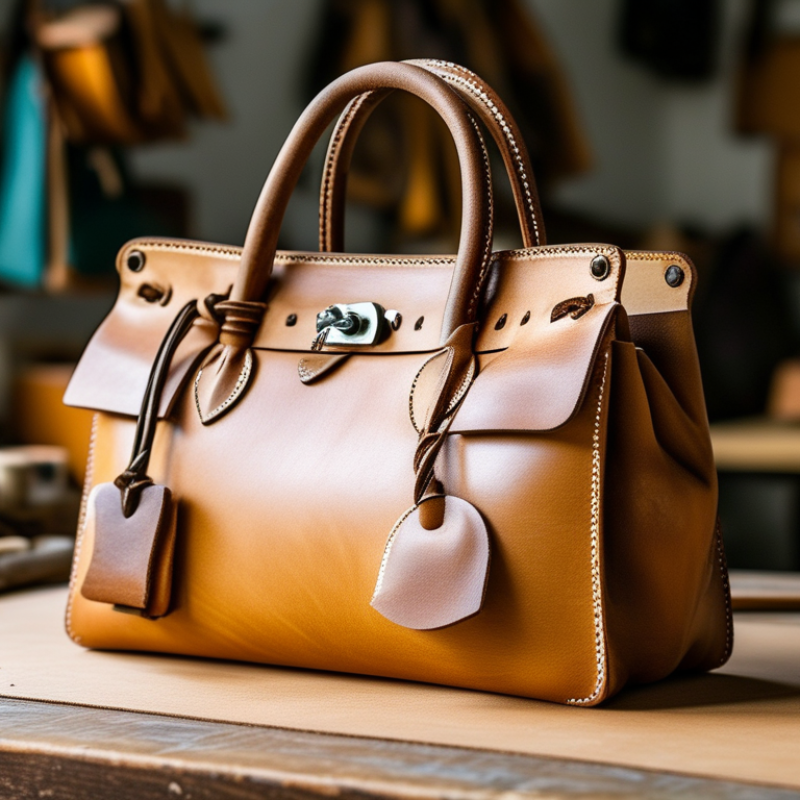
Handmade leather bags represent a unique blend of craftsmanship and artistry. Each bag is crafted with care, often made from high-quality leather that ages beautifully over time. This aging process creates a rich patina that adds character, making every piece remarkable in its own right. Handmade leather bags often showcase intricate stitching and detailed designs, reflecting the skill and dedication of artisans.
The popularity of these bags stems from their durability and timeless appeal. Unlike mass-produced items, handmade bags offer individuality. Buyers appreciate knowing that their bag is one-of-a-kind. The versatility of these bags is another attractive feature. They come in a variety of styles, suitable for both casual and formal occasions. Many people find beauty in their imperfections, such as slight variations in color or texture.
Investing in a handmade leather bag is not just buying an accessory. It is also about supporting craftsmanship and sustainability. Each bag tells a story, often rooted in traditional techniques passed down through generations. Shoppers are increasingly drawn to products with a narrative, valuing authenticity and quality over fleeting trends. This shift in consumer behavior showcases a growing appreciation for handmade goods and the artistry behind them.
The Craftsmanship Behind Handmade Leather Bags: Techniques and Materials
Handmade leather bags are cherished for their unique craftsmanship. Artisans employ various techniques to ensure quality.
Vegetable tanning is a popular method using natural materials. This process takes weeks and results in durable leather. In contrast, chrome tanning is quicker but often uses harmful chemicals.
According to industry reports, 45% of consumers prefer vegetable-tanned leather for its impact on the environment.
Materials play a crucial role in these bags. High-quality leather comes from carefully selected hides. Cowhide is prevalent, known for its strength. However, some artisans use exotic leathers like lambskin. This may be softer but requires meticulous care.
Data suggests that 32% of buyers are willing to pay more for sustainable materials. Yet, some may overlook the care required for these bags.
It's essential to educate consumers on maintenance.
Artisans often face challenges in balancing tradition and innovation. While handmade items showcase skill, production efficiency can be a concern. Some makers struggle to scale their operations while maintaining quality.
This dilemma is prevalent in the industry. A report highlighted that 68% of consumers feel authenticity and craftsmanship should not be compromised for faster production.
Thus, the handmade leather bag remains a symbol of artistry amidst modern dilemmas.
The Popularity of Handmade Leather Bags: Trends and Consumer Appeal
Handmade leather bags have gained immense popularity in recent years. Their charm lies in craftsmanship and uniqueness. According to a recent Grand View Research report, the global leather goods market is expected to reach $490 billion by 2025, with handmade items like these playing a significant role. This interest reflects a growing consumer trend toward sustainability and individuality.
Consumers appreciate the artisanal qualities of handmade bags. Each piece tells a story, showcasing the skill of the artisan. A survey by the Leather Working Group indicates that 73% of consumers prefer products made from sustainably sourced materials. This shift towards eco-consciousness also fuels demand for handcrafted items. With 48% of millennials valuing craftsmanship, the handmade leather bag market is increasingly appealing to younger generations.
However, options and quality can vary significantly. Not all handmade products meet high standards, which can lead to disappointing purchases. Shoppers must educate themselves to identify reputable artisans and brands. Craftsmanship is vital but, perhaps frustratingly, not always uniform. Recognizing this challenge can make the buying experience more rewarding, guiding consumers toward quality handcrafted leather goods.
Benefits of Choosing Handmade Leather Bags Over Mass-Produced Options
Handmade leather bags are becoming increasingly popular for several compelling reasons. One of the primary benefits is their uniqueness. Each handmade bag carries its own character. Artisans often employ traditional techniques, ensuring no two bags are exactly alike. This individuality appeals to consumers looking for something special.
Choosing a handmade leather bag also means supporting craftsmanship. Unlike mass-produced options, these bags are often created with attention to detail. Crafting each piece by hand allows artisans to focus on quality. The leather used is typically thicker and more durable. These bags can withstand wear and age beautifully, developing a rich patina over time.
Moreover, handmade leather bags promote sustainability. Many artisans source their materials ethically and use eco-friendly practices. This stands in contrast to mass production, which often involves harmful practices. Investing in a handmade bag means making a conscious choice to support local economies. However, not every handmade product meets the highest standards. Shoppers need to do their research to find reputable artisans. This consideration adds another layer of complexity to the buying experience.
Caring for Your Handmade Leather Bag: Tips for Longevity and Maintenance
Caring for a handmade leather bag is crucial for its longevity. Leather is a natural material that ages beautifully, but it requires care. Regular maintenance can keep it looking its best. Start by using a soft, damp cloth to wipe away dirt. Avoid soaking the leather, as excess moisture can lead to damage.
Conditioning the leather is equally important. Use a high-quality leather conditioner every few months. This keeps the material supple and prevents cracking. When storing your bag, keep it in a cool, dry place. Avoid sunlight and heat sources that can warp the shape and color.
Occasionally check for signs of wear. Look for frayed edges or loose stitching. Address these issues early to avoid larger repairs. Embrace the unique character of your leather bag. Each scratch tells a story. Over time, it becomes a personal keepsake. Caring for your bag enhances its beauty and ensures it lasts for years.
What is a Hand Made Leather Bag and Why is it Popular? - Caring for Your Handmade Leather Bag: Tips for Longevity and Maintenance
| Feature |
Description |
Care Tips |
Longevity Factors |
| Material Quality |
High-quality leather such as full-grain or top-grain leather. |
Condition with leather cream regularly. |
Higher quality leather increases durability. |
| Handcrafted |
Made by artisans, ensuring attention to detail. |
Avoid exposure to direct sunlight for prolonged periods. |
Artisanal skills influence uniqueness and durability. |
| Design Versatility |
Available in various styles suitable for different occasions. |
Clean spills immediately with a soft cloth. |
Trendy designs enhance attractiveness and desirability. |
| Sustainability |
Often made from eco-friendly materials and practices. |
Store in a dust bag when not in use. |
Sustainable practices contribute to a longer lifespan. |
| Aesthetic Appeal |
Rich textures and colors that develop a patina over time. |
Use a protective spray to resist water and stains. |
Aesthetics help maintain a modern and classy look. |