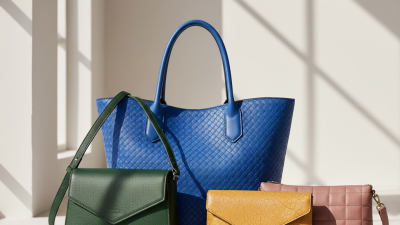
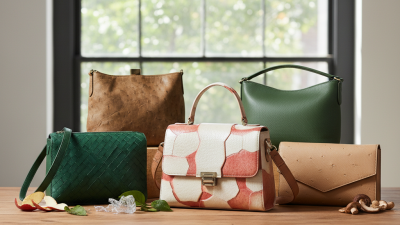
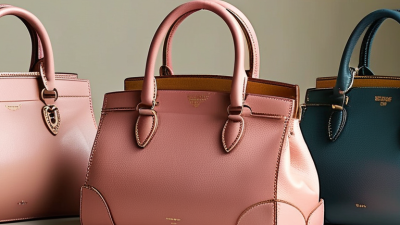
Top Genuine Leather Ladies Bags for Global Buyers 2026?
The demand for Genuine Leather Ladies Bags continues to rise in 2026, reflecting a growing interest among global consumers. According to a recent report by ResearchAndMarkets, the market for genuine leather products is expected to expand by 5.3% annually. This growth is driven by consumers seeking quality and durability in accessories.
Industry expert Sarah Thompson notes, "Quality is key; consumers today want bags that represent their values." This highlights an important trend: shoppers favor sustainable and ethical production methods alongside style. Genuine leather is often perceived as a status symbol, further enhancing its appeal.
Despite the growth, challenges exist. Ethical sourcing remains a significant concern for buyers. Many consumers are cautious of the environmental impact of leather production. Brands that address sustainability while maintaining quality will likely succeed in this crowded market. Balancing these factors is crucial for future success in the Genuine Leather Ladies Bag industry.

Top Trends in Genuine Leather Ladies Bags for 2026
As we look forward to 2026, the genuine leather ladies bags market is expected to evolve significantly. According to recent industry reports, the global leather accessories market is projected to reach a staggering $88 billion by 2026, with a substantial share attributed to women’s handbags. Eco-friendly materials are becoming increasingly popular. Many consumers now prioritize sustainability and ethical sourcing in their fashion choices.
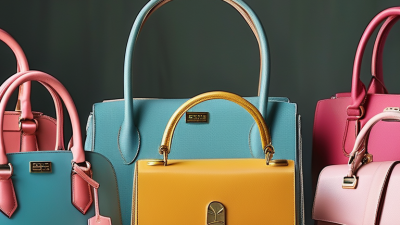
A significant trend is the rise of multifunctional bags. Women seek bags that blend style with practicality. Pockets for technology and compartments for daily essentials are in demand. Furthermore, vibrant colors and bold patterns are gaining traction. As personal expression takes center stage, traditional neutrals may take a backseat.
Yet, some challenges persist. The leather industry faces scrutiny regarding animal welfare and environmental impact. This raises questions about consumer choices and production processes. While premium genuine leather remains a status symbol, its sourcing needs to be transparent. The industry must balance luxury with responsibility as it approaches the future.
Top Genuine Leather Ladies Bags Trends for 2026
Market Insights: Global Demand for Genuine Leather Bags
The global demand for genuine leather bags is on the rise. Many consumers appreciate the durability and timeless appeal of leather. This trend is driven by a growing awareness of sustainable fashion. Shoppers are looking for quality items that last longer than fast-fashion alternatives.
As buyers embrace this shift, the market is evolving. Designers are increasingly focusing on ethical sourcing and craftsmanship. However, challenges still remain. The production process can be resource-intensive, raising concerns about environmental impact. Consumers are becoming more discerning about the materials they choose.
This is an opportunity for brands to reflect on their practices. Transparency in sourcing and production can build trust with consumers. They want to know where their products come from. The future of genuine leather bags will depend on balancing craftsmanship with sustainable practices. This complex relationship between luxury and responsibility will shape market dynamics in the coming years.
Sustainability in Leather: Eco-friendly Practices in 2026
Sustainability in leather production is evolving rapidly. In 2026, eco-friendly practices are becoming essential for brands and consumers alike. The industry faces challenges, such as an over-reliance on traditional tanning methods. These methods can harm the environment. Many brands are now seeking alternatives to minimize chemical use and reduce waste.
Innovative techniques are emerging. Vegetable tanning is gaining popularity, as it uses natural materials. This method produces less pollution compared to chemical tanning. Brands are also turning to recycled materials. Reclaimed leather not only reduces waste but also brings unique character to bags. However, ensuring a consistent supply of reclaimed leather can be complicated.
Consumers are becoming more discerning. They seek products that reflect their values. This shift pushes brands to adopt transparent sourcing practices. Traceability in production is vital. Yet, the challenge remains to balance quality with sustainability. Investing in eco-friendly practices is crucial for long-term success. Consumers want to feel good about their purchases, but brands must strive to meet these expectations. In doing so, they can pave the way for a more sustainable future in the leather industry.
Key Factors Influencing Buyer Preferences in Leather Bags
The leather bag market continues to evolve, influenced by the preferences of global buyers. Sustainability has emerged as a critical factor, with 77% of consumers expressing a preference for eco-friendly products. Millennial and Gen Z shoppers are particularly vocal about their desire for materials sourced responsibly. They want products that not only look good but also tell a story of ethical production. This demand for transparency is reshaping how brands source leather.
Another significant aspect is the design and functionality of leather bags. Buyers are increasingly drawn to multi-functional pieces. A recent survey indicates that 68% of consumers prefer bags that adapt to different occasions, blending style with practicality. This reflects a broader trend where convenience and aesthetic appeal go hand in hand. While buyers appreciate the craftsmanship in traditional designs, there is a growing interest in modern touches, such as tech compartments and adjustable straps.
However, while many brands strive to meet these evolving preferences, the market is still grappling with quality control. A report found that 35% of luxury leather bags failed quality assessments, highlighting a gap between consumer expectations and actual product performance. As buyers become more discerning, brands must address these inconsistencies to build trust and loyalty in a competitive market. This ongoing need for quality assurance is a critical area for improvement in the leather industry.
Emerging Brands to Watch in the Genuine Leather Ladies Bags Sector
The genuine leather ladies bags sector is experiencing significant transformation. Emerging brands are tapping into the increasing demand for sustainable and ethically-produced materials. A recent market analysis indicates that the global market for genuine leather bags is projected to grow by 5% annually until 2026. This growth reflects consumers' rising preference for quality over quantity.
Several new brands are surfacing, focusing on innovative designs and eco-friendly practices. These brands often use organic leather or recycled materials, addressing sustainability concerns. Research shows that 72% of consumers are willing to pay more for products with environmental benefits. However, not all brands manage to balance style with sustainability. Some still rely on traditional production methods, raising questions about their environmental impact.
These emerging players face challenges in brand recognition. Without established reputations, gaining consumer trust can be tough. A recent survey highlighted that 40% of buyers prioritize brand legacy when purchasing leather goods. Newcomers must work diligently to build credibility while aligning with modern consumer values. The path forward involves continuous learning and adaptation to market trends.