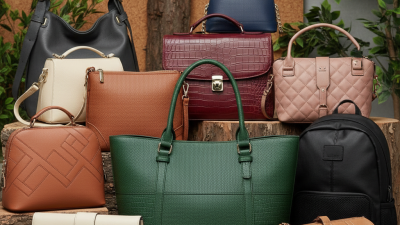
Designer Faux Leather Bags at the 2026 China Import Expo?
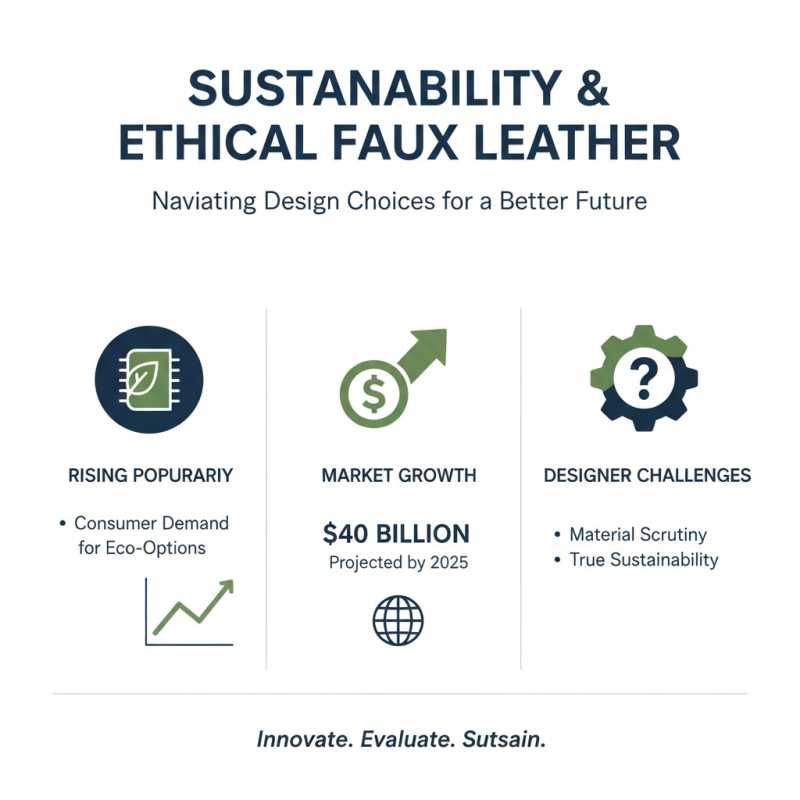
The Designer Faux Leather Bags market is experiencing significant growth amid rising consumer demand for sustainable and stylish options. According to a recent report by Market Research Future, the faux leather segment is projected to reach $30 billion globally by 2027, driven by consumer preference for cruelty-free materials. Industry expert Laura Thompson states, "Designer Faux Leather Bags combine luxury with ethical responsibility, appealing to today's conscious shoppers."
As we approach the 2026 China Import Expo, the focus on innovation will be pivotal. The event's integration of AI technology allows buyers to navigate vast exhibition spaces effectively. Reports indicate that the expo will showcase over 155,000 square meters of exhibitions, presenting opportunities for brands to highlight their eco-friendly products. Nevertheless, challenges remain. The faux leather industry must address quality concerns and ensure that materials meet consumer expectations.
This expo is not just a platform for sales; it’s a chance for brands to engage in meaningful dialogue about sustainability. As Thompson adds, "It’s critical for brands to demonstrate that style does not compromise ethics." The future of Designer Faux Leather Bags hinges on the industry's ability to innovate and reflect consumer values.

Designer Faux Leather Bags: Overview and Market Trends
The market for designer faux leather bags is evolving rapidly. In 2025, the global faux leather market reached approximately $38 billion, with expectations of further growth. Eco-conscious consumers drive this trend, preferring sustainable options. These bags offer a stylish alternative, combining fashion with ethical considerations.
However, challenges arise. Many faux materials can vary significantly in quality. Consumers often struggle to identify high-quality faux leather versus cheaper options. This inconsistency can lead to disappointment and affect brand loyalty. Reports indicate that nearly 30% of consumers notice quality discrepancies in faux leather products.
Designers are increasingly focused on innovation. New technologies are emerging to create more durable and sustainable materials. In the next few years, brands may harness recycled plastics and plant-based materials. This shift aligns with the growing trend towards environmentally friendly fashion. Brands must remain transparent about their sourcing and production practices to build trust with consumers.
Designer Faux Leather Bags: Overview and Market Trends
| Category |
Materials Used |
Price Range (USD) |
Market Growth Rate (%) |
Consumer Demographic |
| Totes |
PU Leather, Recycled Materials |
50 - 150 |
8% |
Millennials, Eco-conscious Consumers |
| Crossbody Bags |
PVC Coated Fabric, Faux Suede |
30 - 120 |
10% |
Young Professionals, Students |
| Clutch Bags |
Vegan Leather, Eco-friendly Dyes |
20 - 80 |
12% |
Fashion Enthusiasts, Event Goers |
| Backpacks |
Faux Leather, Recycled Nylon |
40 - 200 |
9% |
Outdoor Enthusiasts, College Students |
Key Features of Designer Faux Leather Bags at the Expo
The 2026 China Import Expo showcases the latest trends in designer faux leather bags. These bags emphasize sustainability and style. According to a recent market report by ResearchAndMarkets, the faux leather industry is expected to grow by 12% annually through 2027. Consumers increasingly prefer eco-friendly alternatives to traditional leather, pushing innovation in design and materials.
At the expo, expect to see a range of textures and colors. Matte finishes and bold patterns are popular. The bags are not just functional; they are fashion statements. Additionally, many designs incorporate recycled materials, aligning with global sustainability goals. The use of high-quality components can enhance durability, making these bags both stylish and practical.
Tip: Look for bags with a warranty. It can offer peace of mind regarding quality.
While many designs will attract attention, some may feel repetitive. The challenge for designers is to balance creativity with market trends. Unique offerings can set a brand apart. However, defining originality in a fast-paced market can be tough. Emphasizing eco-friendliness does not come without its own complexities.
Tip: Keep an eye out for emerging trends post-expo. They may reshape the market landscape.
Popular Brands Showcasing Faux Leather Bags in 2026
The 2026 China Import Expo presents an exciting opportunity for brands to showcase their faux leather bags. With a growing consumer demand for sustainable products, the faux leather market is on the rise. According to industry reports, the global faux leather market is expected to reach $30 billion by 2027. This trend reflects a shift in consumer preferences towards eco-friendly materials.
During the expo, various popular brands will highlight their innovative designs. Shoppers are increasingly looking for stylish yet cruelty-free options. Faux leather offers versatility and a wide range of styles. Many consumers choose these bags for both fashion and ethical reasons. Plus, faux leather products tend to be more affordable.
Tips: Look for bags that use recycled materials. Carefully examine the sustainability practices of brands. This adds value and ensures you make conscious choices. The growing faux leather market also raises questions. Are consumers sacrificing quality for sustainability? Reflecting on these choices can lead to smarter buying decisions. Stylish, eco-friendly options are plentiful, but not all products are created equal.
Consumer Preferences and Buying Patterns at the Expo
At the 2026 China Import Expo, designer faux leather bags are poised to capture attention. These bags cater to eco-conscious consumers, blending style with sustainability. Shoppers increasingly prefer cruelty-free materials, reflecting a growing awareness of environmental issues. Many explore innovative designs, seeking unique styles that stand out.
Consumer preferences are shifting. Prominent features include durability and versatility. Attendees at the expo often prioritize functionality. They appreciate bags suitable for various occasions, from casual outings to professional settings. Color trends also play a significant role. Earthy tones and bold colors attract different audiences. However, not all products received positive feedback.
Some visitors express concerns over the material's long-term performance. There is a desire for improved quality and longevity in faux leather options. Buyers wonder if these bags can compete with genuine leather. This skepticism highlights the need for brands to address durability issues. As preference for faux leather rises, brands must reflect on consumer feedback to enhance their offerings.