Top China Shoulder Cloth Bag Suppliers and Trends in 2026?
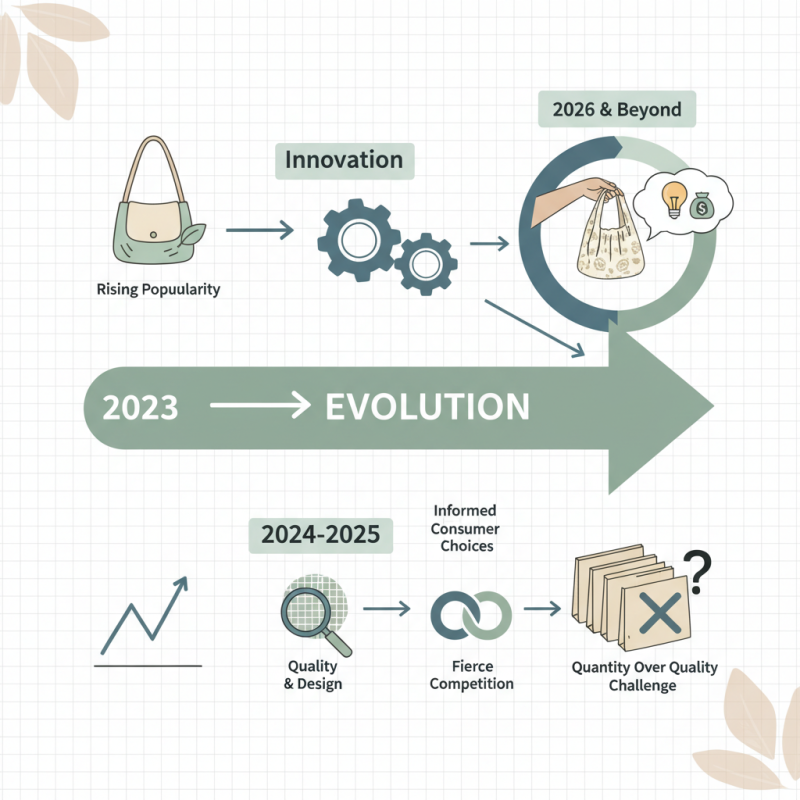
The shoulder cloth bag has gained significant popularity in recent years. As sustainability concerns rise, many consumers seek eco-friendly alternatives. This trend opens opportunities for suppliers in China who specialize in these bags.
By 2026, the market for shoulder cloth bags is expected to evolve further. Consumer preferences are constantly shifting, requiring suppliers to innovate continuously. The competition remains fierce among leading manufacturers and emerging brands. Understanding these dynamics is crucial for staying relevant in today's market.
Quality and design trends play a pivotal role in consumer choices. Suppliers must focus on durable materials and appealing aesthetics. However, not all suppliers meet these expectations. Some prioritize quantity over quality. Reflecting on these challenges can guide consumers toward better choices in their purchasing decisions.
Overview of the Shoulder Cloth Bag Market in China for 2026
The shoulder cloth bag market in China is poised for significant growth by 2026. A recent report suggests that the market is expected to expand at a compound annual growth rate (CAGR) of around 9% from 2023 to 2026. This surge is driven by the increasing shift towards sustainable products. Consumers show a growing preference for eco-friendly options over single-use plastic bags.
Recent data highlights that in 2025, more than 50% of consumers are likely to choose reusable bags. The versatility and practicality of cloth bags appeal to various demographics. Key factors supporting this trend include rising environmental awareness and government regulations targeting plastic reduction. However, challenges remain. Quality inconsistency and price sensitivity in certain consumer segments could hinder growth.
Innovations are underway. Manufacturers are exploring new materials and designs. Sustainability is at the forefront of these innovations. Still, brands must navigate the balance between quality and affordability. The market is competitive, and consumer preferences continually evolve. Adapting to these changes will be crucial for suppliers in the coming years.
Key Suppliers Dominating the Chinese Shoulder Cloth Bag Industry
The Chinese shoulder cloth bag industry is rapidly evolving, with several key suppliers leading the market. According to industry analysts, the market size reached approximately $2 billion in 2022, with an expected annual growth rate (CAGR) of 12% through 2026. The demand for eco-friendly, reusable bags is a key driver for this growth.
Several suppliers dominate the landscape, focusing on innovative designs and sustainable materials. Reports indicate that 68% of consumers prefer bags made from organic cotton or recycled materials. These suppliers are investing in technology to enhance production efficiency and reduce environmental impact. A notable trend is the shift towards customizable options, appealing to both individual consumers and businesses.
However, challenges remain. Supply chain disruptions have affected raw material availability, pushing some suppliers to reassess their logistics strategies. Additionally, fluctuations in consumer preferences pose a risk. While the market is promising, players must adapt continuously to maintain their competitive edge and meet changing demands.
Emerging Trends in Design and Materials for 2026 Shoulder Bags
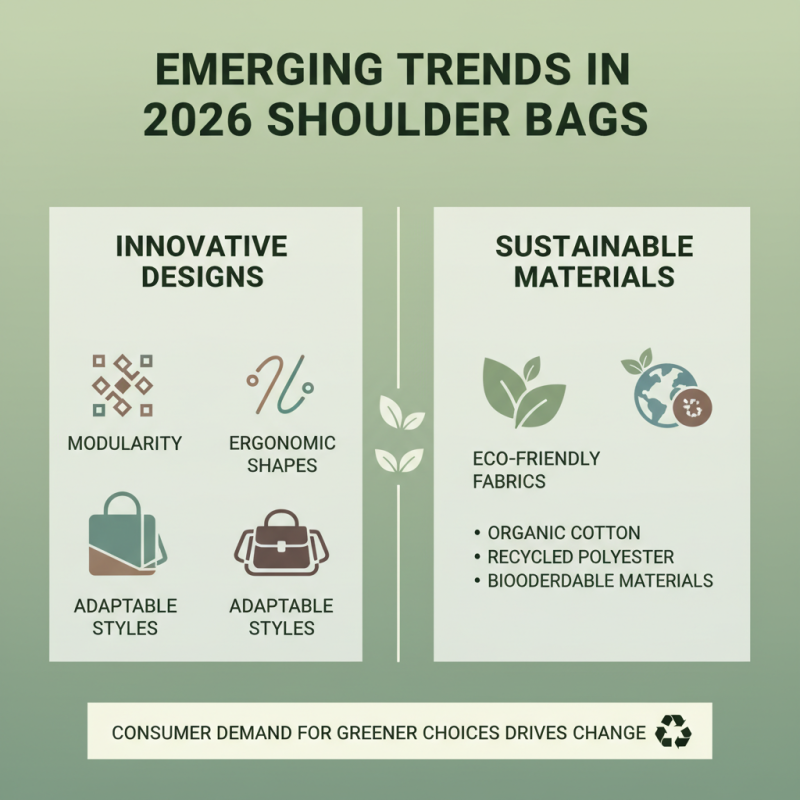
In 2026, shoulder bags will reflect innovative designs and sustainable materials. Eco-friendly fabrics are gaining popularity as consumers demand greener choices. Organic cotton, recycled polyester, and biodegradable materials will shape the future of shoulder bags. This shift meets the environmental concerns many shoppers express today.
Consumer preferences will also lean towards multifunctional designs. Bags that can transition from daytime to evening wear will be essential. Versatile styles with adjustable straps or removable components will appeal to busy lifestyles. This flexibility allows for improved usability without sacrificing aesthetic appeal.
Colors and textures will embrace a blend of bold and minimalist designs. Earthy tones will remain popular, complemented by vibrant accents. However, there may be challenges in sourcing unique, sustainable materials. Achieving not just style but also durability will prompt designers to rethink traditional approaches. Balancing innovation with practicality will require ongoing reflection and adaptation in the industry.
Consumer Preferences Shaping the Future of Shoulder Cloth Bags
As consumer preferences evolve, shoulder cloth bags are becoming more popular. Many people now prioritize eco-friendliness. This shift is a response to concerns about plastic waste. Consumers seek bags that not only look stylish but also minimize environmental impact.
Trends show a growing interest in customization. Shoppers want unique designs that reflect their personality. This demand encourages suppliers to offer more choices. Colors, patterns, and even personalized logos are increasingly important. The market is responding with diverse materials. Some bags are made from recycled fabrics, enhancing their appeal.
The desire for functionality remains strong. Many consumers look for bags that are durable and spacious. They want versatile options for everyday use. However, finding the right balance between style and practicality can be challenging. Trends suggest that suppliers should focus on quality craftsmanship while keeping up with consumer tastes. This ongoing dialogue between consumers and suppliers shapes the future of shoulder cloth bags.
Trends in Consumer Preferences for Shoulder Cloth Bags (2026)
Sustainability and Eco-Friendly Practices Among Top Chinese Suppliers
Sustainability is becoming a key focus in the production of shoulder cloth bags. According to recent industry reports, over 70% of consumers prefer eco-friendly products. This shift is driving Chinese suppliers to adopt sustainable materials like organic cotton and recycled fabrics. By 2026, it's projected that 50% of shoulder bag manufacturers in China will prioritize eco-friendly practices in their production processes.
As competition increases, suppliers are honing their practices. Many are now using water-based inks and non-toxic dyes. This attention to detail not only improves product safety but also enhances brand appeal. Data shows that sustainably produced bags can increase customer loyalty by 30%. However, challenges remain. Some suppliers struggle with higher costs associated with sustainable materials. This raises questions about balancing cost and eco-friendliness.
Moreover, certifications like GOTS and OEKO-TEX are increasingly required. These give consumers confidence about sustainability claims. However, not all suppliers meet these standards. Engaging in transparent practices is crucial for overcoming this hurdle. The industry must reflect on how to improve sustainability without compromising quality or affordability. As trends evolve, the focus on sustainability will shape the future of the cloth bag market in China.
Top China Shoulder Cloth Bag Suppliers and Trends in 2026
| Supplier Type |
Eco-Friendly Material |
Sustainability Certification |
Annual Production Capacity (Units) |
Export Regions |
| Manufacturer |
Organic Cotton |
GOTS, OEKO-TEX |
500,000 |
North America, Europe |
| Wholesaler |
Recycled Polyester |
ISO 14001 |
1,000,000 |
Asia, Europe |
| Retailer |
Hemp |
B Corp Certified |
300,000 |
Australia, North America |
| Distributor |
Bio-based Materials |
Carbon Neutral Certified |
750,000 |
Europe, Middle East |