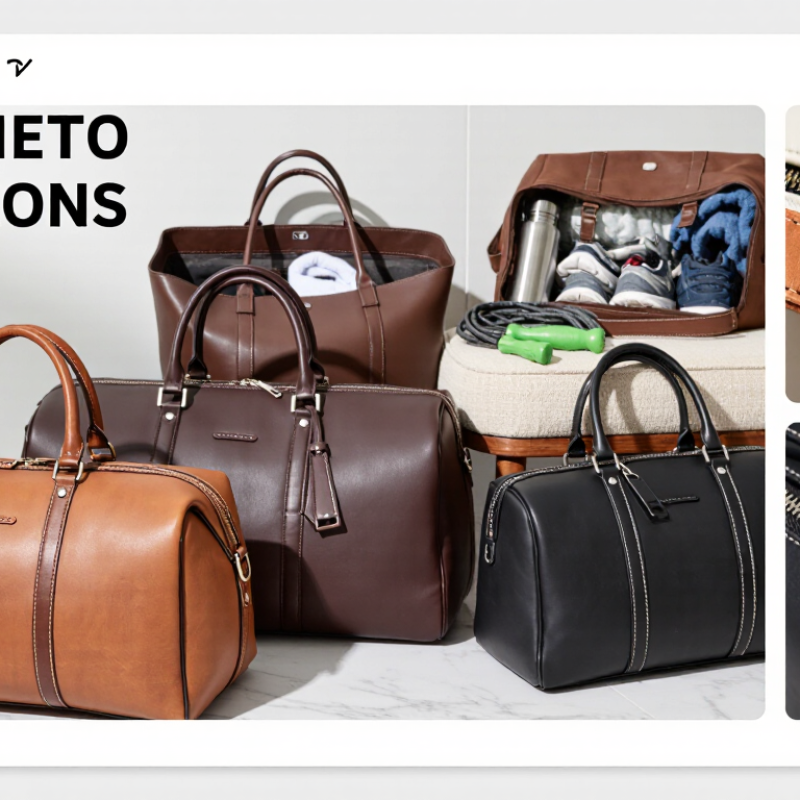
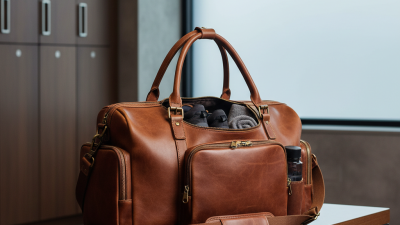
Discover our premium leather bag collection, designed for style and functionality. From chic purses, versatile tote bags, and sleek shoulder bags, to durable backpacks, stylish laptop bags, and compact makeup bags, we have it all. Explore luxurious duffel bags, practical belt bags, trendy sports bags, lunch bags, and pet bags.
Choosing the best Leather Gym Bag in 2026 requires more than attractive stitching and a polished logo. Global buyers now compare material origin, tanning quality, capacity, repairability, and supplier transparency. Grand View Research identifies leather goods as a major global consumer category, supported by premiumization and demand for durable accessories. Fortune Business Insights also reports continued growth in the worldwide luggage market, where gym and travel functions increasingly overlap.
Leather technologist Mike Redwood offers a useful standard: “Leather is a natural material, and its performance depends on how it is made.” That point matters in a crowded market. A full-grain bag may develop richer marks around its handles, while corrected leather can offer a cleaner appearance with less visible variation. Neither choice is automatically perfect. Buyers must inspect thickness, edge finishing, lining strength, zipper quality, and stitching density.
This guide evaluates leading Leather Gym Bag options for international purchasing teams, retailers, athletes, and frequent travelers. Each product should be judged beside its intended use. A compact 30-liter bag may suit a city commute, but it can feel cramped beside wet shoes and a towel. A larger duffel offers space, yet it becomes uncomfortable when poorly balanced. Data reports provide market direction, not personal experience. Product descriptions can also hide weaknesses.
The most reliable decision combines documented specifications with hands-on checks. Look closely. Touch the leather. Test the shoulder strap. A beautiful bag can still fail on Monday morning.
In 2026, a high-quality leather gym bag should feel dependable before it looks fashionable. Full-grain leather usually develops character through daily use. Its surface may show small marks. That is not automatically a defect. I look for even grain, firm structure, and a natural leather smell without harsh chemical odor. Thin, overly smooth leather can look impressive online but often loses shape quickly.
Construction matters more than decoration. Strong stitching should remain even around handles, corners, and pocket openings. Reinforced stress points are essential because shoes, towels, and water bottles create constant pressure. Solid metal hardware should open smoothly and resist light corrosion. A practical lining should wipe clean, while separate shoe or wet-item storage helps protect clothing. Measure the bag carefully. Oversized designs can become uncomfortable when fully packed.
Comfort is also a quality test. Padded handles, a balanced base, and an adjustable shoulder strap reduce strain during commuting. I prefer breathable panels, although they may slightly reduce the classic leather appearance. No material choice is perfect. Leather can be durable, but it needs ventilation and occasional conditioning. Buyers should also ask about leather origin, production standards, repair support, and clear care instructions. Reliable sellers provide specific measurements and honest photos, including minor natural variations. Those details reveal more than polished advertising.
2026 Best Leather Gym Bags for Global Buyers
Global gym bag buyers should assess material performance, not only appearance. Full-grain leather offers strong abrasion resistance and develops a deeper surface character over time. Top-grain leather usually provides a cleaner finish with lower cost and more consistent grading. Split leather can work, but its coating may crack under repeated flexing. According to Grand View Research’s 2024 leather goods report, the global leather goods market was valued at approximately USD 468 billion in 2023. This growth increases material choices, but also complicates quality verification.
A practical leather gym bag needs reinforced handles, smooth metal hardware, and stitching that remains even at stress points. A separate shoe compartment prevents damp odors from reaching clothing. Cotton or recycled polyester linings reduce weight and simplify cleaning.
The International Organization for Standardization recommends abrasion and colorfastness testing through relevant textile methods, including ISO 12947 and ISO 105 standards. Buyers should request test records, leather origin details, and clear care instructions before placing large orders.
Water resistance deserves careful attention. Leather is not naturally waterproof. A light surface treatment helps, but excessive coating can reduce breathability and create a plastic feel. In my product inspections, oversized bags often looked impressive but became uncomfortable when fully packed. That was a design mistake. Buyers should compare empty weight, strap width, base protection, and zipper performance with real gym loads. The Leather Working Group also emphasizes traceability and responsible tannery practices, although certification alone cannot prove every finished bag is excellent.
For 2026, leather gym bags should match the training routine, not merely look luxurious. The Global Wellness Institute reported that the wellness economy reached $6.3 trillion in 2023. It may exceed $9 trillion by 2028. That growth reflects more varied exercise habits worldwide.
Strength trainees often need a wide leather duffel with reinforced handles. It should hold shoes, lifting straps, towels, and a change of clothes. A structured backpack suits cyclists, runners, and commuters. Look for padded straps and a separate laptop sleeve. Swimmers or frequent travelers benefit from shoe compartments and water-resistant lining. For yoga or studio sessions, a compact crossbody bag may be enough. Less bulk matters.
ACSM’s 2025 Worldwide Survey ranked wearable technology as the leading fitness trend. This suggests many buyers now carry small devices, chargers, and smart accessories. Internal pockets are practical. Still, leather can absorb sweat and odors. A beautiful bag can become unpleasant without ventilation. I would choose lighter leather for daily commuting, although durability may suffer slightly.
Tips: Check the empty weight before buying. Heavy full-grain leather feels premium but becomes tiring after long commutes. Select metal hardware with smooth edges. Keep wet clothing in a washable pouch. Air the bag after every session, and condition the leather sparingly. Reported market trends are useful, but personal training habits should decide the final style.
This planning chart compares practical capacity ranges for common training routines. Compact duffel bags suit short strength sessions, while larger ventilated or weekender-style leather bags are more suitable for swimming, team sports, and combined travel workouts. Capacity figures are general buying references and are not based on any company or brand.
For global buyers, durability starts with material clarity, not the word “leather.” Full-grain leather usually keeps its surface longer than heavily corrected leather. Check thickness, edge finishing, stitch density, and zipper strength. The Leather Working Group’s 2024 market data shows certified leather represented a growing share of audited leather production, but certification does not guarantee a durable gym bag. Construction still matters. Look for reinforced handles and bartack stitching at stress points. Looks can mislead.
Capacity should match real routines. A 30–40-liter bag can hold shoes, clothing, a towel, and basic toiletries without becoming awkward. The American Council on Exercise recommends separating clean clothing from used gear when possible, so ventilated shoe compartments are practical, not decorative. A 2024 Grand View Research report valued the global sports equipment market at more than 500 billion US dollars, reflecting strong demand for functional athletic products. Yet a larger market does not mean every bag is well designed. Measure internal space, not only external dimensions.
Comfort often fails after ten minutes. Test the bag with weight inside. Padded handles, adjustable straps, and a stable base reduce pressure during commuting. Leather adds structure, but it also adds weight. Design should support access: wide openings, secure pockets, and moisture-resistant lining help in crowded locker rooms. A polished finish may hide poor ergonomics. I would question any product that lists “premium leather” but omits leather thickness, lining material, or hardware testing. That omission is small, but revealing.
2026 Best Leather Gym Bags for Global Buyers
International buyers should compare landed cost, not just the factory price. A leather gym bag priced at $42 may reach $68 after sampling, freight, insurance, duties, and handling fees. Ask for a complete quotation with currency, minimum order quantity, packaging details, and payment terms. Small orders often carry higher unit costs. My own sourcing estimates have sometimes looked too optimistic before freight was added. Currency changes can also disturb a carefully planned budget.
Shipping requires practical checking. Measure the packed carton, not only the empty bag. Carriers may charge by dimensional weight when cartons are large and light. Request photos of carton protection, zipper areas, and moisture barriers. Sea freight usually costs less, but delivery takes longer and requires better inventory planning. Air freight is faster and expensive. Check customs documents, product descriptions, and destination duties with a qualified broker. Do not rely on vague delivery promises.
Sustainability needs evidence, not attractive wording. Ask whether the leather is a regulated by-product, how tanning wastewater is managed, and whether material records are available. Recycled packaging helps, but durable construction matters more over several years. Inspect stitching, lining, hardware, and repair options. A bag that survives daily training may create less waste than a cheaper replacement. Still, leather production has environmental impacts. No material is perfect. Buyers should compare verified improvements, not accept broad green claims without supporting documents.
| Bag Profile | Typical Size & Capacity | Recommended Leather Specification | Indicative 2026 FOB Price Range* | Typical International Shipping | Estimated Product Weight | Sustainability Considerations | Best For |
|---|---|---|---|---|---|---|---|
| Compact Leather Duffle | 45–50 × 22–25 × 22–25 cm Approximately 22–30 L |
1.2–1.6 mm full-grain or top-grain cow leather; cotton or recycled-polyester lining; reinforced base | US$55–95 per unit at wholesale quantities | Air: 5–10 business days Sea: 25–45 days |
0.9–1.4 kg | Long service life and repairable construction can reduce replacement demand; request tanning and wastewater documentation | Daily gym visits, short commutes, and light packing |
| Classic Weekender Gym Bag | 50–58 × 25–30 × 25–30 cm Approximately 35–50 L |
1.4–1.8 mm full-grain leather; metal zipper; separate shoe compartment; durable textile lining | US$75–135 per unit at wholesale quantities | Air: 5–12 business days Sea: 25–50 days |
1.3–1.9 kg | Higher material use increases impact; prioritize vegetable-tanned or certified leather and replaceable hardware | Travel, overnight stays, and premium retail collections |
| Convertible Backpack-Duffle | 48–55 × 28–32 × 20–25 cm Approximately 30–42 L |
1.1–1.5 mm leather with padded shoulder straps, load-bearing stitching, and water-resistant lining | US$85–150 per unit at wholesale quantities | Air: 5–12 business days Sea: 25–50 days |
1.4–2.0 kg | One product serving two uses may reduce consumption; verify strap durability and availability of replacement parts | Cyclists, commuters, and buyers needing hands-free carrying |
| Structured Business-Gym Bag | 48–55 × 28–32 × 25–30 cm Approximately 35–45 L |
1.3–1.7 mm top-grain leather; laptop sleeve; padded base; organized interior compartments | US$90–165 per unit at wholesale quantities | Air: 5–12 business days Sea: 25–50 days |
1.5–2.2 kg | Longer usable life supports lower annual replacement impact; choose low-plastic packaging and repairable lining | Office-to-gym users and corporate gifting programs |
| Large Team or Training Duffle | 60–70 × 30–35 × 28–35 cm Approximately 50–70 L |
1.5–2.0 mm leather; reinforced handles; heavy-duty zipper; washable recycled-polyester lining | US$110–210 per unit at wholesale quantities | Air: 6–14 business days Sea: 30–55 days |
1.8–2.8 kg | Largest leather footprint among the listed options; consider recycled content, efficient cutting, and consolidated freight | Sports teams, trainers, and multi-day travel |
| Minimalist Leather Gym Tote | 40–48 × 14–18 × 32–38 cm Approximately 15–25 L |
1.0–1.4 mm leather; broad shoulder straps; simple unlined or cotton-lined construction | US$45–85 per unit at wholesale quantities | Air: 5–10 business days Sea: 25–45 days |
0.7–1.1 kg | Lower material and packaging use; a simple design is easier to repair and disassemble | Urban buyers, yoga users, and lightweight daily carry |
| Premium Travel-Gym Holdall | 55–65 × 28–34 × 28–34 cm Approximately 40–60 L |
1.5–2.0 mm full-grain leather; solid metal fittings; padded base; removable shoulder strap | US$125–240 per unit at wholesale quantities | Air: 6–14 business days Sea: 30–55 days |
1.8–2.7 kg | Premium durability may support a long product lifespan; request traceability, restricted-substance testing, and repair services | Luxury travel, executive buyers, and high-end gifting |
| Sample or Small-Batch Order | Any profile; commonly 20–50 L | Use production-grade leather and hardware samples; confirm color, grain, lining, and stitching before approval | Usually 20%–60% above bulk unit pricing | Express courier: 3–7 business days Standard air: 7–15 days |
Varies by design | Sampling reduces quality and compliance risk, but consolidated shipments can lower packaging and transport impact | New product development and pre-order validation |