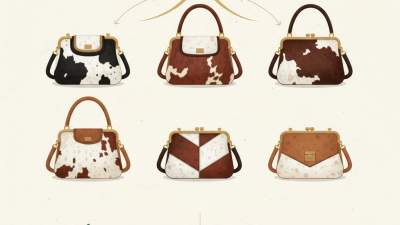
Discover our premium leather bag collection, designed for style and functionality. From chic purses, versatile tote bags, and sleek shoulder bags, to durable backpacks, stylish laptop bags, and compact makeup bags, we have it all. Explore luxurious duffel bags, practical belt bags, trendy sports bags, lunch bags, and pet bags.
An Ackmie Custom Leather Pet Bag is a tailored carrier designed for short journeys, daily errands, and stylish pet transport. It combines measured dimensions, leather craftsmanship, secure closures, and practical interior structure. The goal is not decoration alone. A useful bag should support your pet’s posture, provide ventilation, and remain comfortable for the person carrying it.
Demand for pet-focused products continues to grow. The American Pet Products Association reported that 66% of U.S. households owned a pet in its 2023–2024 National Pet Owners Survey. The association also reported $147 billion in U.S. pet industry expenditures during 2023. These figures show a larger shift toward considered pet purchases, including products that reflect individual routines and animal needs. They do not prove that every luxury carrier is worthwhile. That distinction matters.
A custom design may allow adjustments for size, handle length, pocket placement, lining, and identification details. Soft lining can reduce rubbing around the chest and paws. Reinforced seams may improve durability during repeated use. However, leather can become heavy, warm, or difficult to clean without careful construction. A polished appearance is not enough. The International Air Transport Association publishes animal transportation guidance, but airline requirements still vary by route and carrier. Owners must check current rules before traveling.
In practical terms, the Ackmie Custom Leather Pet Bag should be judged by fit, airflow, stability, material quality, and maintenance. It may become a trusted everyday companion. It may also disappoint if customization ignores the pet’s behavior. Good design listens to both the owner and the animal. That is the part worth examining closely.
An Ackmie custom leather pet bag is a tailored carrier designed for controlled, short-distance pet transport. “Custom” may refer to dimensions, color, strap length, lining, pockets, or ventilation placement. Its purpose is practical: keeping a small pet close while reducing the need to carry a separate leash, bowl, or waste-bag holder. The American Pet Products Association’s 2023–2024 National Pet Owners Survey reports that 66% of U.S. households, about 86.9 million homes, own a pet. That large user base helps explain demand for portable, human-centered pet equipment. Still, ownership does not guarantee that every pet will tolerate a bag.
A suitable design should distribute weight across the shoulder, support the animal’s chest, and prevent escape through secure closures. Breathable panels matter, especially during warm walks. A soft, wipeable lining protects leather from moisture, although leather needs regular conditioning and careful drying. That maintenance is easy to underestimate. Grand View Research’s Pet Accessories Market analysis projects roughly 6% annual growth through 2030, reflecting stronger interest in convenience and mobility. However, market growth does not prove safety or comfort. A polished bag can still have poor airflow, weak stitching, or an awkward base. Owners should measure the pet while standing, check the carrier’s load rating, and confirm current transport rules before traveling. This bag is not automatically suitable for long journeys, large animals, or pets showing breathing stress.
A custom leather pet bag is a carrier designed around a pet’s size, comfort, and travel needs. The chart illustrates a practical sizing guideline: the recommended internal bag length is approximately 10 cm longer than the pet’s body length, allowing room to sit, lie down, and adjust position. Actual requirements may vary by pet shape, airline rules, and bag design.
A custom leather pet bag is a made-to-order carrier designed around a pet’s size, weight, and travel habits. Its material choices matter more than decoration. Full-grain leather offers strong fibers and develops a natural patina. Vegetable-tanned leather can provide a firmer structure, but it may darken with moisture and sunlight. A soft cotton or microfiber lining helps reduce friction against fur and skin. Reinforced stitching, rust-resistant hardware, and a stable base improve everyday reliability.
The American Pet Products Association reported that U.S. pet industry spending reached approximately $152 billion in 2024. That growth reflects stronger demand for durable, lifestyle-focused pet products. Still, a premium appearance does not prove safe construction. A useful bag should include breathable panels, secure closures, padded handles, and enough internal space for natural movement. Weight matters too. A heavy leather shell can become uncomfortable during longer walks.
Customization may include dimensions, strap length, lining color, pockets, ventilation placement, and discreet identification details. I would avoid excessive metal decorations. They can add weight and create pressure points. The Global Leather Goods Market report by Grand View Research identifies durability and premium materials as major purchase factors, but consumer reports rarely measure pet comfort directly. That gap deserves attention. Before ordering, measure the pet’s back length and chest width, then check seam strength and cleaning instructions. Leather looks timeless. It is not maintenance-free.
A custom leather pet bag is more than a stylish carrier. Its value depends on how well it supports a pet’s comfort and safety during travel. In practice, a well-fitted bag should let the animal sit, turn, and adjust its position without pressure. Soft padding under the body helps reduce strain on the hips and chest. Ventilation panels also matter, especially during warm commutes or crowded indoor trips.
Safety begins with a stable structure. Reinforced seams, strong handles, and a secure interior tether can reduce the risk of sudden escape. The tether should attach to a harness, not a collar, to avoid unnecessary neck pressure. A broad shoulder strap may distribute weight more evenly. However, leather can feel heavy, and that detail is easy to overlook. Check the empty bag’s weight before adding food, water, or a blanket.
Comfort needs observation, not assumption. Watch for flattened ears, rapid breathing, repeated scratching, or reluctance to enter. These signs may suggest stress, heat, poor fit, or insufficient airflow. A short home trial can reveal problems before a longer journey. Leave the opening accessible, add a familiar cloth, and reward calm behavior. Some pets adapt quickly. Others need more time, and forcing the process can make future travel harder. Regularly inspect buckles, stitching, and ventilation areas for wear. A beautiful bag is not automatically a safe one.
A custom leather pet bag is designed around your pet’s body, habits, and daily routine. Size should never be chosen by weight alone. Measure your pet from the nose to the tail base, then measure standing height and chest width. Add several centimeters for natural movement, but avoid excessive space. A bag that is too tight restricts breathing. One that is too loose may let a nervous pet shift dangerously.
Look for a firm base, breathable panels, and wide openings that do not scrape the ears. Soft padding can protect joints during short trips. However, thick padding may reduce interior space. This detail is easy to miss. The shoulder strap should sit comfortably without cutting into your body. A top handle helps when lifting the bag from a car seat. Secure closures are essential, while an internal safety tether should attach to a harness rather than a collar.
Leather is durable, but it can feel heavy and warm. A lightweight design may suit a small dog, while a structured carrier may better support a larger cat. Consider washable lining, metal quality, and how easily the bag can be inspected. Let your pet explore it at home before traveling. I would not trust appearance alone. Even a beautiful bag can be unsuitable if your pet cannot turn, settle, or breathe comfortably. Check the fit again as your pet grows or its body condition changes.
A custom leather pet bag is more than a stylish carrier. It supports short trips, waiting rooms, and calm daily transport. The American Pet Products Association reported that 66% of U.S. households owned a pet in its 2023–2024 National Pet Owners Survey. That figure reflects a practical need for dependable pet equipment.
Care starts with routine inspection. Check the stitching, handles, closures, and base before every journey. Leather dislikes excess water, direct heat, and strong household cleaners. Wipe small marks with a soft, slightly damp cloth. Let the bag dry naturally. Apply a suitable leather conditioner occasionally, but test it on a hidden area first. I once used too much conditioner. The surface became greasy and attracted dust. Less is safer.
Everyday use also requires ventilation and correct sizing. The International Air Transport Association advises that animals should be able to stand, turn around, and lie naturally in an approved container. Airline rules can differ, so confirm requirements before traveling. Place a washable liner inside the bag. It protects the leather from fur, moisture, and accidental messes. Air the bag after each outing. Never store it while damp. Keep sharp toys and metal bowls outside; they can scratch the interior. A custom fit looks refined, yet it may still need adjustment as a pet grows. Recheck the space regularly.
| Area | Practical Guidance | Recommended Frequency | Why It Matters |
|---|---|---|---|
| Pet Fit | Choose a bag that allows the pet to sit, turn around, and lie down comfortably without excessive compression. | Before purchase and after growth | Adequate room supports comfort and reduces stress during transport. |
| Weight Capacity | Check the carrier’s stated weight limit and compare it with the pet’s current weight, not only its size. | Before every new use | Staying within the load limit helps protect the structure, seams, and carrying hardware. |
| Ventilation | Keep mesh panels and ventilation openings unobstructed. Do not cover them with blankets or personal items. | Every trip | Continuous airflow helps reduce heat and supports safe, comfortable travel. |
| Initial Inspection | Examine handles, shoulder straps, zippers, buckles, stitching, and attachment points before placing the pet inside. | Before each use | Early detection of wear can help prevent accidental opening or structural failure. |
| Surface Cleaning | Remove loose hair and dirt with a soft brush or dry cloth. For small marks, use a slightly damp cloth and mild soap. | After outdoor trips or as needed | Gentle cleaning removes surface soil without unnecessarily drying or abrading the leather. |
| Leather Conditioning | Apply a small amount of leather conditioner designed for the specific leather finish. Test it first on a hidden area. | Every few months or when the leather feels dry | Appropriate conditioning helps maintain suppleness and may reduce surface cracking. |
| Moisture Care | If the bag becomes wet, blot it with a clean towel and allow it to air-dry naturally at room temperature. Keep it away from radiators and hair dryers. | Whenever exposed to moisture | Rapid or direct heat can cause leather to stiffen, shrink, or develop uneven marks. |
| Stain Prevention | Keep ink, oily cosmetics, disinfectants, alcohol-based cleaners, and harsh detergents away from the leather surface. | Daily handling | These substances can permanently alter color, finish, or texture. |
| Interior Hygiene | Use a removable washable liner or absorbent pad when possible. Clean accidents promptly with a pet-safe cleaner suitable for the liner material. | After accidents; otherwise weekly | Prompt cleaning helps control odors, bacteria, and material staining. |
| Hardware Maintenance | Wipe metal fittings with a dry, soft cloth and check that clips, rings, and buckles close securely. | Monthly and before long journeys | Clean, secure hardware improves reliability and reduces the risk of strap detachment. |
| Storage | Store the empty bag in a cool, dry, ventilated place. Maintain its shape with clean, unprinted paper rather than compressing it under heavy items. | Whenever not in use | Proper storage helps prevent mildew, permanent creasing, and deformation. |
| Everyday Use | Introduce the bag gradually at home with treats or familiar bedding before using it for longer journeys. | Before the first trip | Positive, gradual familiarization can make travel less stressful for the pet. |
| Travel Safety | Secure the bag so it cannot slide or tip. Never leave a pet unattended in a closed carrier, especially in a parked vehicle. | Every journey | Stable positioning and temperature awareness are essential for safe transport. |
| Replacement Check | Replace the bag if the leather is badly cracked, the base no longer supports the pet, or a critical strap, zipper, or buckle is damaged. | When damage is observed | A visibly compromised carrier may no longer provide dependable containment or support. |