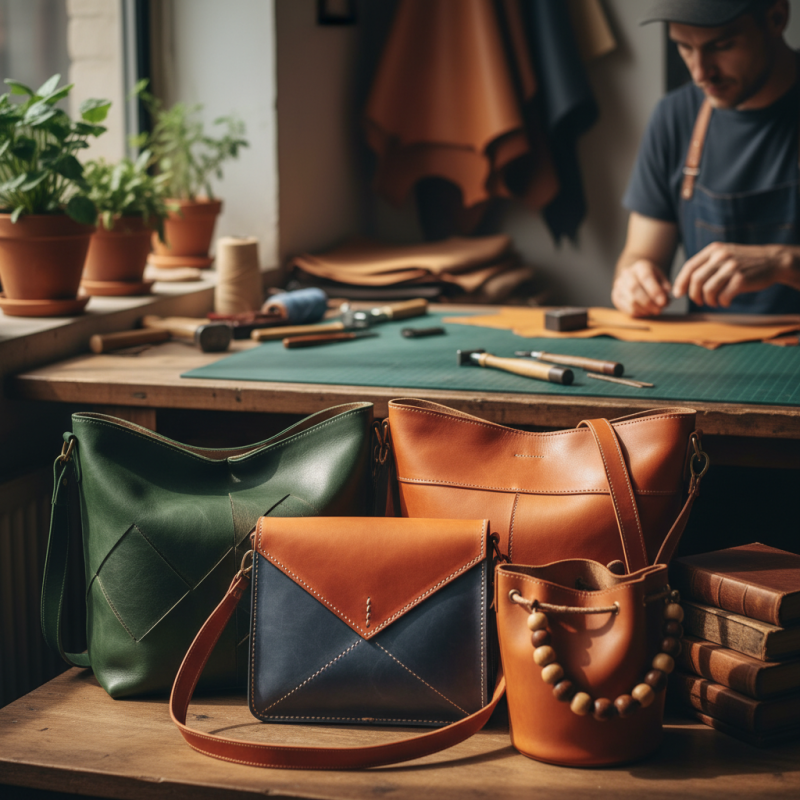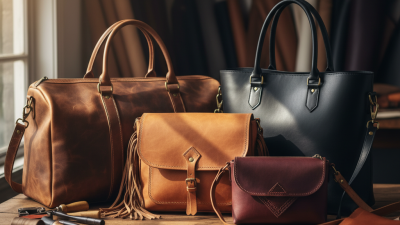
Discover our premium leather bag collection, designed for style and functionality. From chic purses, versatile tote bags, and sleek shoulder bags, to durable backpacks, stylish laptop bags, and compact makeup bags, we have it all. Explore luxurious duffel bags, practical belt bags, trendy sports bags, lunch bags, and pet bags.
As we move towards 2026, the landscape of fashion continues to evolve. The market for Hand Made Leather Bags is projected to grow significantly. According to recent reports, the global leather goods industry is estimated to reach $450 billion by 2025. This growth is fueled by a rising consumer preference for quality and sustainable products. Hand Made Leather Bags are at the forefront of this trend, appealing to those who appreciate craftsmanship.
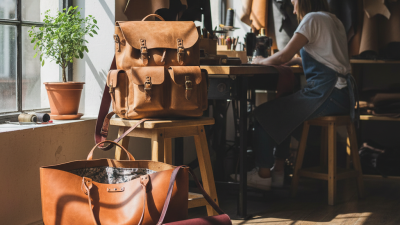
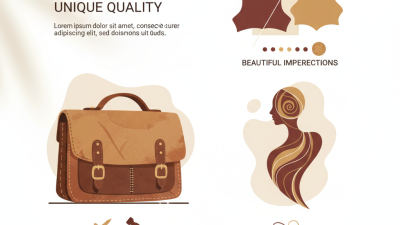
The uniqueness of these bags lies in their artisanal quality. Each piece tells a story, showcasing the maker's skill and creativity. However, while the allure of hand craftsmanship is undeniable, there are concerns about consistency and quality control. Many consumers are unsure about how to distinguish authentic products from mass-produced imitations. This uncertainty may lead to hesitance in purchasing, despite the bags' charm.
Moreover, trends indicate a demand for eco-friendly materials within the luxury sector. As buyers become more aware, they seek transparency and ethical sourcing. Hand Made Leather Bags can meet these expectations but must adapt to remain relevant. To thrive, artisans must reflect on their practices and innovate without compromising tradition.
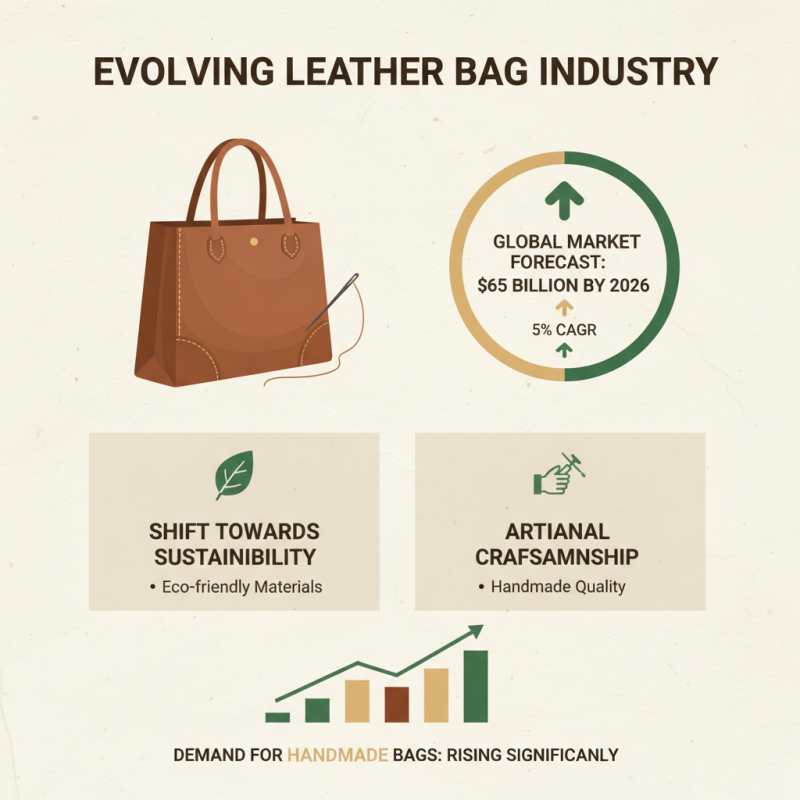
The leather bag industry is evolving. Data from various market research reports indicates that the demand for handmade leather bags is rising significantly. In fact, the global market for leather bags is expected to reach $65 billion by 2026, growing at a compound annual growth rate of 5%. This trend reflects a shift toward sustainability and artisanal craftsmanship.
In 2026, consumers are inclined toward unique, handcrafted items. Many appreciate the story behind each bag. They want a connection with the product. However, not all handmade bags meet quality expectations. Some may lack durability and proper finishing. This inconsistency can lead to customer dissatisfaction. It's crucial for artisans to maintain high standards.
In addition, colors and textures are paramount. Earthy tones are expected to dominate, alongside bold accents. Many buyers also favor tactile experiences. Soft, premium leather is in demand. Yet, not every seller can deliver this quality. The challenge lies in sourcing materials sustainably while achieving high craftsmanship. As the market grows, consumers need to be mindful of these variations in quality.
The landscape of handmade leather bags is evolving for 2026. Key materials are central to this evolution. Sustainable leather, sourced from eco-friendly tanneries, is gaining ground. This leather maintains quality while minimizing environmental impact. Expect rich textures and natural dyes that tell a story.
Another material to watch is vegetable-tanned leather. It offers durability and a unique patina over time. Each bag created with this leather will age beautifully, highlighting its unique character. People appreciate these small nuances that celebrate craftsmanship. Yet, there can be inconsistencies in color and texture. It’s part of their charm, but also requires careful selection.
Tips for selecting handmade leather bags: Look for transparency in sourcing. Check if the material is ethically sourced. Understand that imperfections may exist. Embrace them; they make each piece unique. Pay attention to the stitching; strong seams indicate quality. A well-made bag is worth the investment.
As we dive into 2026, the handmade leather bag landscape is thriving with innovative designs. Leather artisans are pushing boundaries by incorporating unique textures and colors. For example, expect to see bags featuring vibrant splashes of color against classic neutrals. This contrast creates a stunning visual appeal that catches the eye.
Sustainable practices remain at the forefront. Artisans focus on repurposing leather scraps to create new pieces, minimizing waste while maintaining quality. Bags with asymmetrical shapes and unexpected functionality are emerging. They challenge traditional notions of symmetry and practicality. This is a bold choice, and some designs may feel off-balance. Yet, this imperfection often enhances the bag's charm.
Texture plays a crucial role in creating an emotional connection. Rough-hewn finishes and smooth, polished surfaces are being combined. This blend introduces a tactile experience that goes beyond aesthetics. Each bag tells a story, reflecting the artisan's journey. Some designs might seem overly experimental, sparking a debate about what is considered true craftsmanship. These discussions are vital for evolving the handmade leather bag industry.
| Trend | Description | Key Features | Color Palette | Target Audience |
|---|---|---|---|---|
| Sustainable Materials | Emphasis on eco-friendly and recycled leathers that minimize environmental impact. | Organic dyes, natural leather, minimal waste production. | Earth tones, muted colors, monochromatic schemes. | Eco-conscious consumers, millennials, and Gen Z. |
| Vintage Aesthetics | Designs that reflect classic styles with a modern twist, evoking nostalgia. | Distressed finishes, classic shapes, decorative stitching. | Deep greens, rich browns, vintage reds. | Fashion enthusiasts, collectors, vintage lovers. |
| Functional Designs | Focus on practicality and multi-functionality in applications. | Convertible designs, multiple compartments, durable hardware. | Neutral tones, bold accents, mixed textures. | Professionals, travelers, everyday users. |
| Bold Prints and Patterns | Incorporation of unique prints and designs into leather bags. | Geometric patterns, florals, animal prints. | Bright, contrasting colors, playful shades. | Fashion-forward individuals, students, creatives. |
| Minimalist Designs | Simplistic and clean lines focusing on functionality. | Simple shapes, unembellished exteriors, versatility. | Monochrome, soft pastel shades, muted colors. | Minimalists, professionals, urban dwellers. |
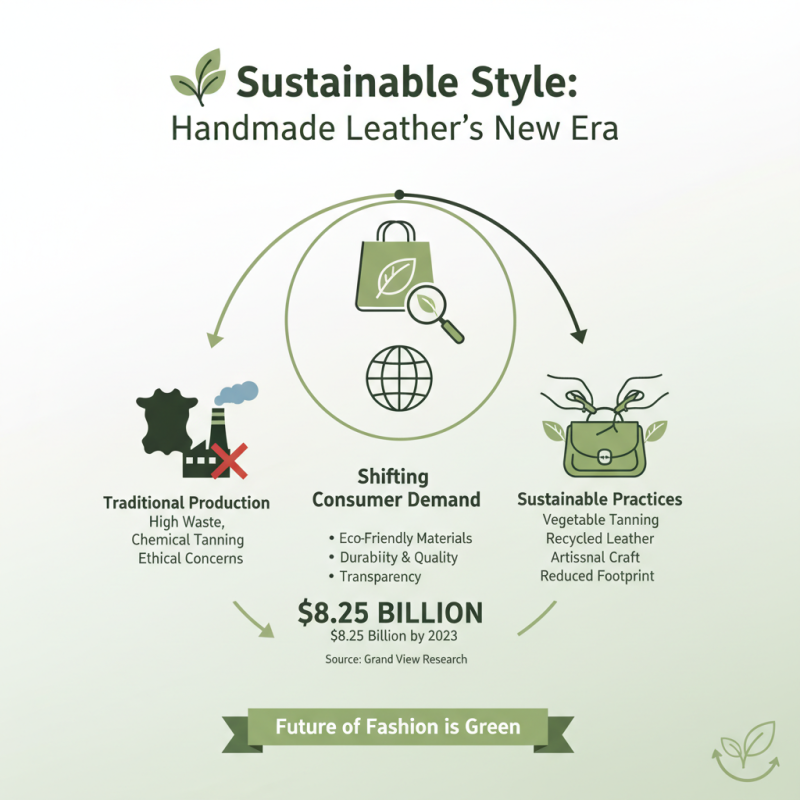
Sustainable practices are transforming the handmade leather bag industry. Many consumers now seek eco-friendly options. According to a report by Grand View Research, the global sustainable fashion market size is projected to reach $8.25 billion by 2023. This shift influences production methods significantly.
The focus is on ethical sourcing and reducing waste. Artisans are opting for vegetable-tanned leather. This method avoids harmful chemicals. It also enhances the bag's natural look. Additionally, some producers use recycled materials. This practice minimizes environmental impact while maintaining quality.
However, challenges remain. Sourcing sustainable materials can be costly. Not all craftsmen can afford these materials. Moreover, the demand for lower prices creates pressure. Balancing sustainability with affordability requires careful consideration. It's a journey that still needs improvement.
In 2026, handmade leather bags will embrace vibrant and earthy color palettes. Industry reports indicate that consumers are gravitating towards shades that reflect nature. Rich browns, deep greens, and terracotta are expected to dominate this year. These colors resonate with the eco-conscious audience, as more people seek sustainable fashion choices.
Tips for selecting a color: Consider your wardrobe. A versatile bag can enhance multiple outfits. Earth tones blend well with many styles. Experimenting with brighter colors like mustard or teal can create a statement piece. Each bag tells a story; let the color reflect your personality.
Data shows that over 60% of consumers prefer unique, handmade products. This trend encourages artisans to explore bold combinations. However, striking a balance between unique colors and practicality can be challenging. Too flashy may not work for everyone. Personal reflection is key; choose what resonates with you. A well-chosen bag can elevate your look while showing off your character.